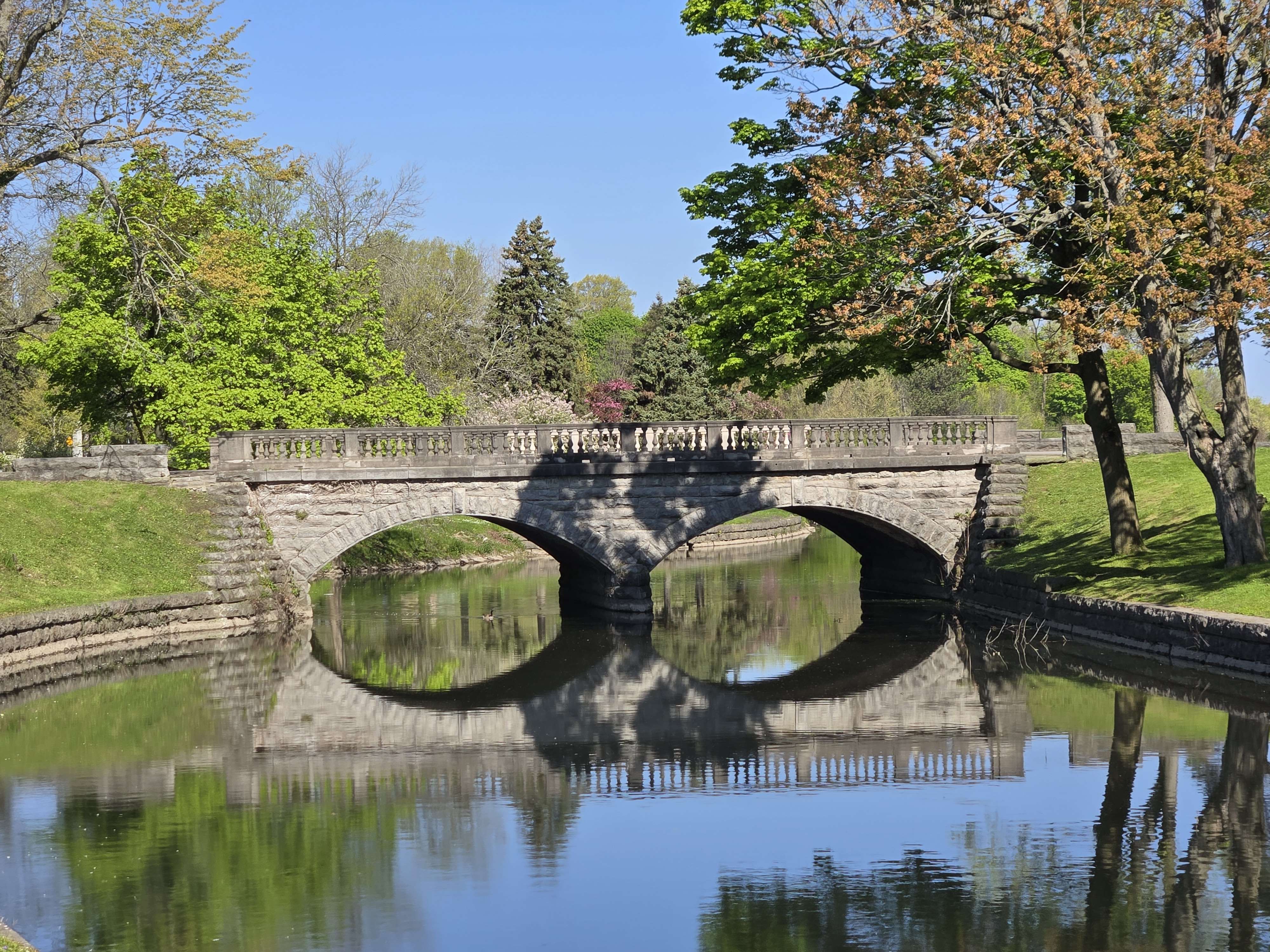
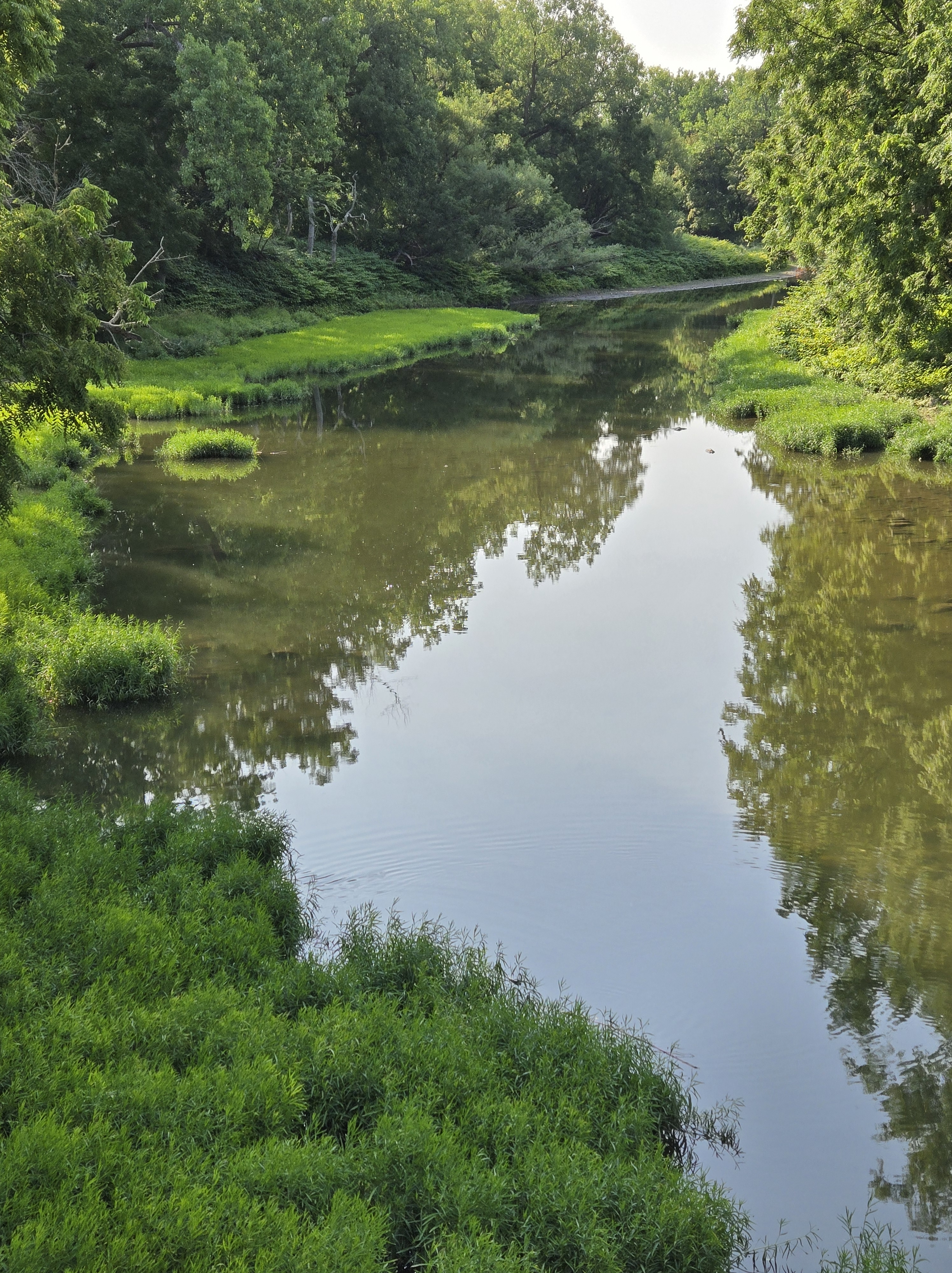
With Thanksgiving 2025 arriving tomorrow, and wintry weather in the forecast, my spirits need to re-experience the pleasures of summer and early fall.






With All Due Respect,
Art Giacalone
With Thanksgiving 2025 arriving tomorrow, and wintry weather in the forecast, my spirits need to re-experience the pleasures of summer and early fall.
With All Due Respect,
Art Giacalone
Highland Park – Rochester, New York’s Olmsted jewel – is in full bloom on Mother’s Day 2025 weekend.















With all due respect (and admiration),
Art Giacalone
SEQRA – New York State’s Environmental Quality Review Act – turns 50 on September 1st. It isn’t clear whether this milestone should be marked with a celebration or memorial service.
SEQRA’s goal when enacted a half century ago was to motivate government decision makers to consider environmental factors when undertaking or approving projects, activities, or new policies. As recognized by then-Governor Hugh Carey, state and local agencies were not sufficiently considering environmental factors when undertaking or approving various projects or activities. The 1975 statute’s remedy for that deficiency was the Environmental Impact Statement (EIS), a document meant to provide a systematic method for government agencies, project sponsors and the public to consider significant adverse environmental impacts, alternatives, and mitigation.
New York’s courts have long recognized that an EIS is the heart of the SEQRA process, and that the threshold for requiring preparation of an EIS is relatively low. But the need to expend substantial amounts of time and money to prepare an EIS has led developers and government agencies to treat SEQRA’s requirements as a nuisance to avoid.
A tangible measuring stick of the steady erosion in state and local agencies’ commitment to their duty to comply with the letter and spirit of SEQRA is a tally of the number of EISs annually prepared statewide. In 1989, 385 environmental impact statements were produced by local and state agencies. Just five years later, that number dropped by more than half to 167. In 2024, an EIS was required a paltry 27 times statewide despite more than 1,500 local municipalities and a host of state agencies and authorities obligated to comply with SEQRA’s mandates.
The city of Buffalo’s decisionmakers have proven as derelict in their approach to the preparation of EISs as their counterparts across the Empire State. In its 1994 “State of the Environment Report”, the Buffalo Environmental Management Commission frankly concedes that, “Due to a lack of procedural guidelines, and in some cases lack of commitment, the City of Buffalo does not always obey New York state law regarding mandated environmental review procedures. “ Three decades later, that lack of compliance and commitment to SEQRA continues as Western New York’s largest city once again failed to issue any EISs for the entirety of 2024. The only existing mechanism to challenge disregard of SEQRA is a judicial proceeding. Perhaps it is time to establish an official board to review SEQRA decisions and issue binding decisions. Such a step will take legislation in Albany and our governor’s approval.
I wasn’t planning to insert in this posting the link and image above – “The Dream/It’s Time” from jazz percussionist Max Roach’s “Chattahoochee Red” album. The number begins with Martin Luther King, Jr.’s “I have a dream” speech in which MLK yearns for a nation that joins together to create “a beautiful symphony of brotherhood.” It is an ironic phrase to hear on a day where my conflicted nation will witness Donald Trump’s return to the White House as its President.
Unplanned as it may be, I will begin and end this post with the Max Roach link. I am not feeling inspired enough today to contribute my own thoughts.
With All Due Respect,
Art Giacalone
For a variety of reasons – the most important one being the dispiriting experience of the Presidential election campaign – 2024 has not been a productive year for my postings at this site. But I thought I would spend a bit of time on the final evening of this calendar year sharing images taken in and around Ho Chi Minh City (a/k/a Saigon) during the first week of October.
Not having done appropriate research prior to my trip, I was rather surprised by the size and vitality of Ho Chi Minh City [HCMC]. It’s estimated population of 9.5 million exceeds New York City’s by a million-and-a-half, while the median age of its inhabitants is nearly nine years younger than NYC’s. And, in contrast to the Big Apple’s two percent annual decline, HCMC grew by 247,000 in 2024 – a number only ten percent smaller than the City of Buffalo’s current population.
But enough with statistics and demographics. Here are a variety of mages and messages that caught my attention.
This is Vietnam’s tallest building, the 81-story Landmark 81, adjacent to the Saigon River:

A nighttime image at “Times Square” HCMC:

A place to burn joss paper to send to those in the afterlife:

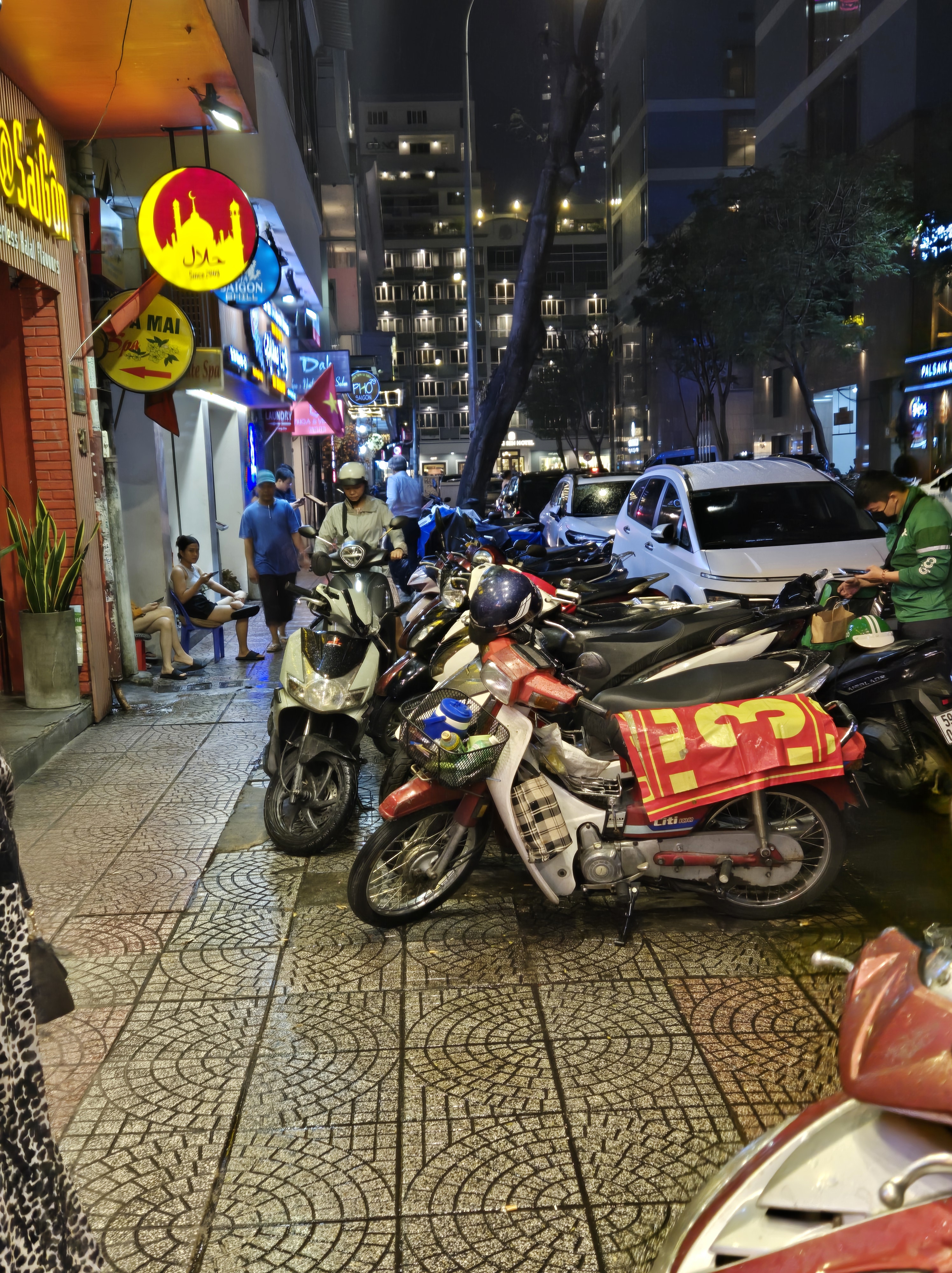
Motor bikes rule the streets and sidewalks:

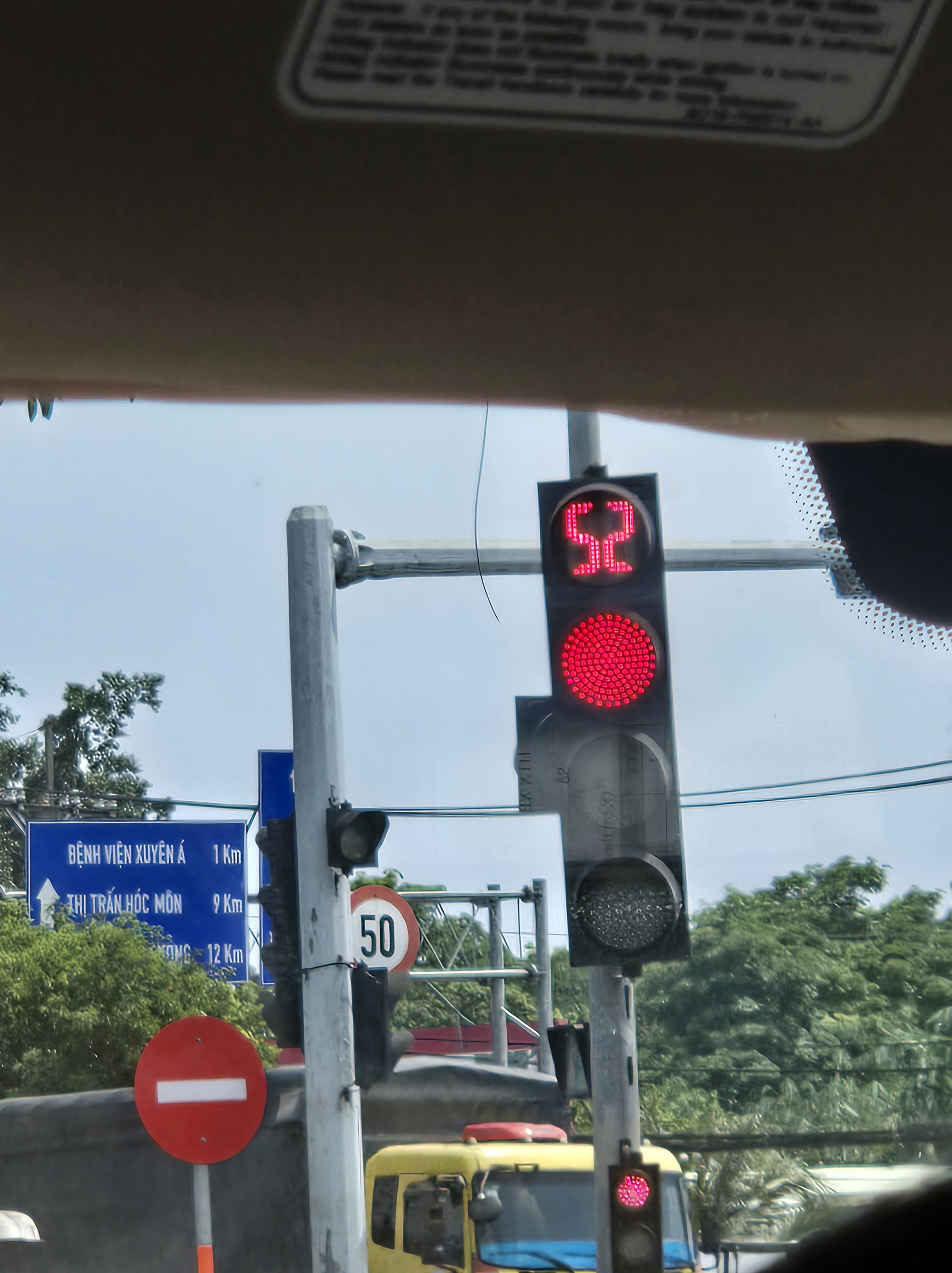
Motorists are assisted by reminders of how many seconds remain when waiting for a red light:
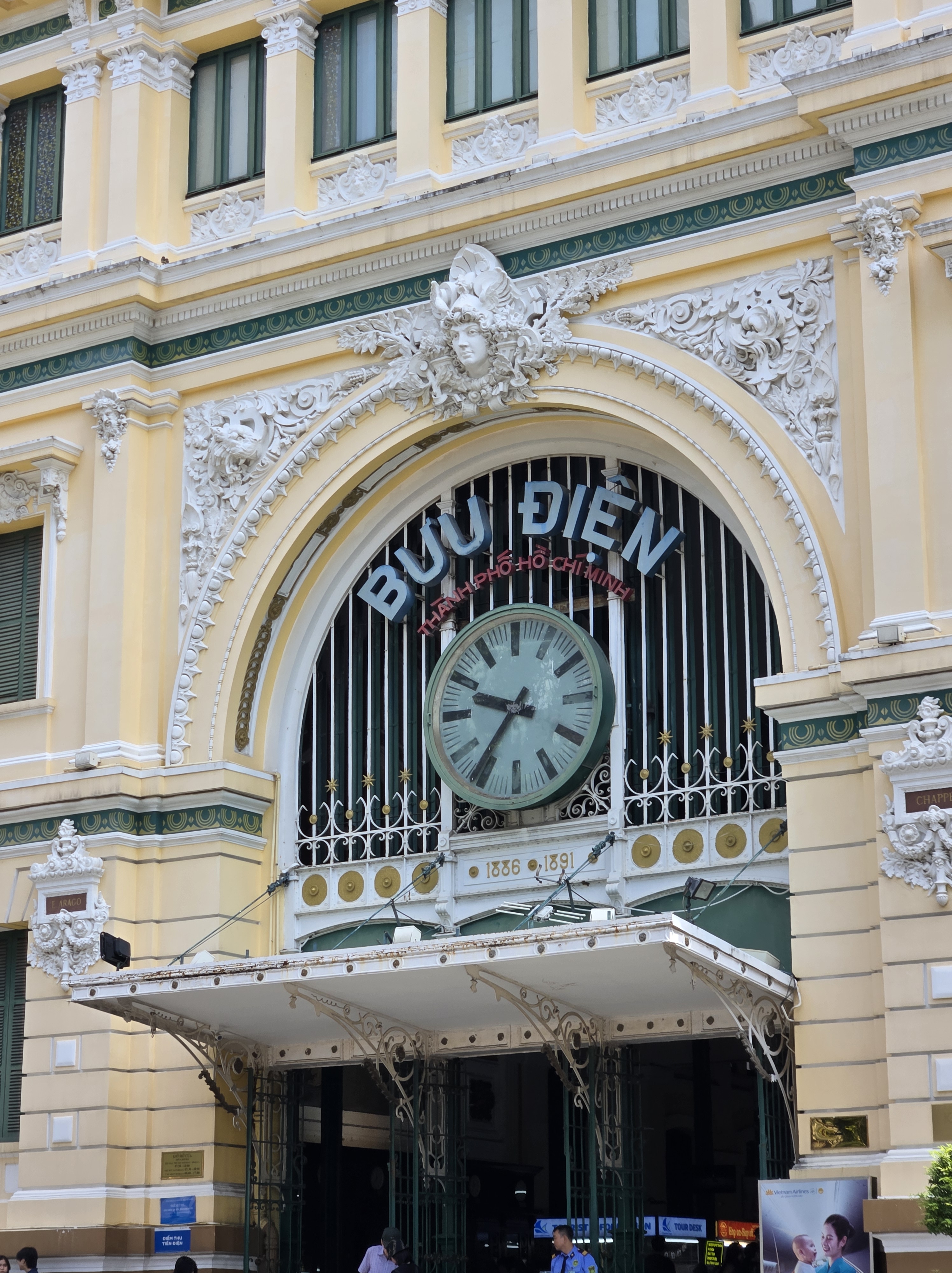
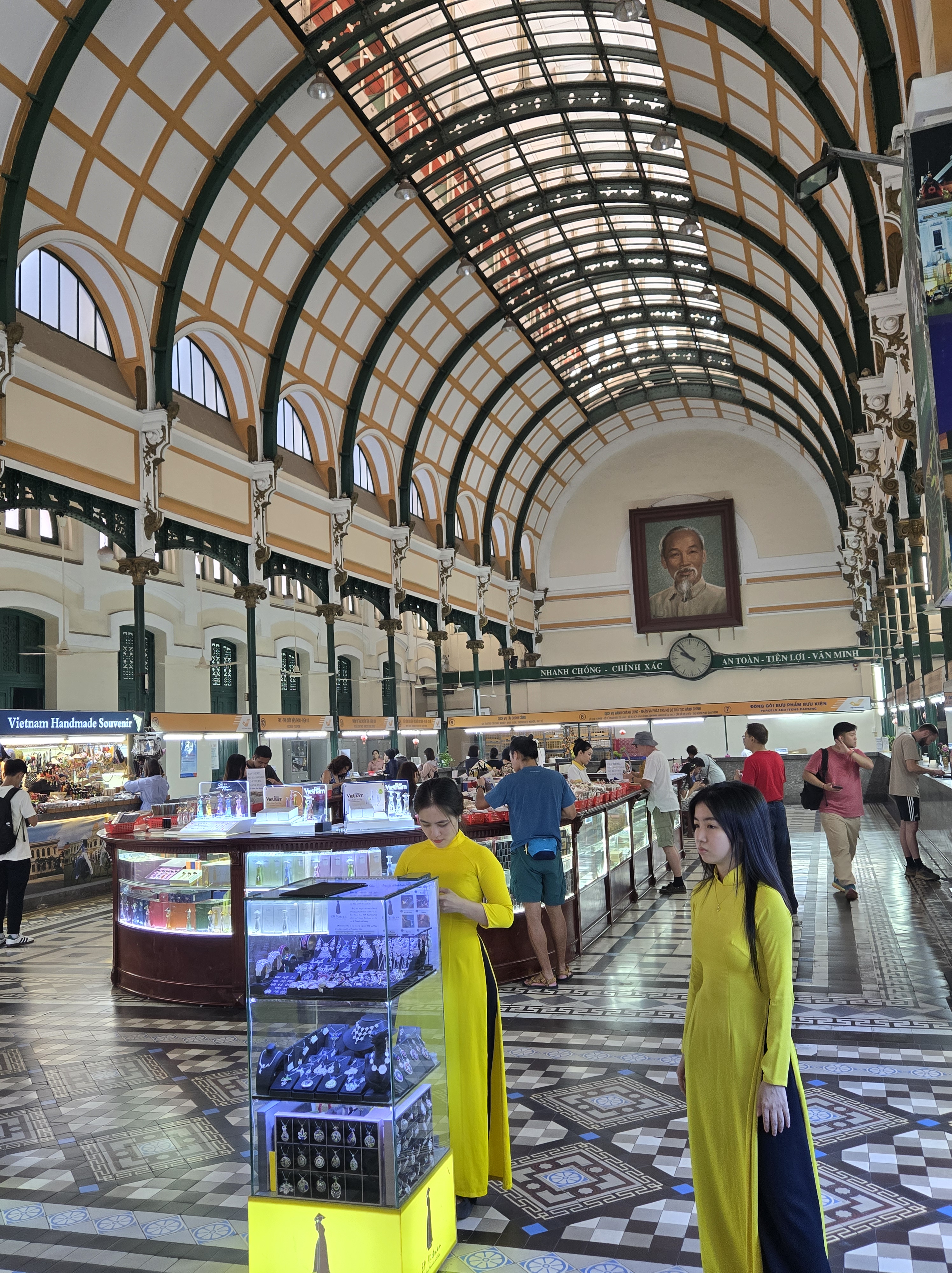
The architecture reflects the many colonizers who occupied Vietnam. For example, here’s the entrance, followed by images from the interior, of the main post office building:

There were plenty of reminders (in addition to the average daily highs of 91 degrees Fahrenheit and nighttime lows hovering near 80 degrees) that I was not strolling through South Buffalo’s Cazenovia Park:


There are numerous reminders that Vietnam is a nation of multiple religious faiths:
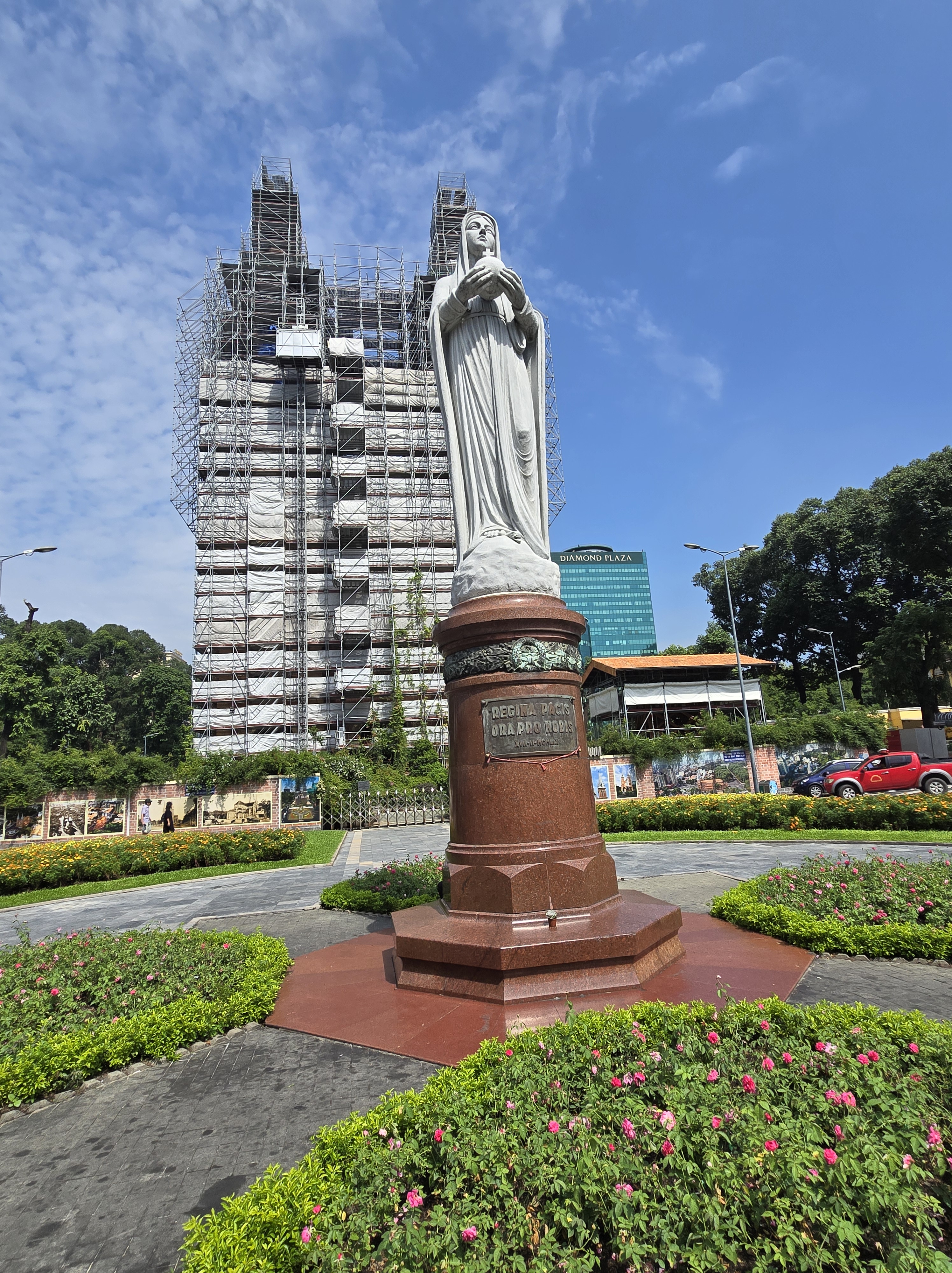
My most lasting memories are of messages that I read and images that I observed at the War Remnants Museum. This institution places the so-called “Vietnam War” into a daunting perspective for its American visitors:

Upon entry, you are immediately reminded of the juxtaposition between hallowed words in the U.S. Declaration of Independence and our nation’s actions in Vietnam:
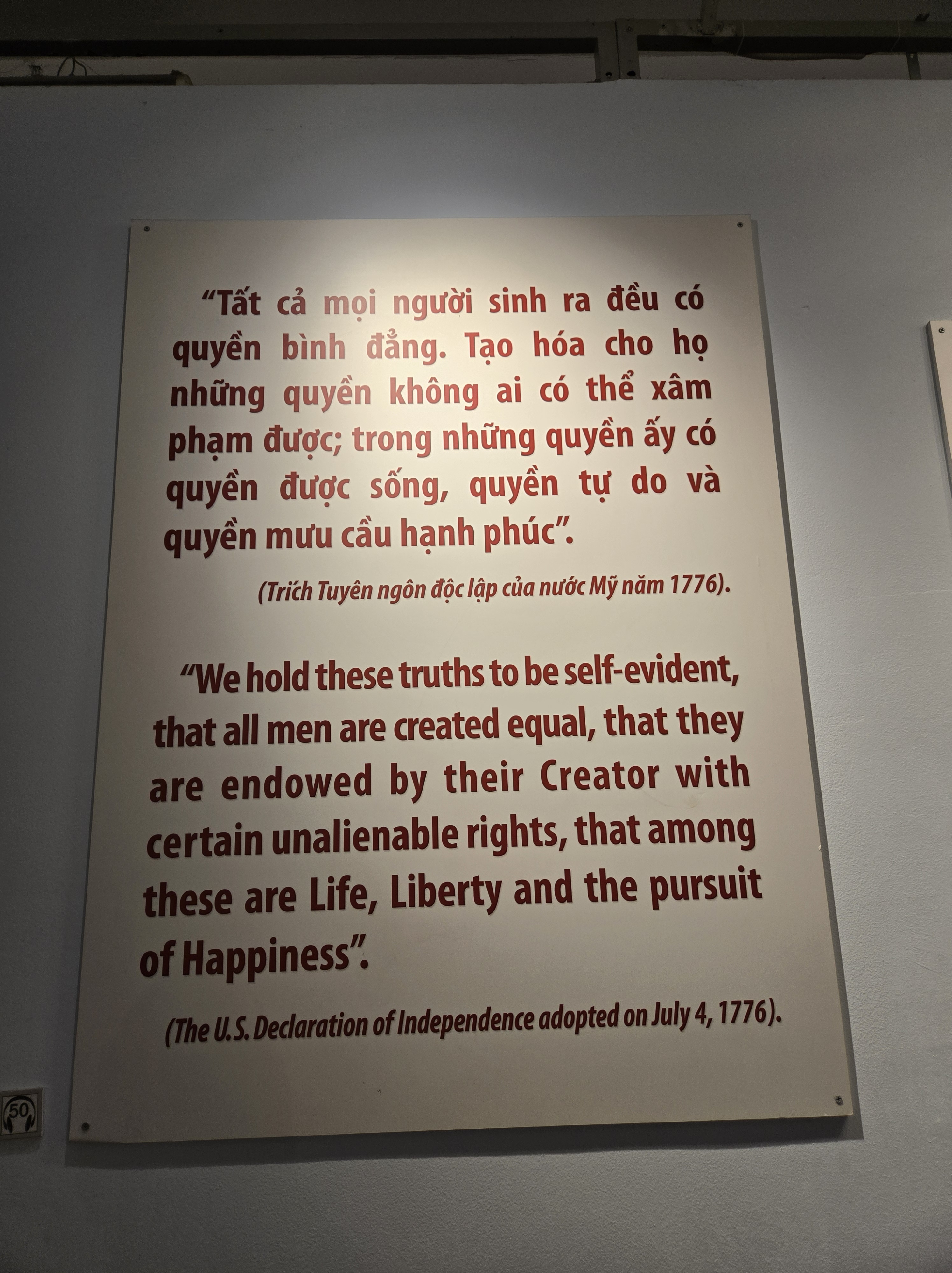
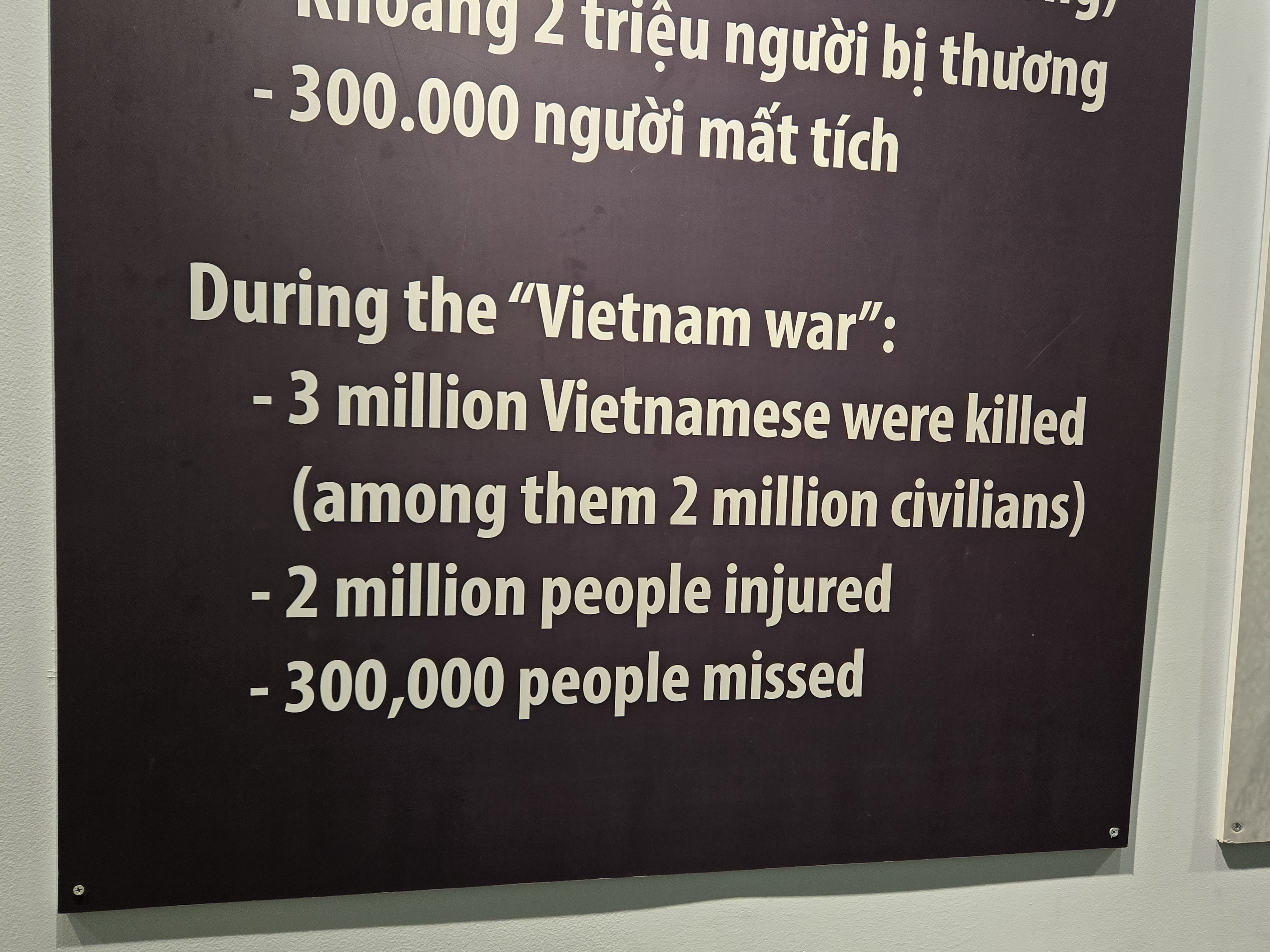
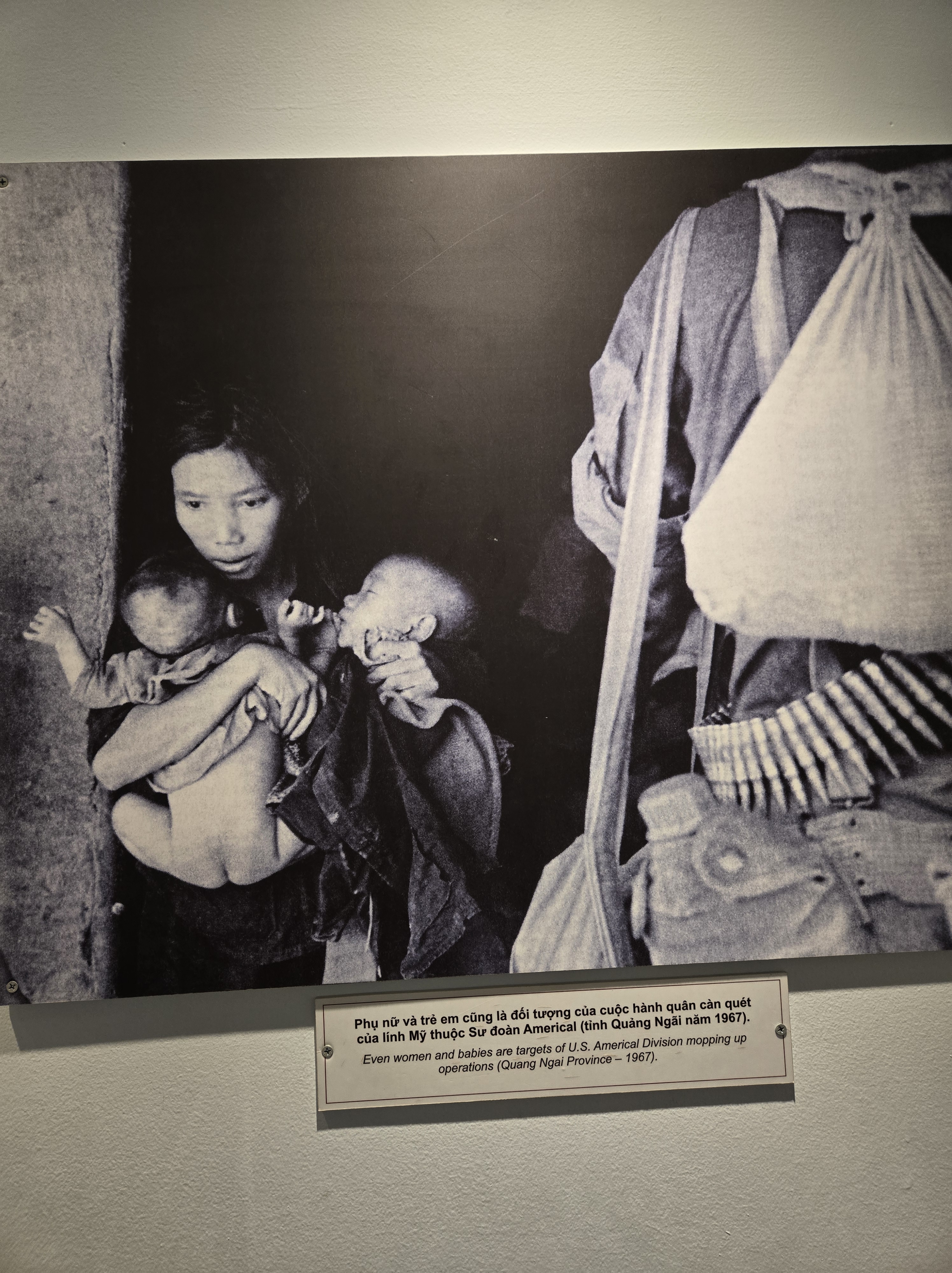
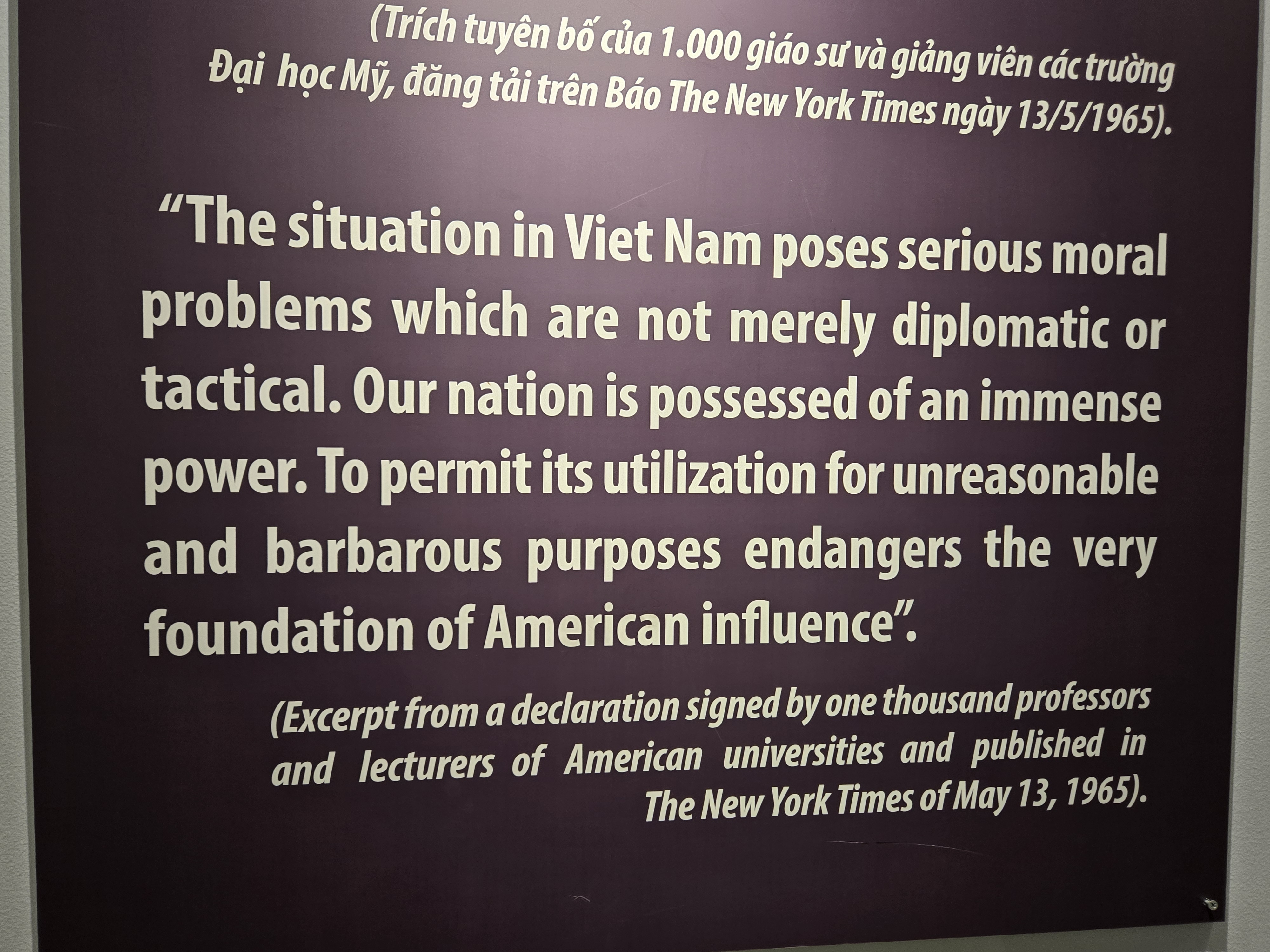

My seven days in Vietnam provided me with both numerous insights on the people, culture, geography, and history of this Southeast Asian nation, and a better understanding of the harm that the country of my birth can unleash on a distant nation when hubris and politics fuel its actions.
With All Due Respect,
Art Giacalone
P.S. My journey to Vietnam is the only trip I have made in my non-adventurous life requiring a visa. The mere mention of that document reminds me of the fear that possessed me the entire week in Vietnam that I would somehow lose or misplace this crucial piece of paper. But I still have it – puckered and wrinkled – along with two other souvenirs of my adventure:


According to State Comptroller Thomas Napoli’s 2022 report – New Yorkers in Need: A Look at Poverty Trends in New York State for the Last Decade | Office of the New York State Comptroller (ny.gov) – 40% of the children residing in the City of Buffalo live in poverty. That means that four out of every ten children in Buffalo lack adequate resources to meet basic needs such as food, clothing and shelter.
But Buffalo’s youth are not the only residents suffering. In 2019, 30.1% of the population of the “City of Good Neighbors,” or approximately 75,000 human beings, lived below the poverty line. [See U.S. Poverty Rate By City In 2021 (forbes.com.]
Only six other large U.S. cities have a higher poverty rate, including Rochester, NY. While the share of our neighboring city’s population living in poverty, 31.3%, is slightly higher than Buffalo’s, Rochester has been more successful at lowering its residents’ poverty rate. In the five-year period between 2014 and 2019, when Buffalo’s numbers barely budged from 30.9 to 30.1 percent, Rochester saw a meaningful 2.5% drop in its poverty rate, from 33.8 to 31.3%.
Given these dismal statistics, it is disturbing to read Buffalo Mayor Byron Brown’s response to his selection as the next head of Western Regional Off-Track Betting. As reported in the Buffalo News, Brown says he appreciates “the vote of confidence in me and my record of success as mayor of Buffalo.” [See Byron Brown selected as next head of Western Regional OTB (buffalonews.com).]
That sentiment is echoed in the mayor’s statement at the city’s website where Brown takes credit for Buffalo’s “renaissance” and calls Buffalo “a model for urban transformation” and “a city of opportunity for all residents.” [See Office of the Mayor | Buffalo, NY (buffalony.gov).]
It takes some chutzpah to boast of economic prosperity and opportunity for all given Buffalo’s poverty rate, which stood at 30.2% in 2010, the fourth year of Brown’s 18 years as the head of the city’s executive branch, and today continues to hover around 30 percent.
Of course, the city’s legislative body, the Common Council, must also take responsibility. It has rubberstamped virtually all of Brown’s policies, helping to perpetuate an economic environment where 75,000 Buffalonians live in poverty.
The absence of legislative leadership is troubling given the City Charter’s mandate – at Chapter C, Article 4-5 – that the president of the Common Council be elevated to the position of acting mayor when a vacancy in the mayor’s office occurs. The current Council President, Christopher P. Scanlon, has been a staunch ally of Brown and appears equally oblivious to Buffalo’s persistently high poverty rate.
Scanlon’s biography speaks vaguely of “passing legislation that supports and strengthens public safety and economic opportunity, with an emphasis on equity and inclusions.” His lack of vision is reflected in his boast that, “he has ensured that our City’s vulnerable populations are served through his sponsorship of free sports and reading camps.” [See Christopher P. Scanlon | Buffalo, NY (buffalony.gov).]
Buffalonians deserve new leadership that goes beyond the mediocrity of the Brown/Scanlon years and truly seeks to create prosperity for all its residents.
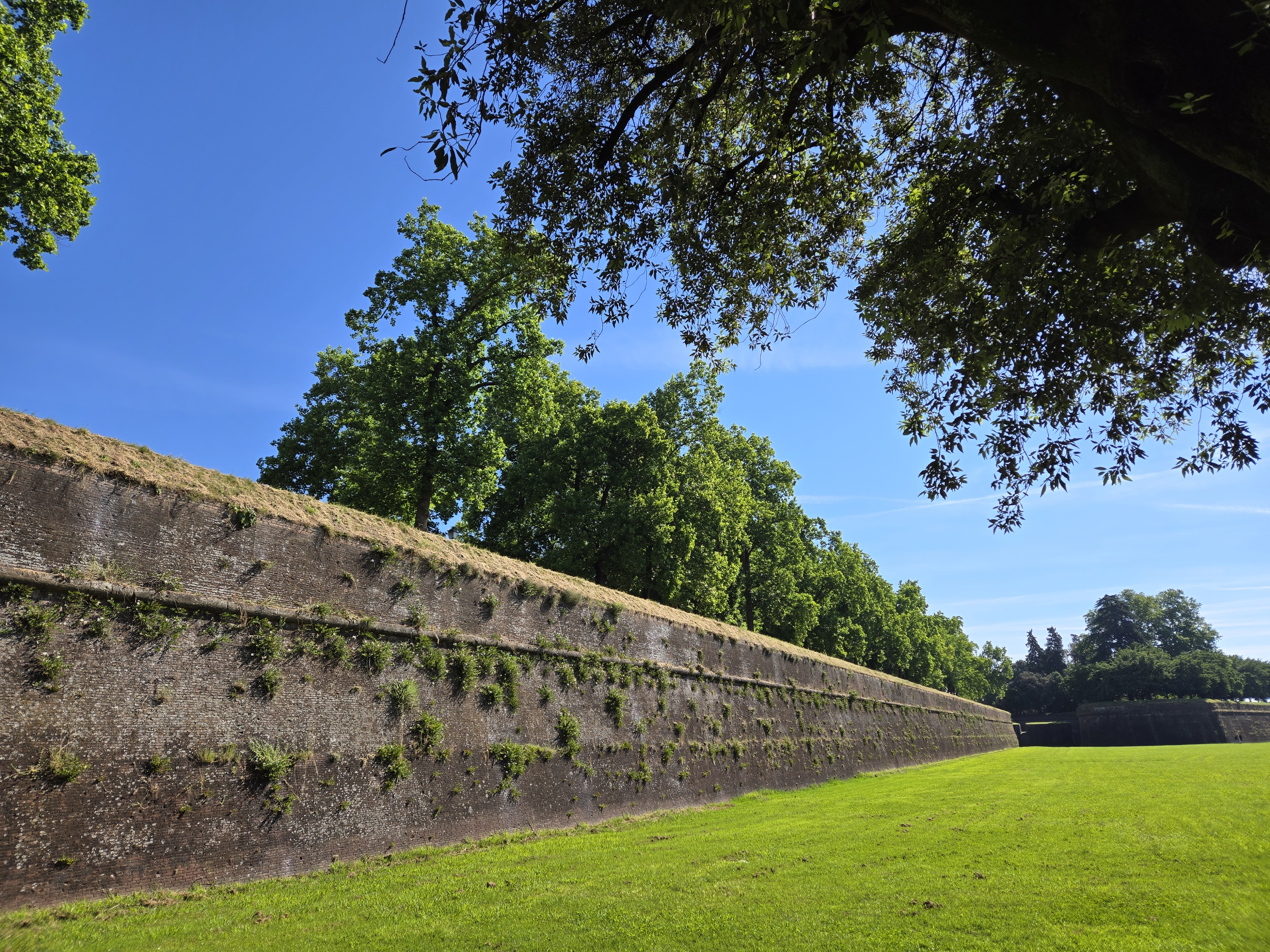
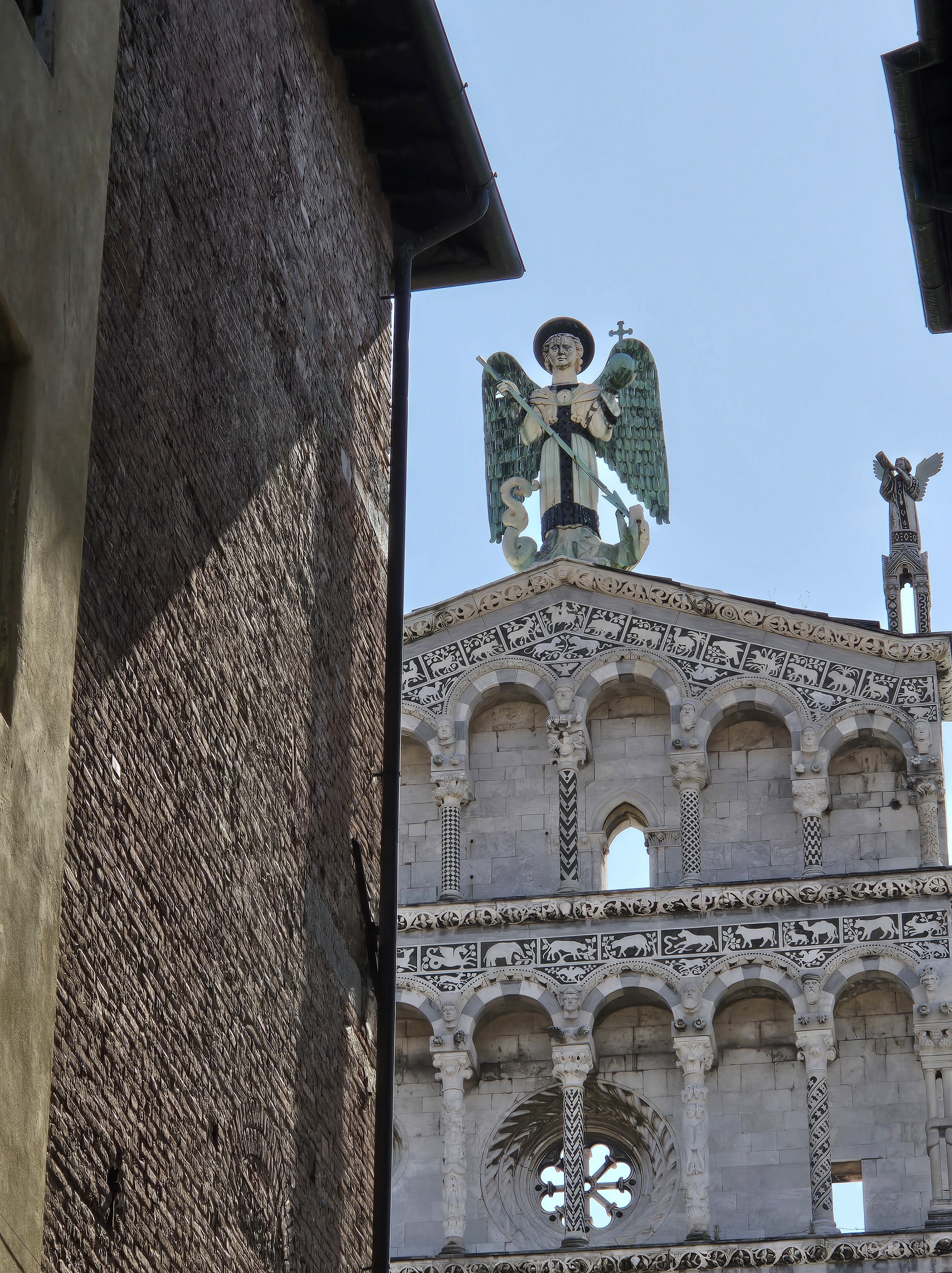
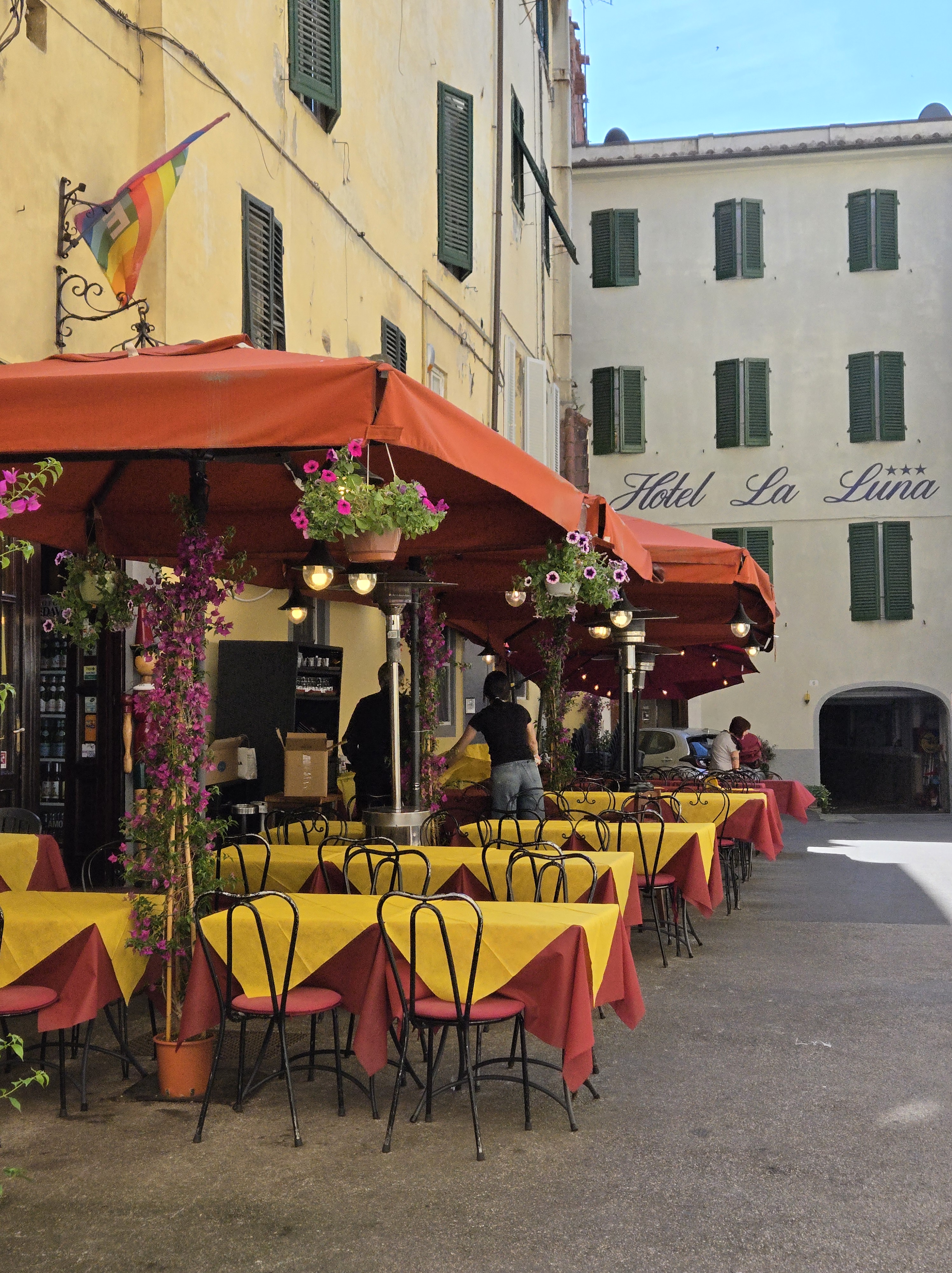
My recent trip took me to three regions on the west coast of central Italy: Tuscany (Toscana), Umbria, and Lazio. I walked medieval cities – some encircled by massive walls – surrounded by gently rolling hills and farmland. The following images reflect some of what I saw.
The medieval Tuscan city of Lucca is still “protected” by an extant wall:
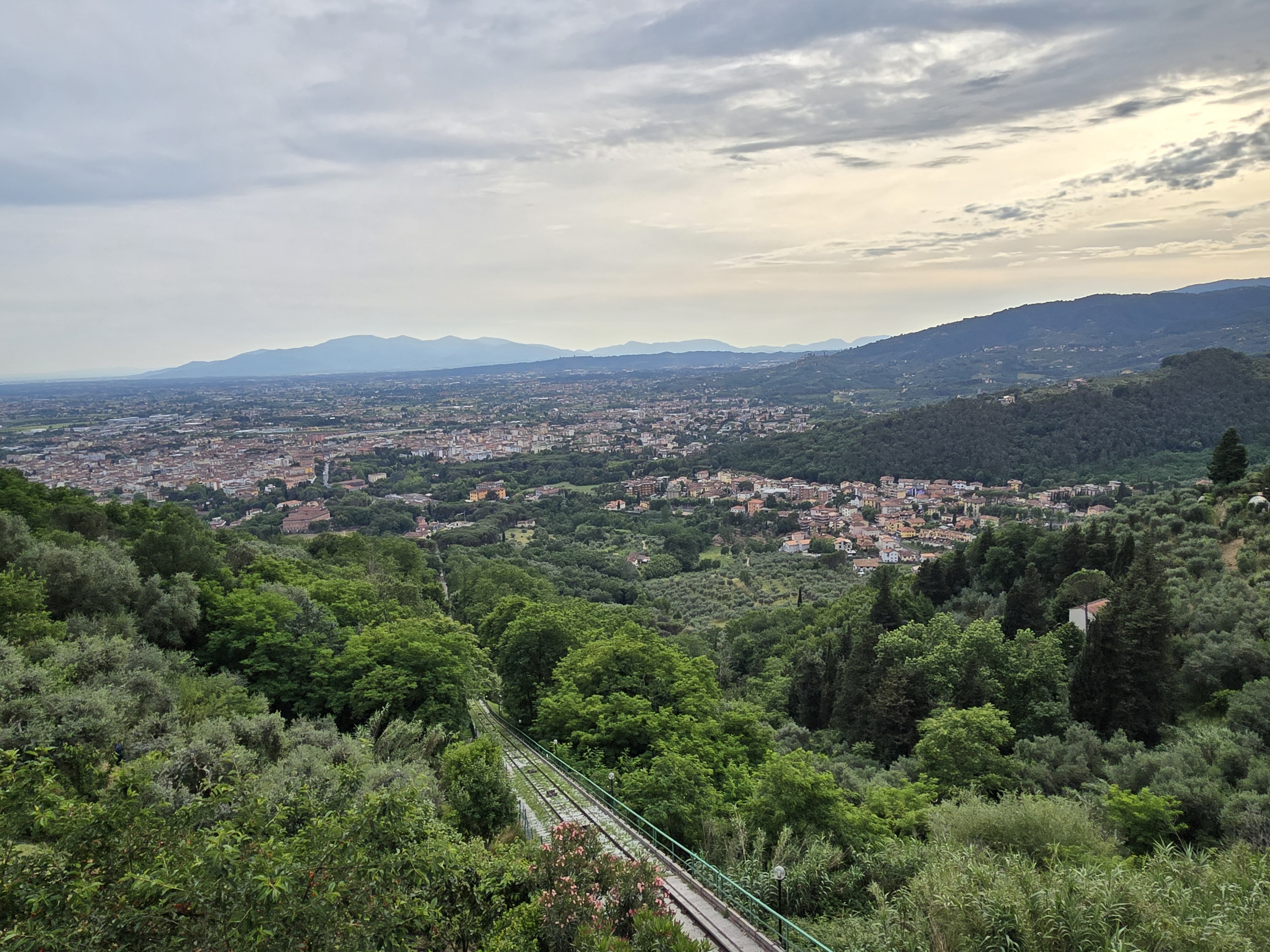
Tourists in Montecatini, Tuscany, can enjoy expansive views of the surrounding area by taking the Funicular – a quaint tram – to an observation platform adjoining the original city of Montecatini:


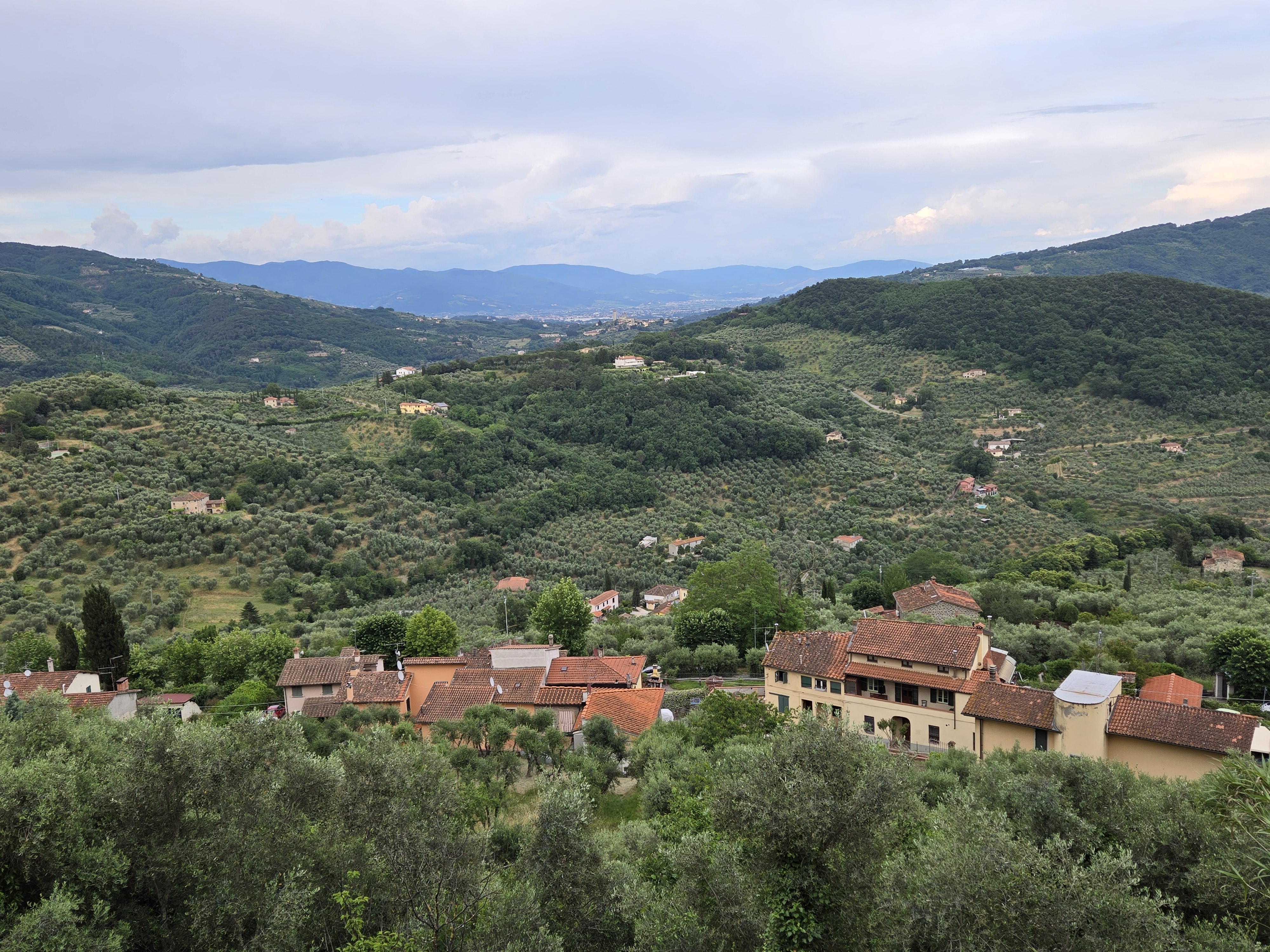

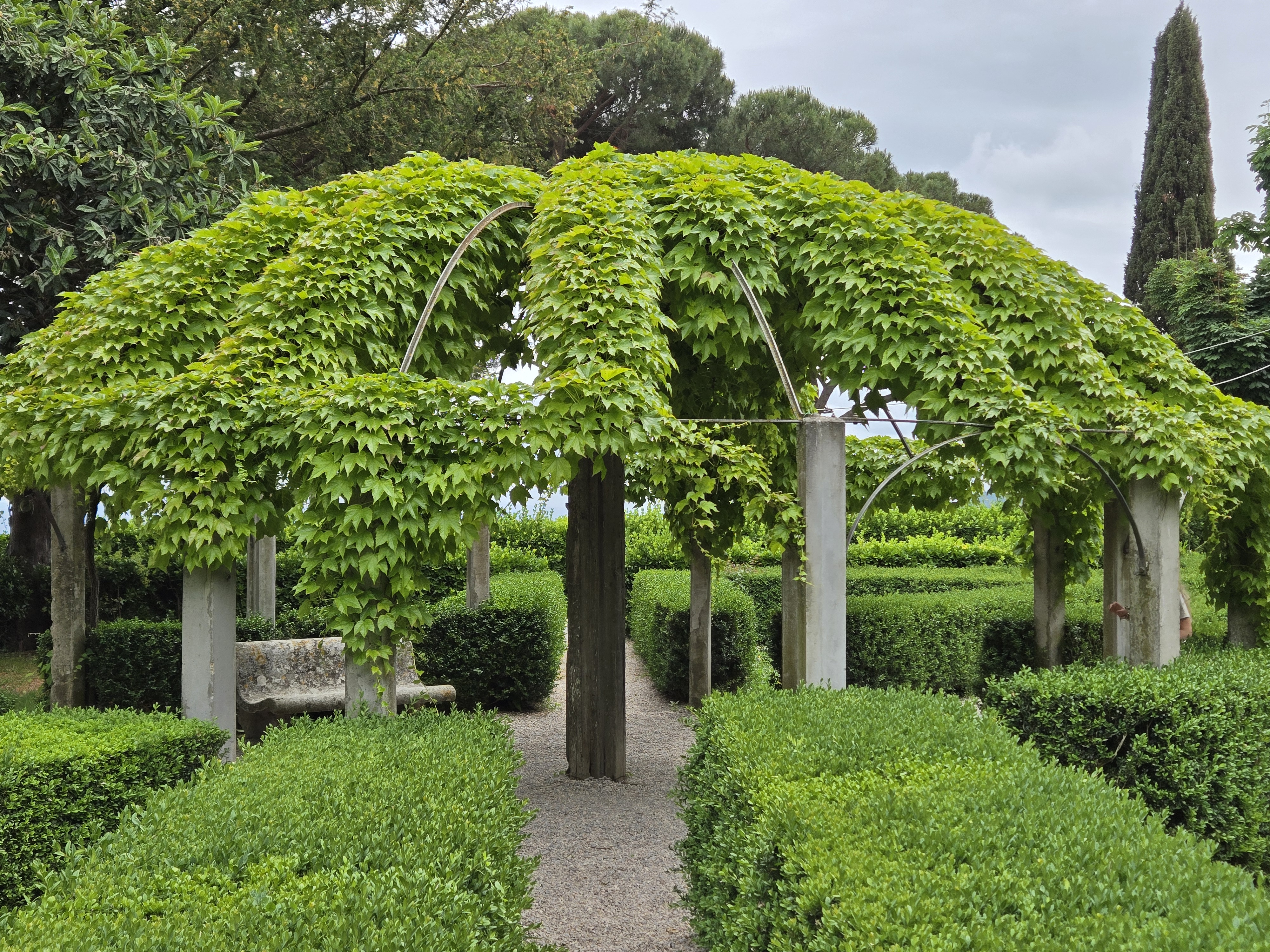
Montepulciano, Tuscany, offers its inhabitants and visitors a whimsical public garden and memorable views:

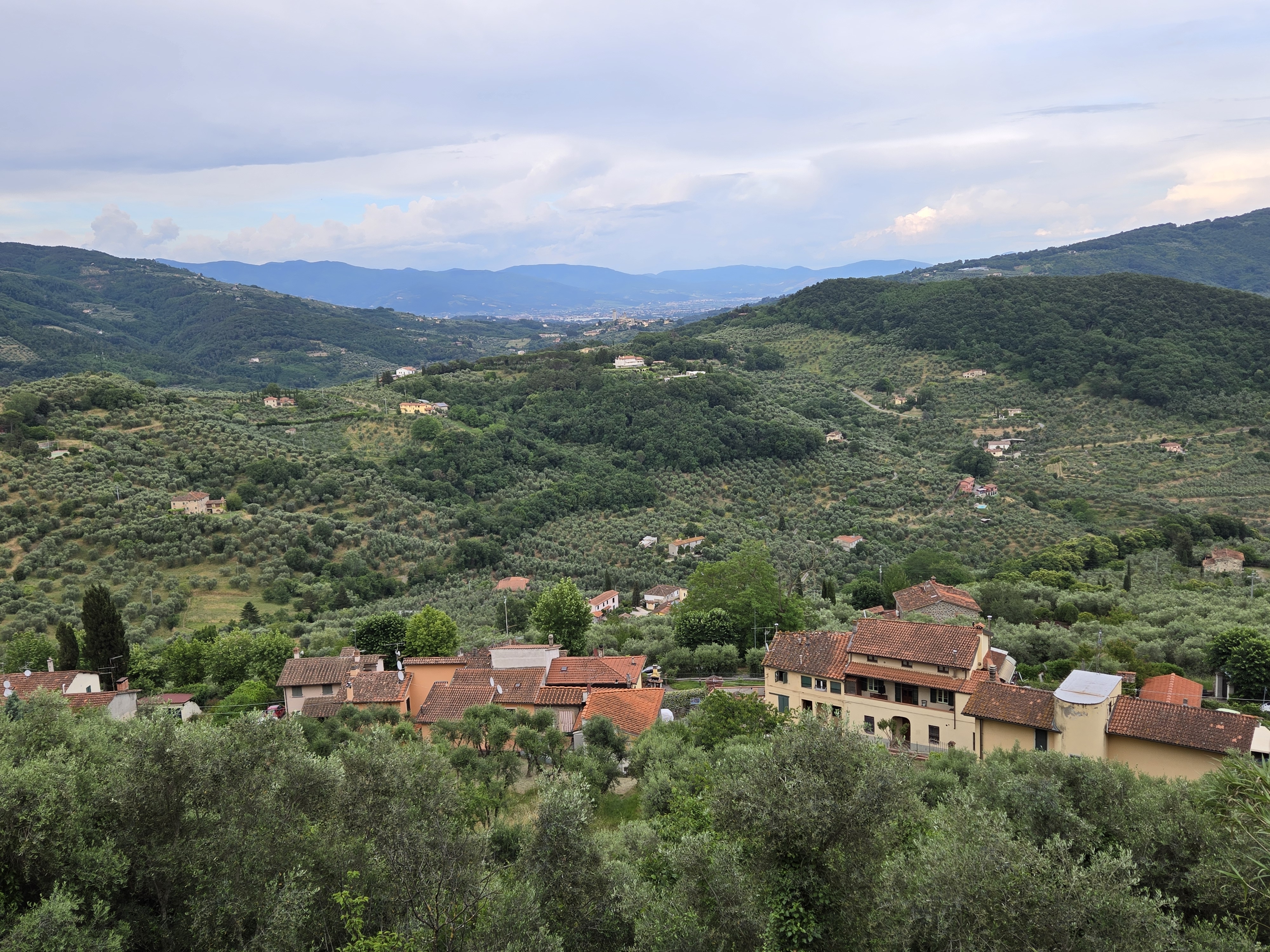

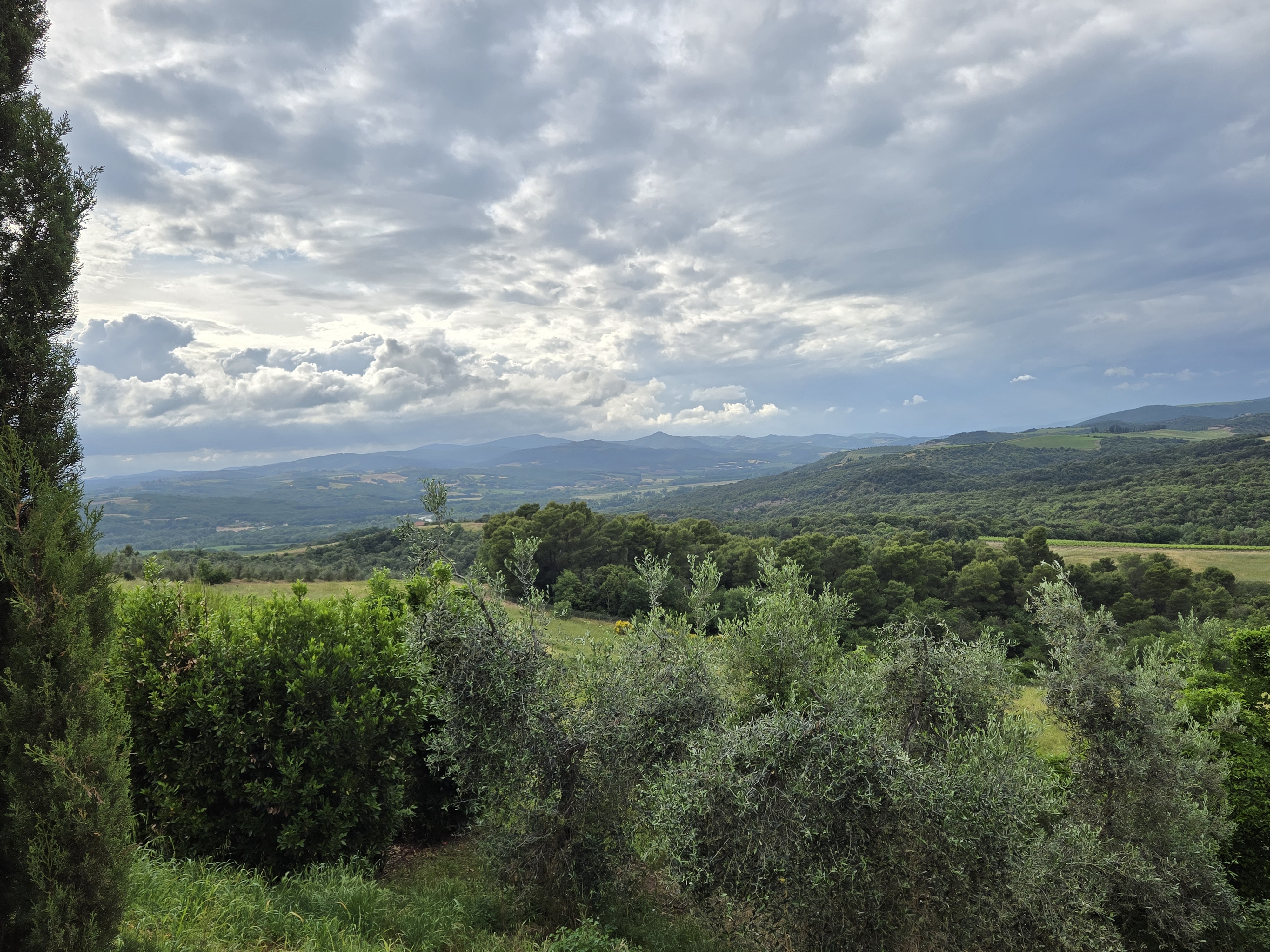
One need not enter a church or basilica to be inspired when visiting the Umbrian city of Assisi:


Dating back to the Etruscan era, Orvieto in southwestern Umbria is an impressive sight:
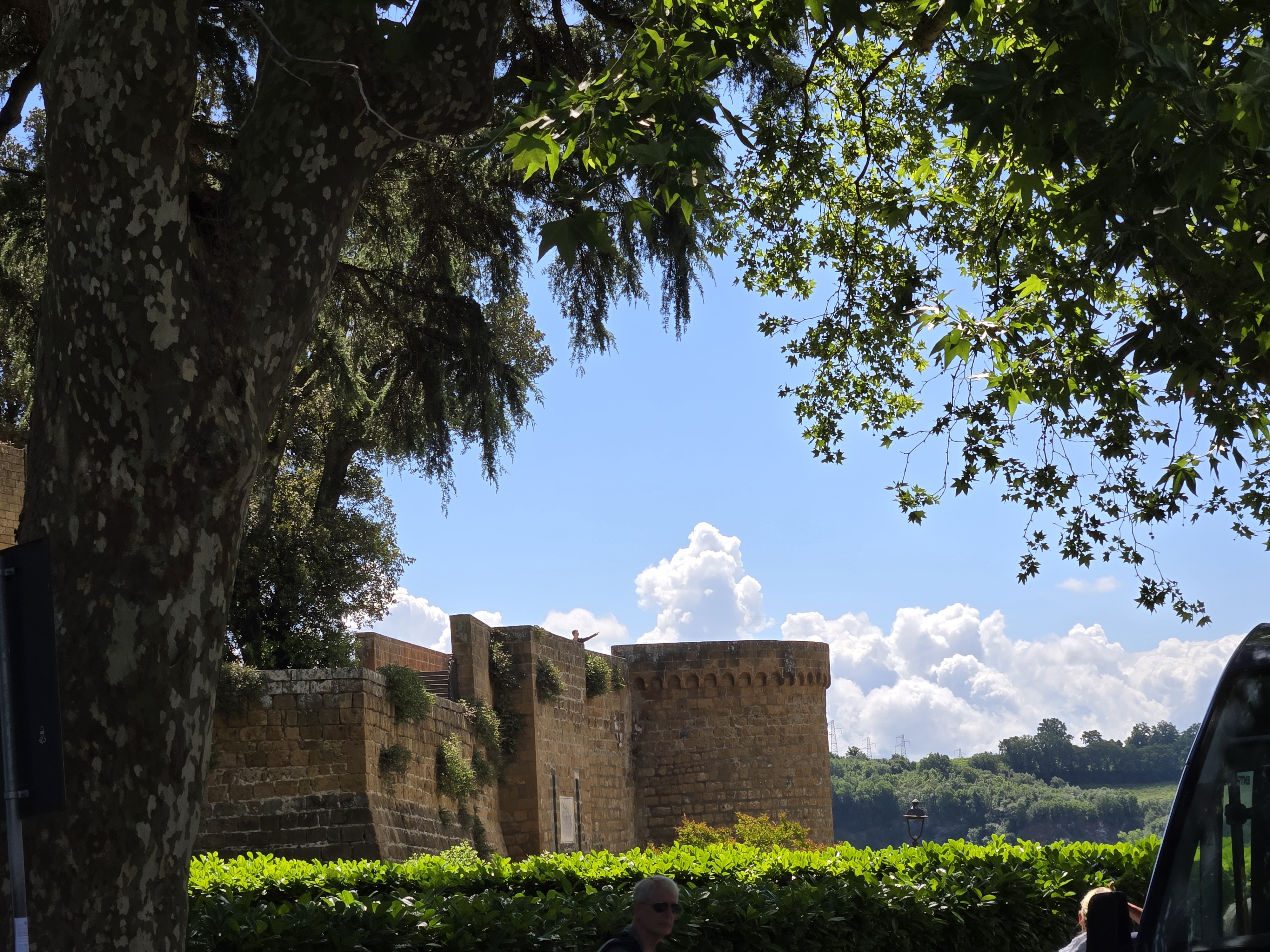

But, to my eye, nothing surpasses the beauty of the countryside surrounding Tarquinia in Lazio.
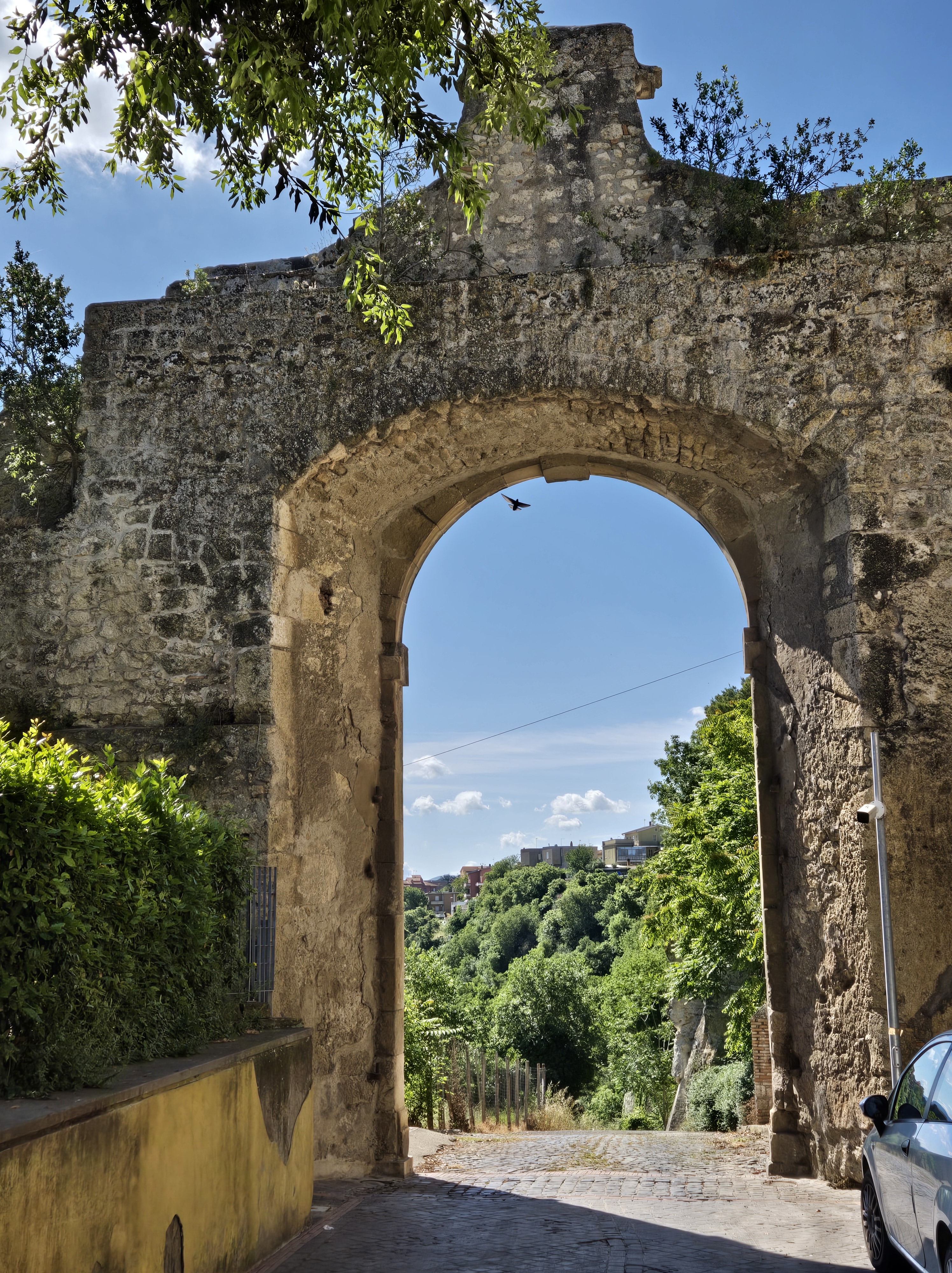


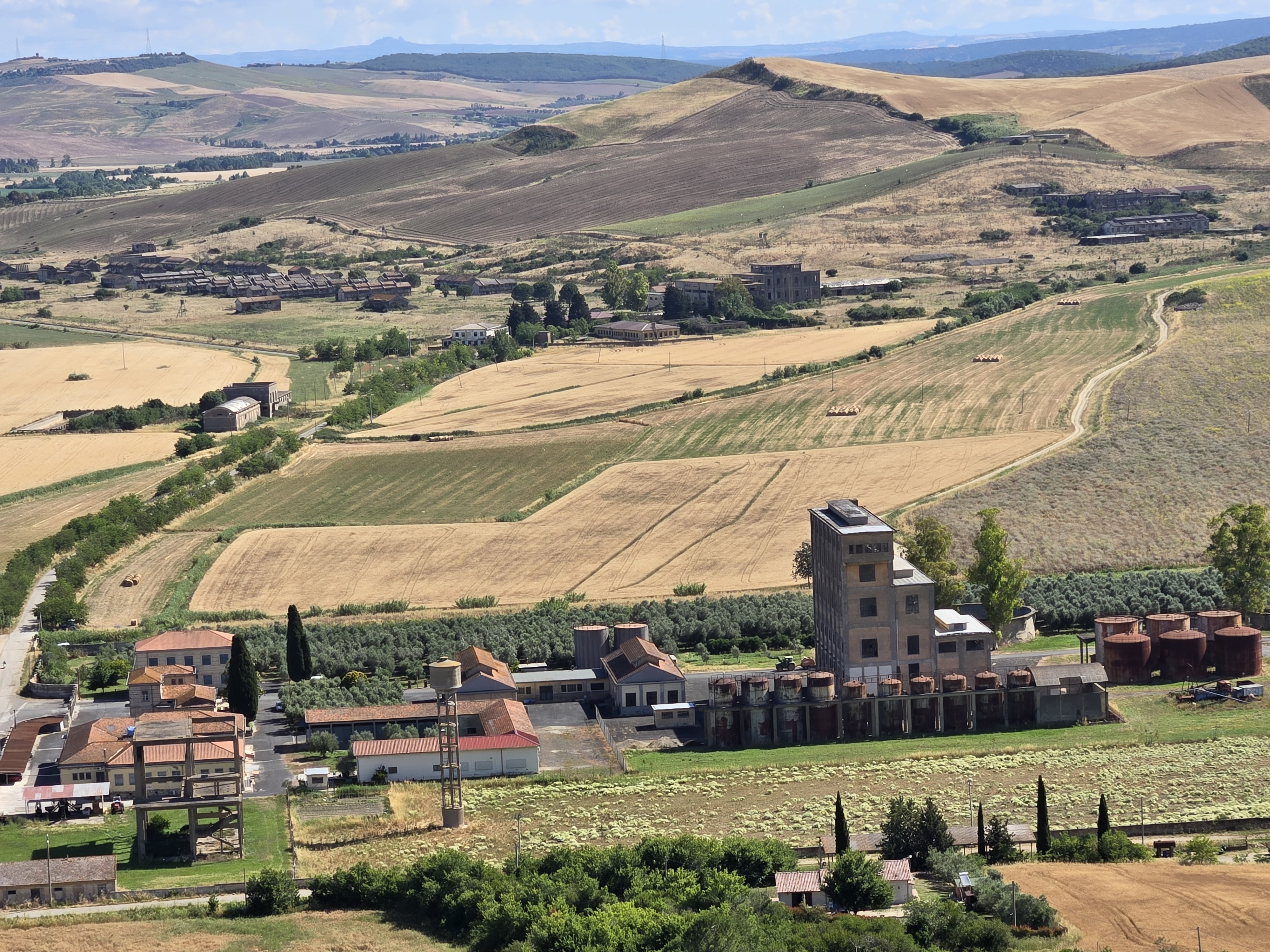

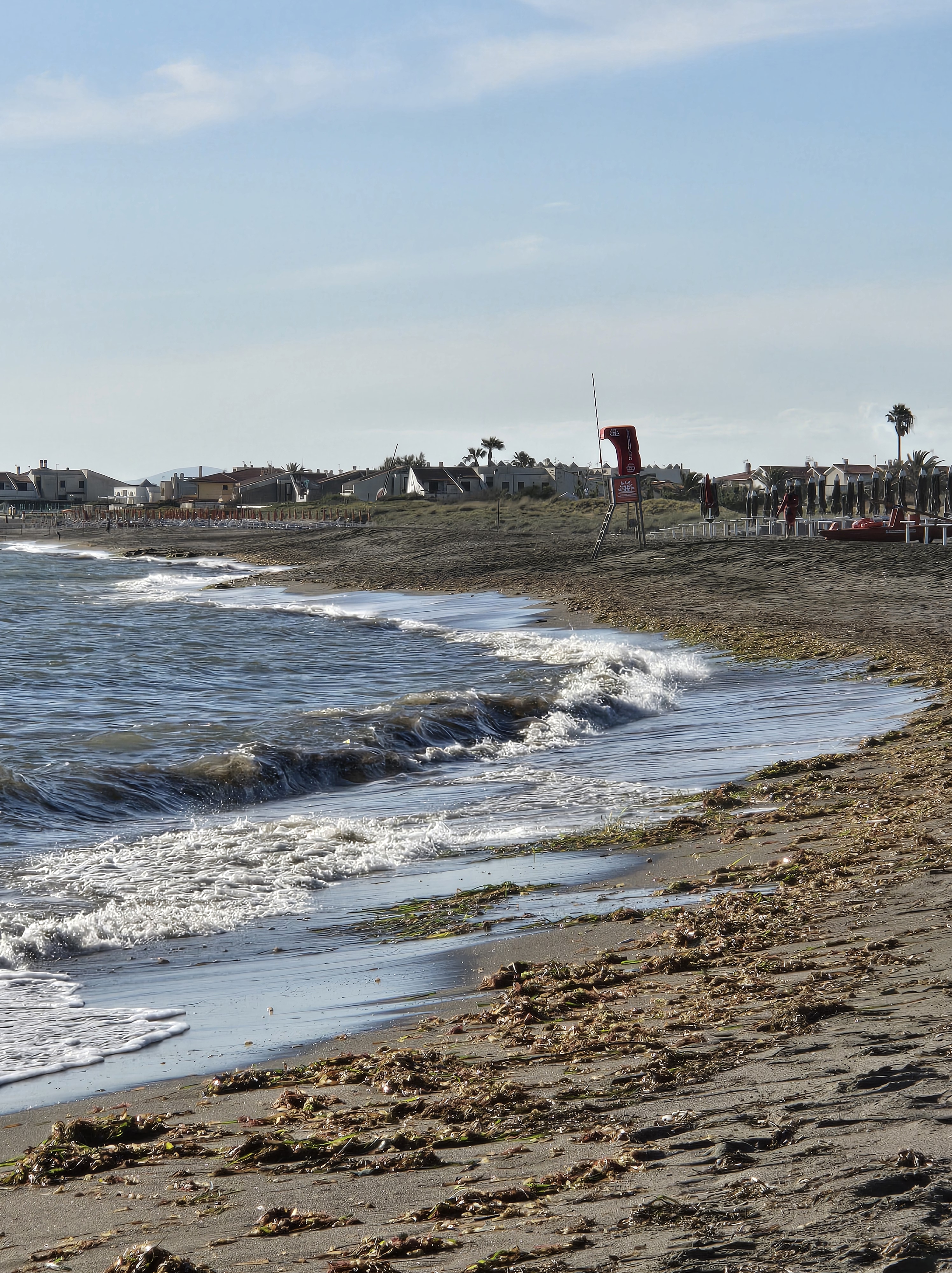
It wasn’t until the evening of day 10 of my trip that I experienced a seashore. Tarquinia, thankfully, is located on the Tyrrhenian Sea (Mar Tirreno). I’ll end this post with images to remind me of the refreshing walk I took splashing the temperate waters of Mar Tirreno.

With All Due Respect,
Art Giacalone
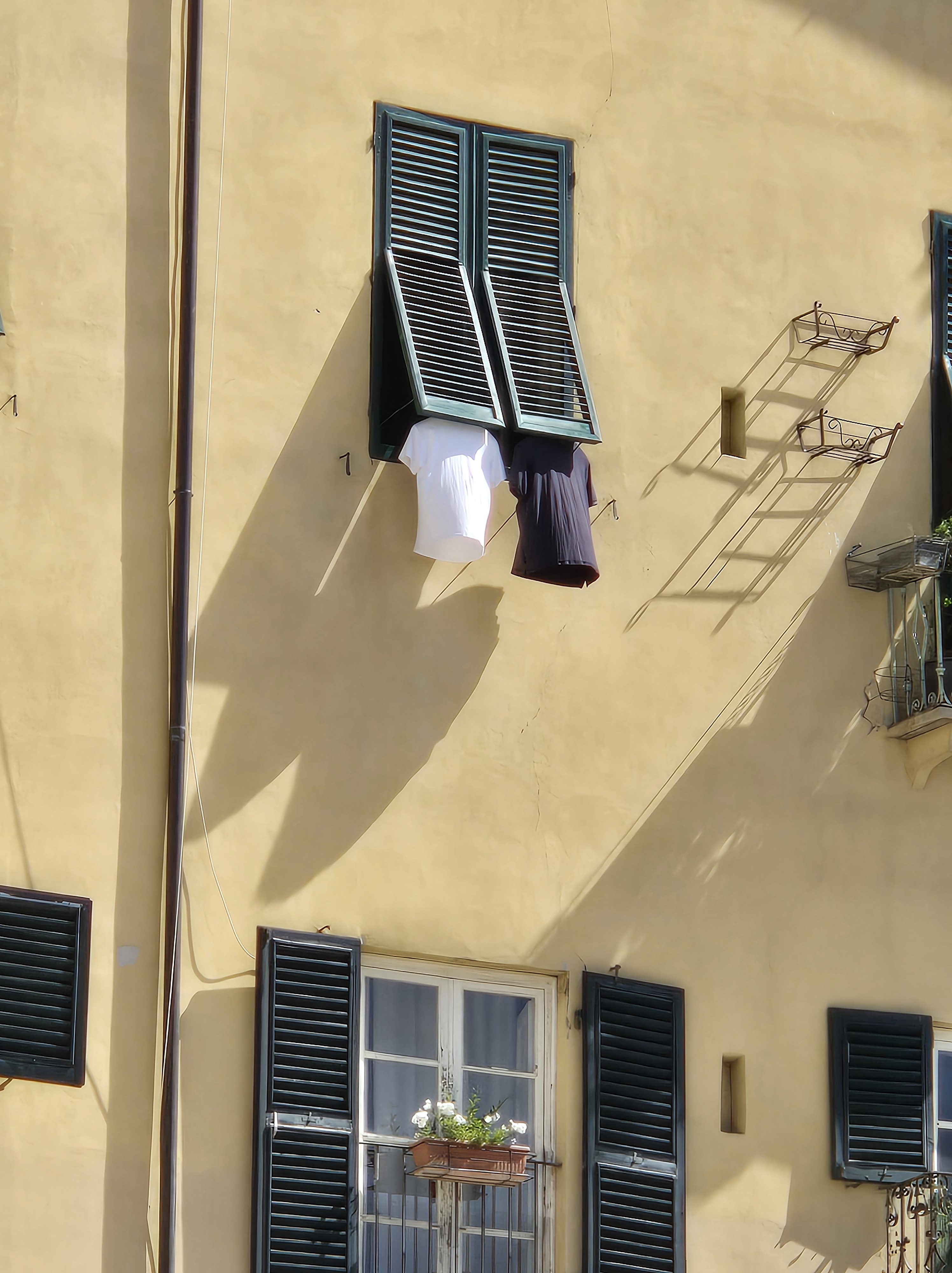
Windows and doors have always caught my eye – and that fascination continued during my walking tours (formal and informal) in Italy a couple weeks ago. I hope you’ll enjoy le finestre e le porte.
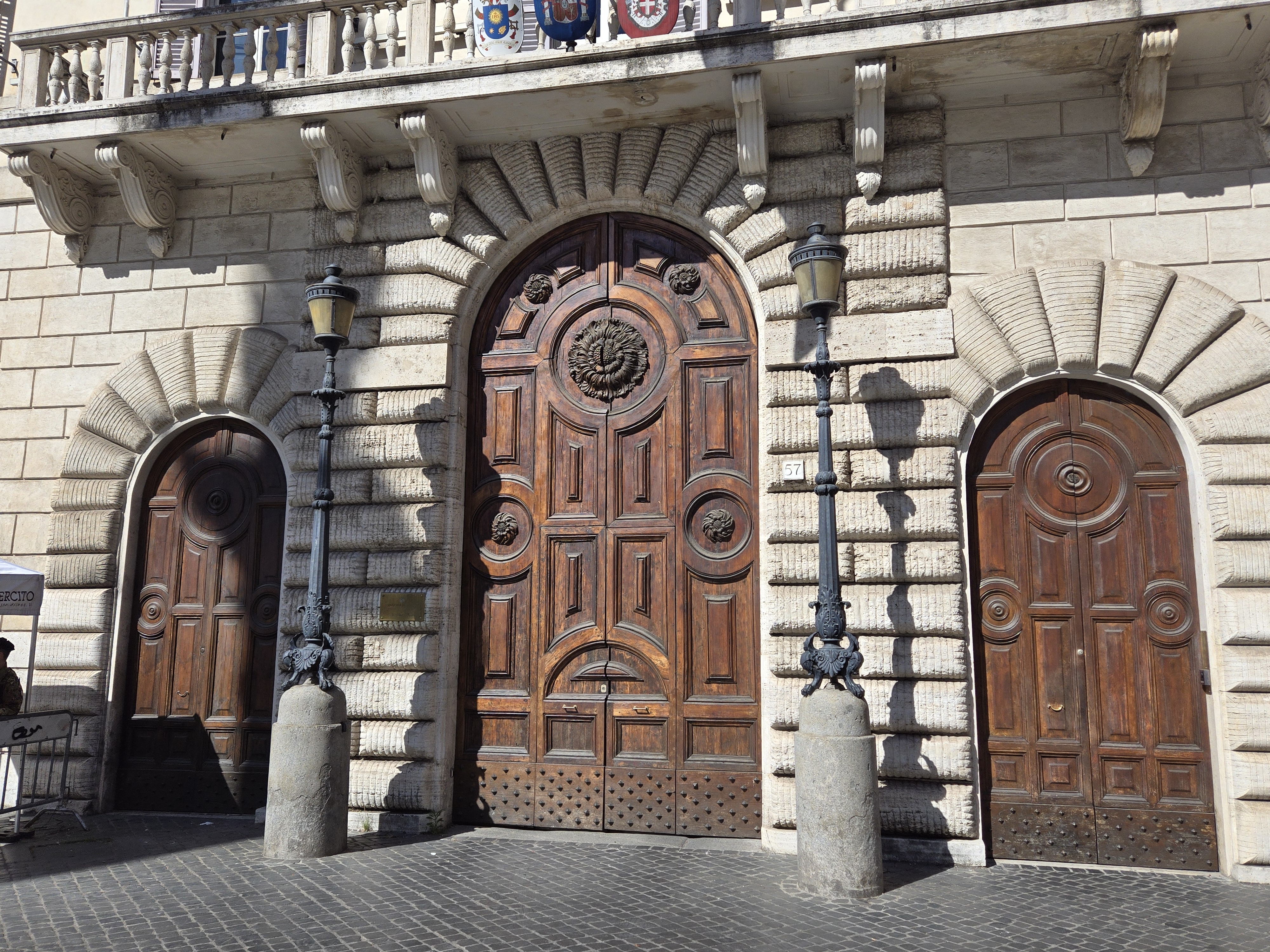


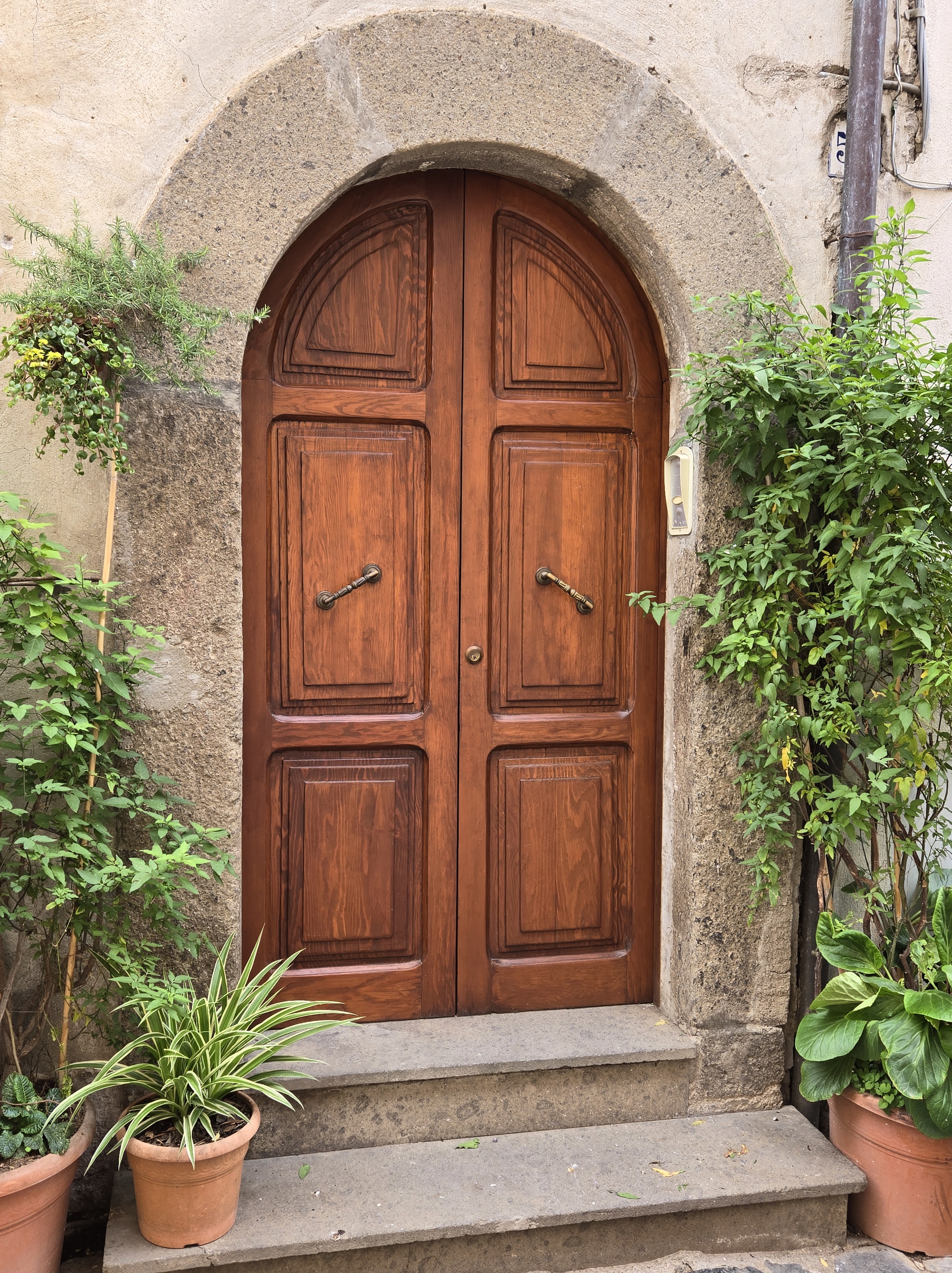

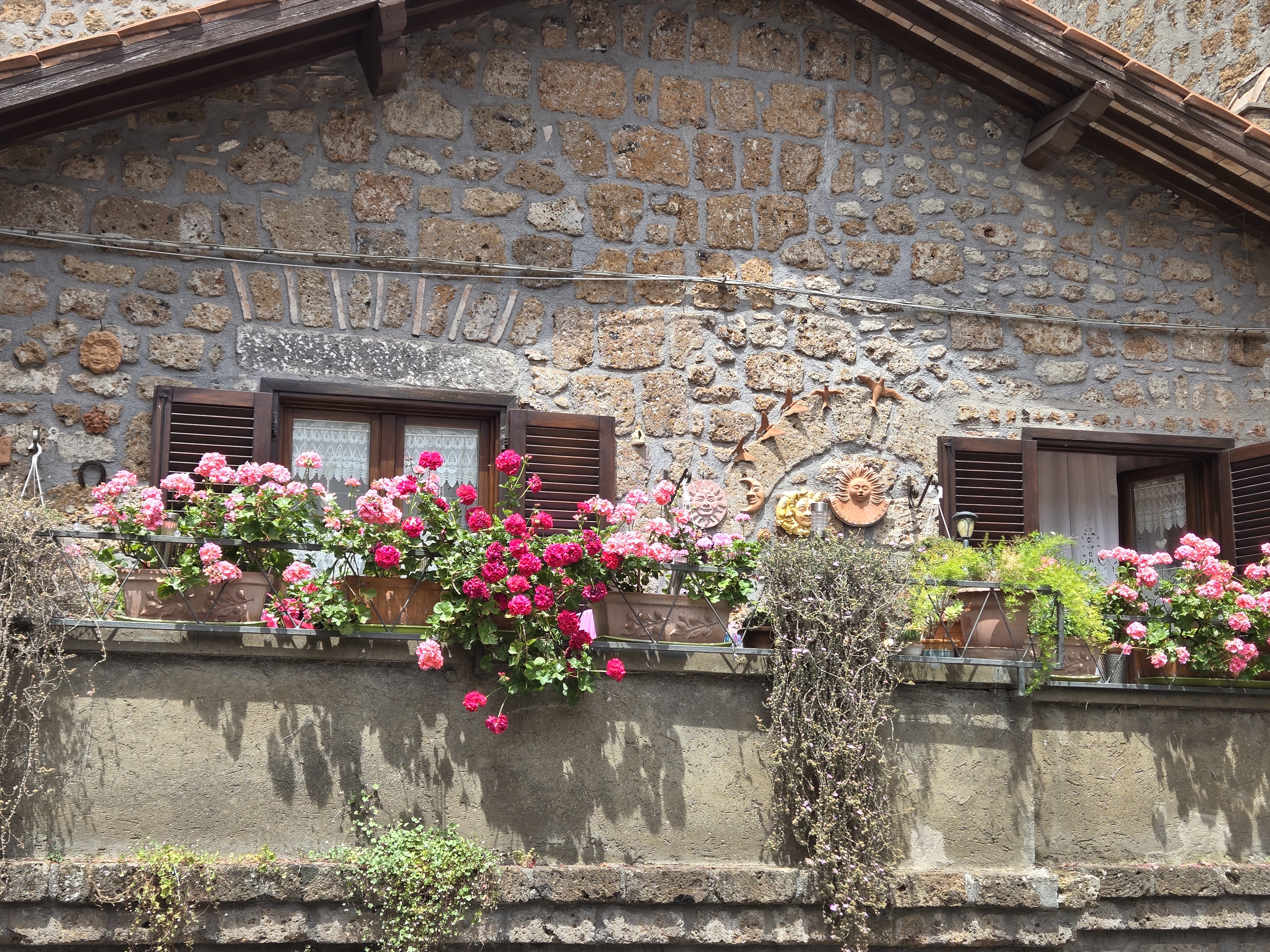
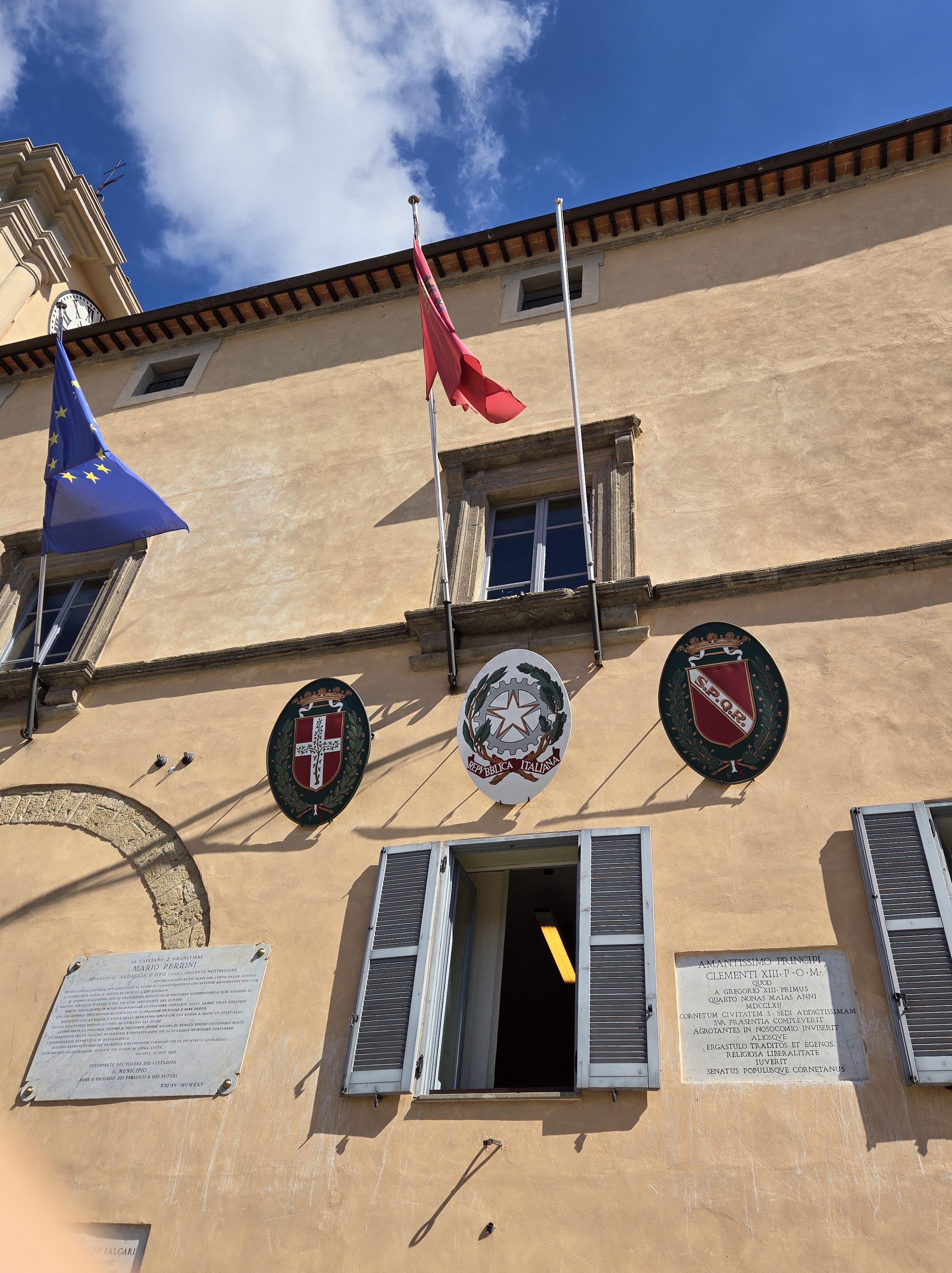



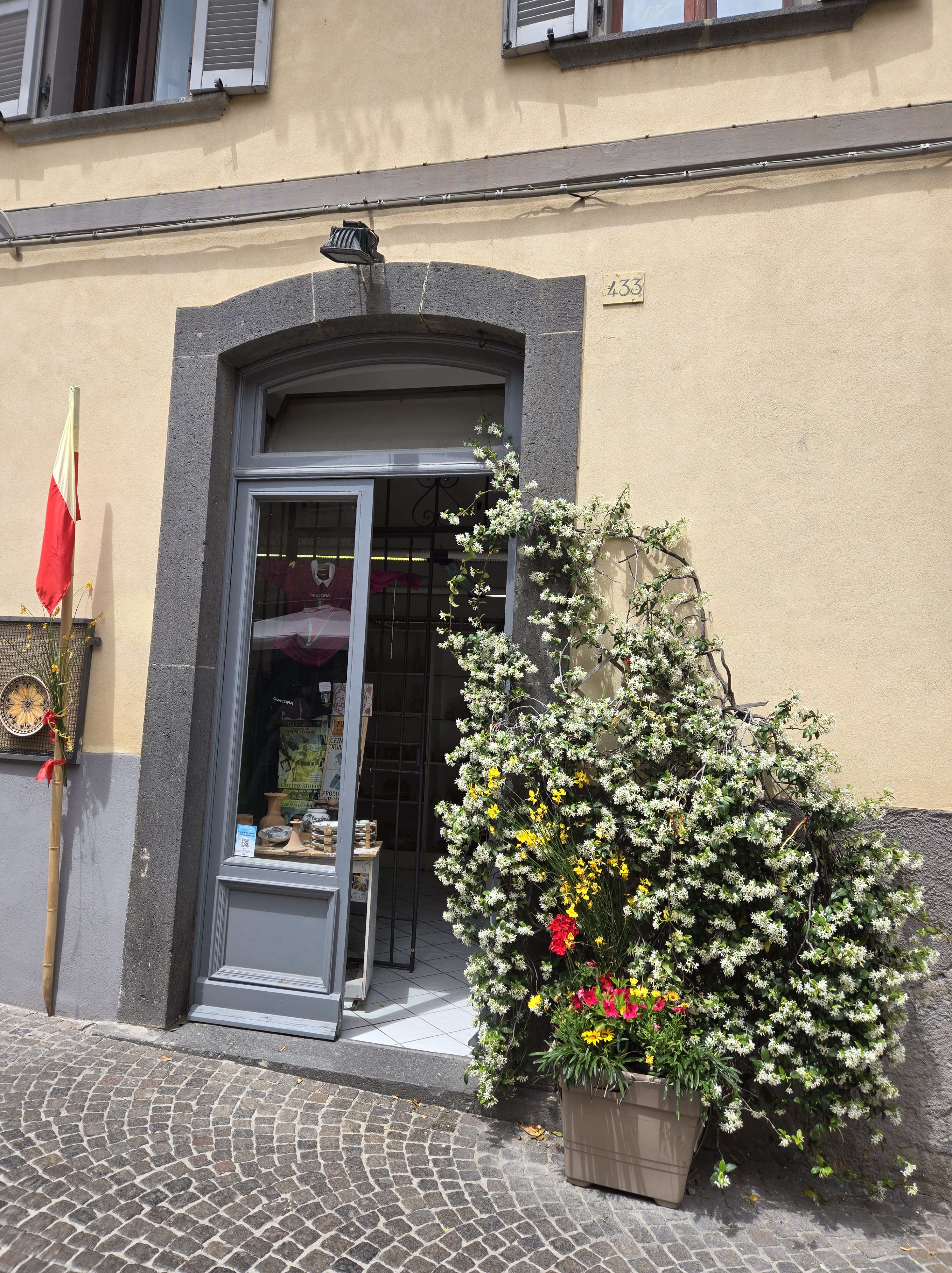


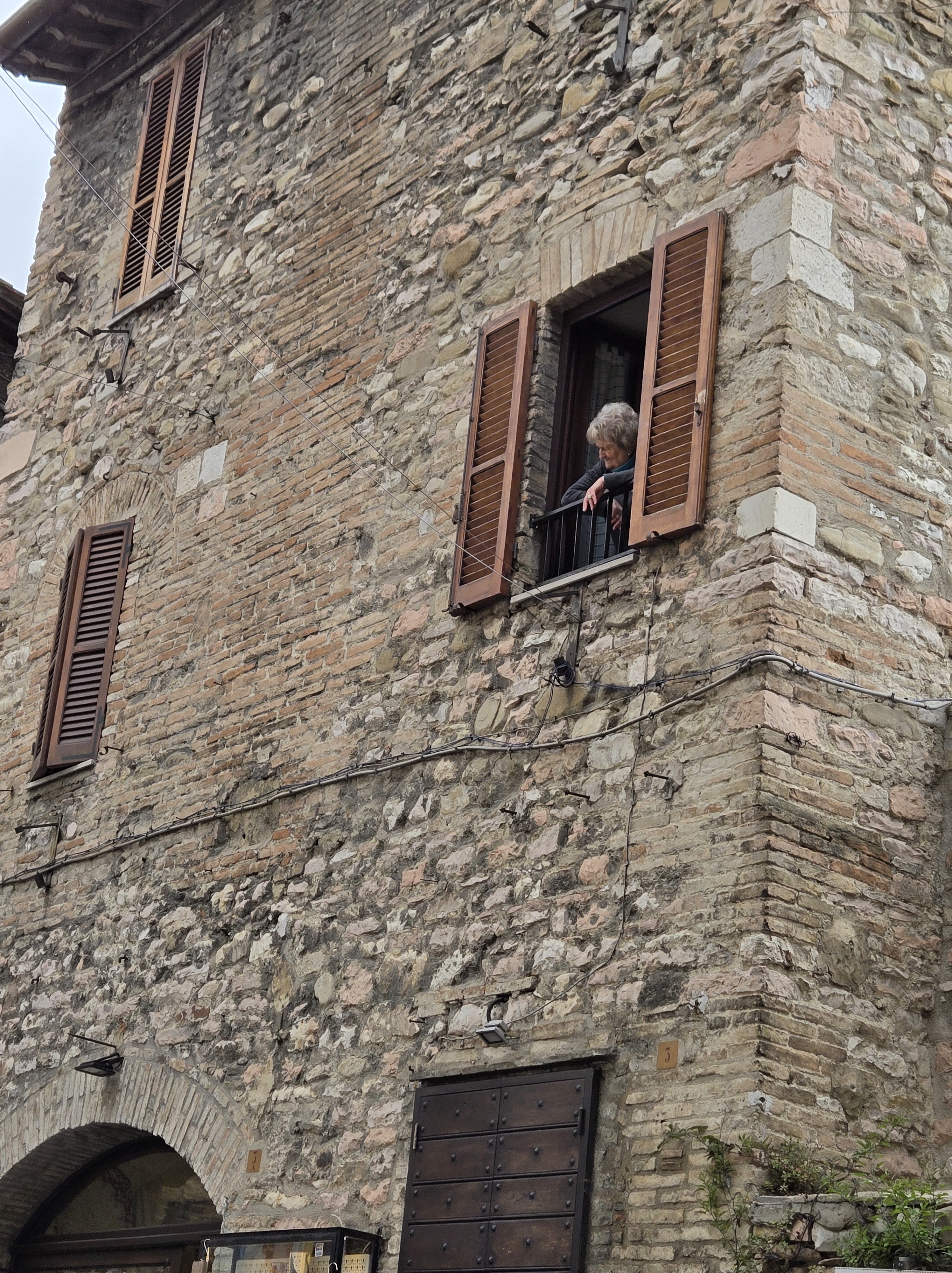

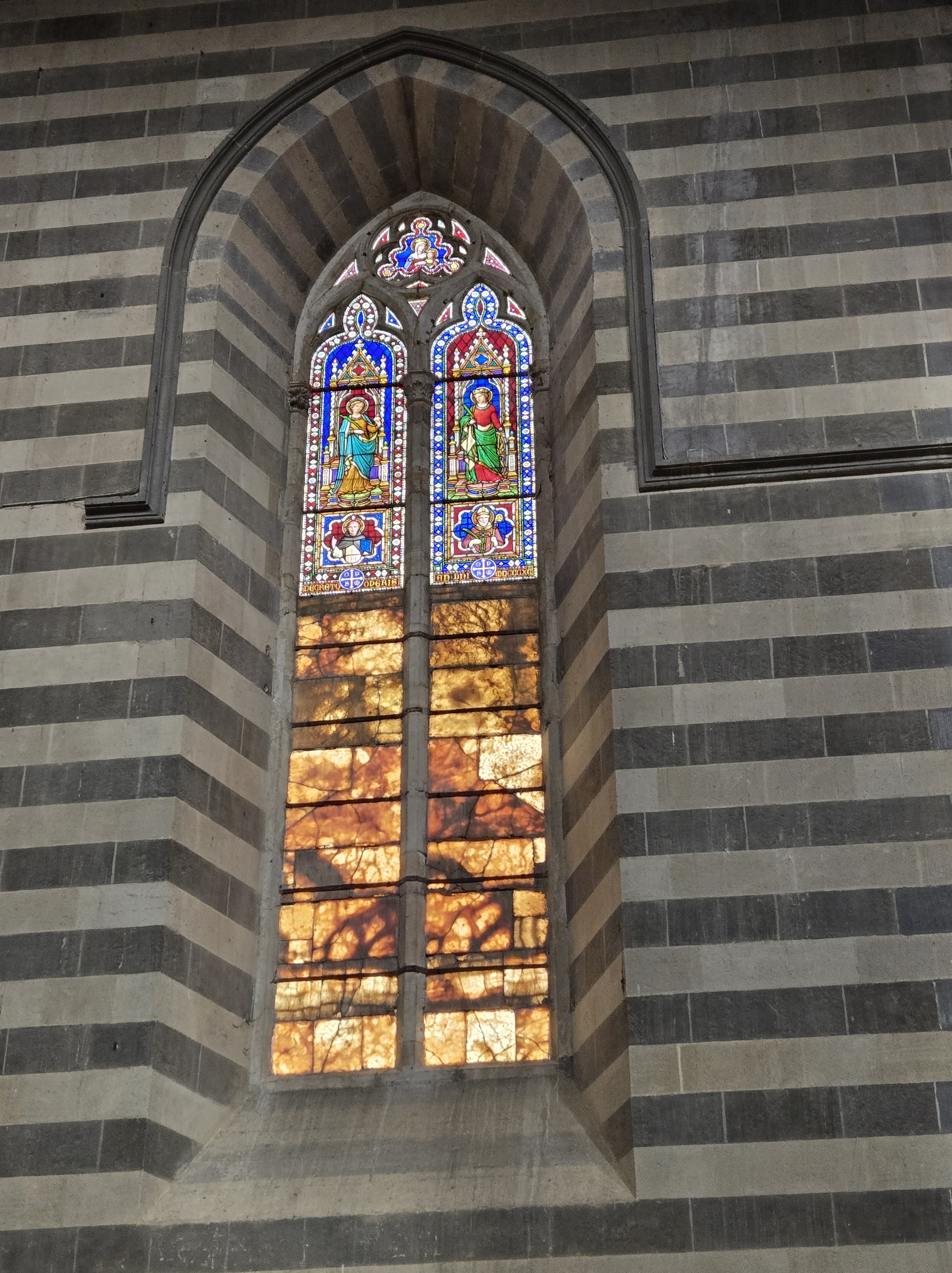
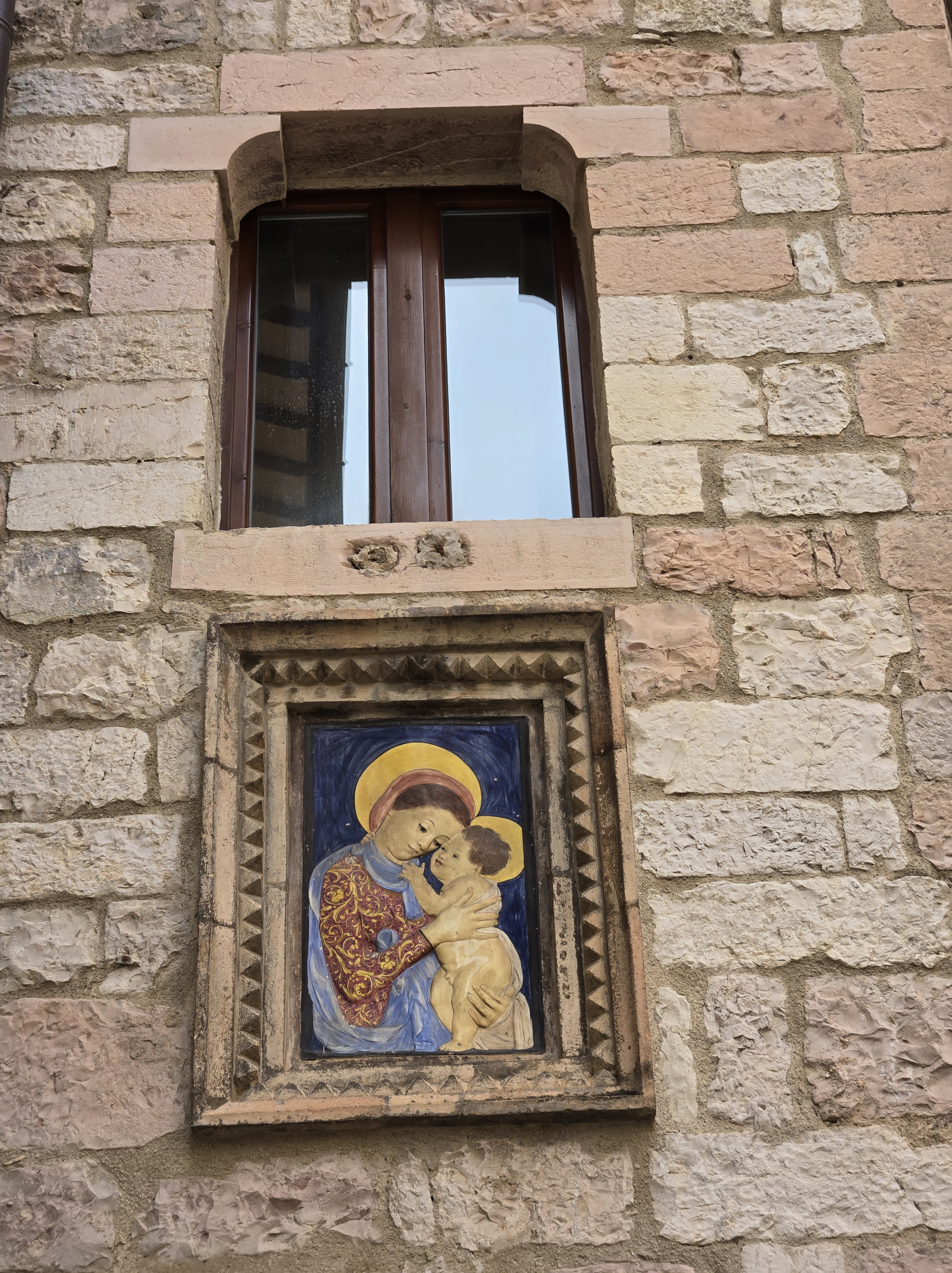
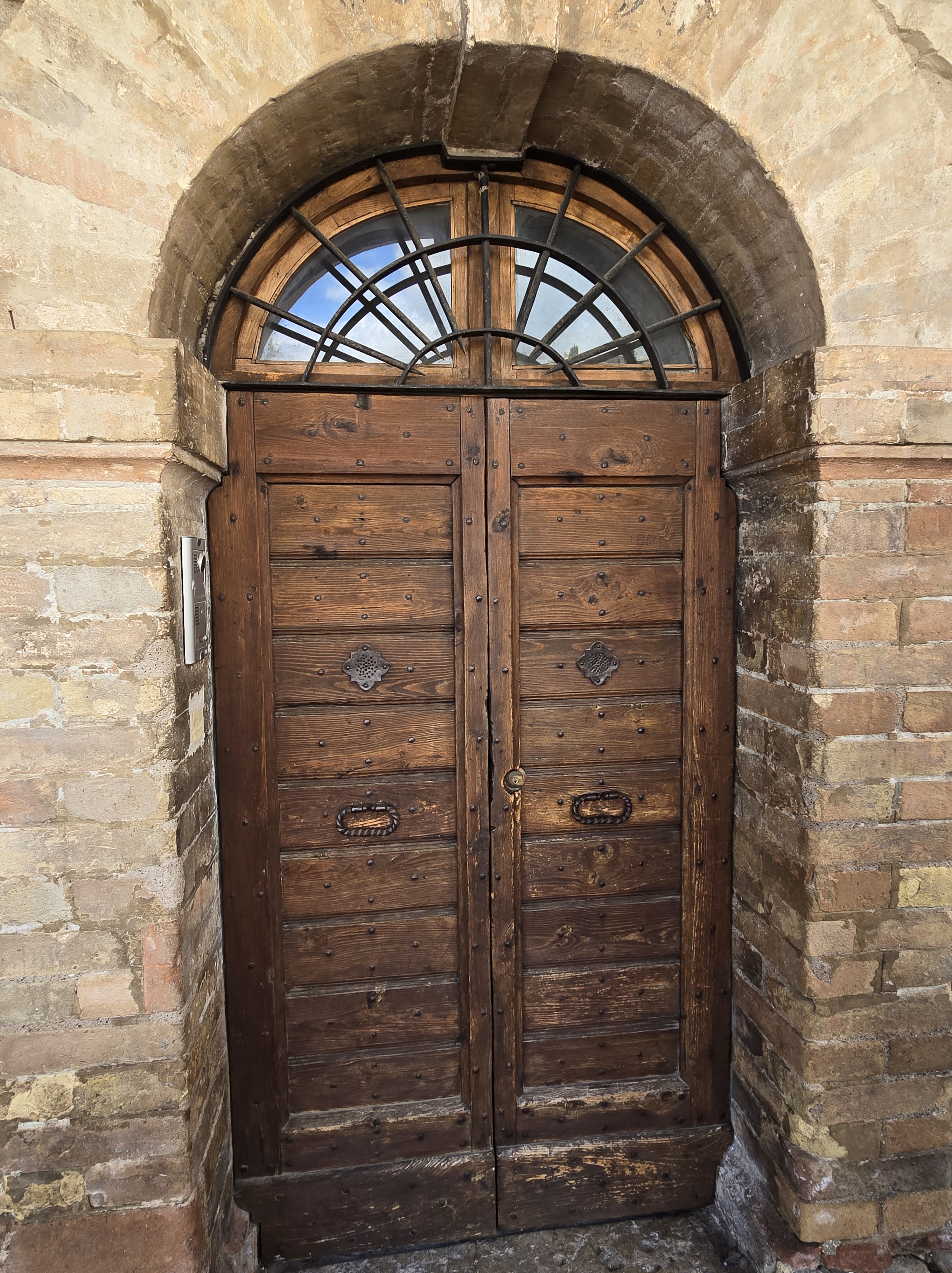


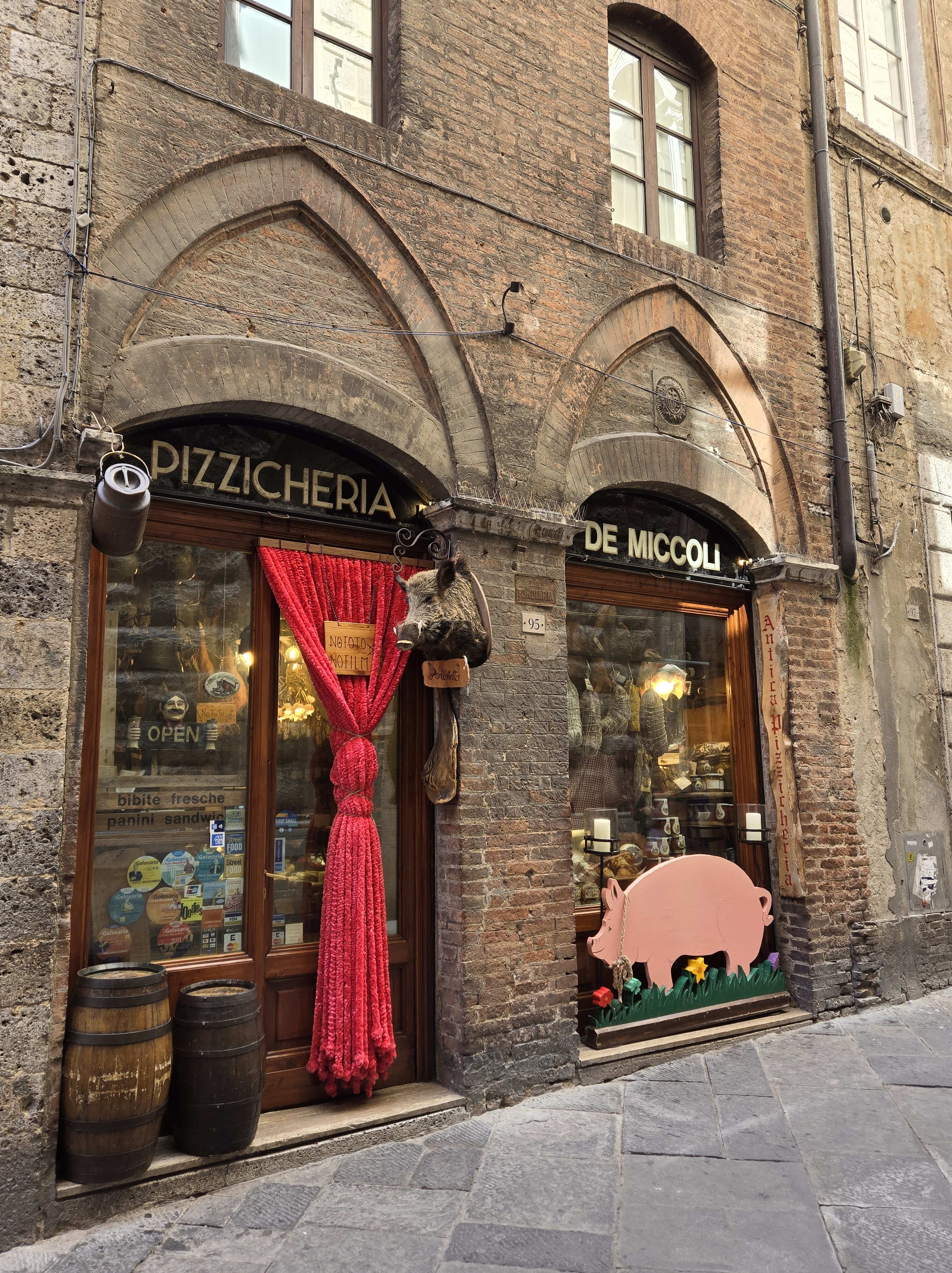




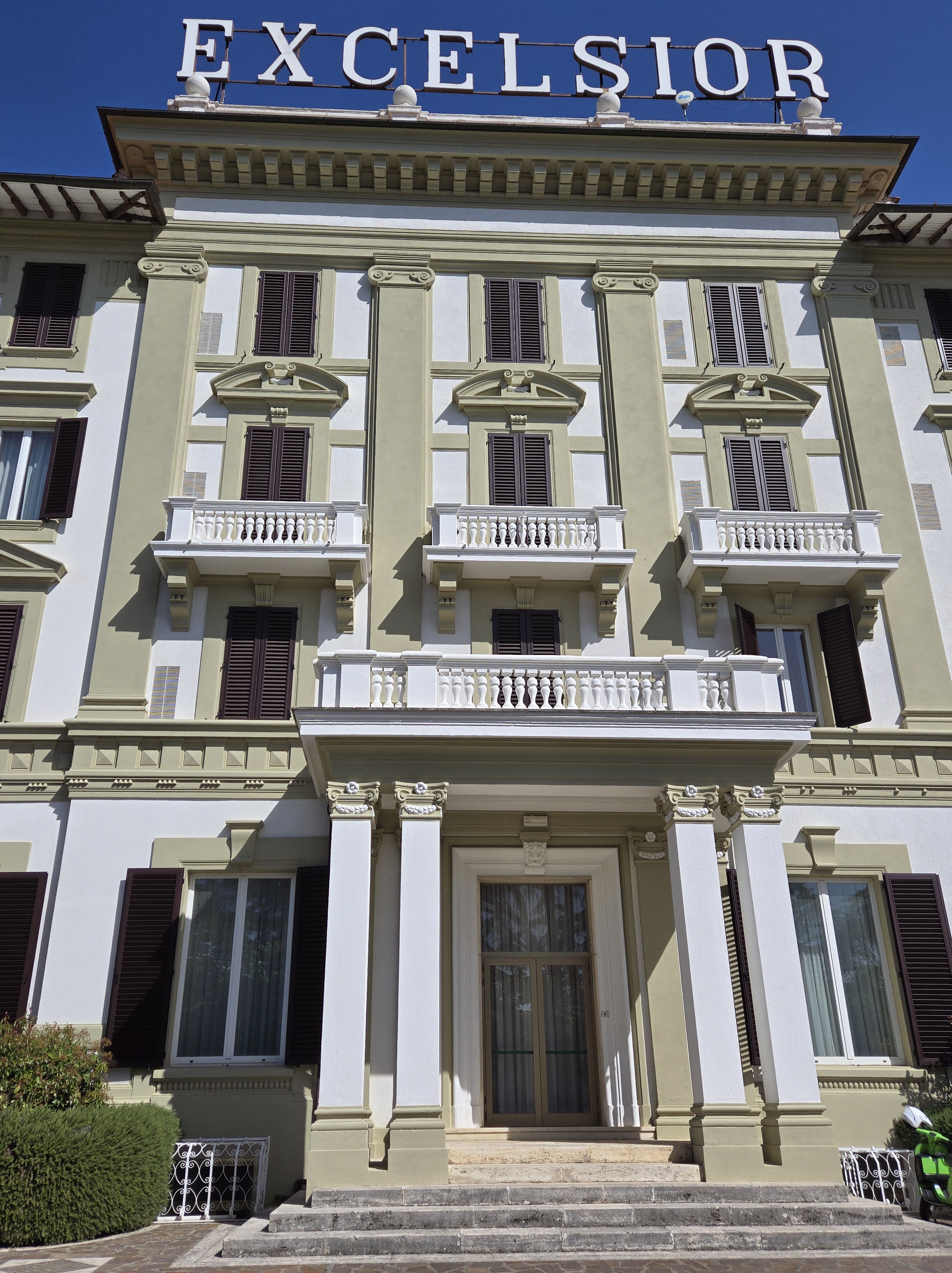


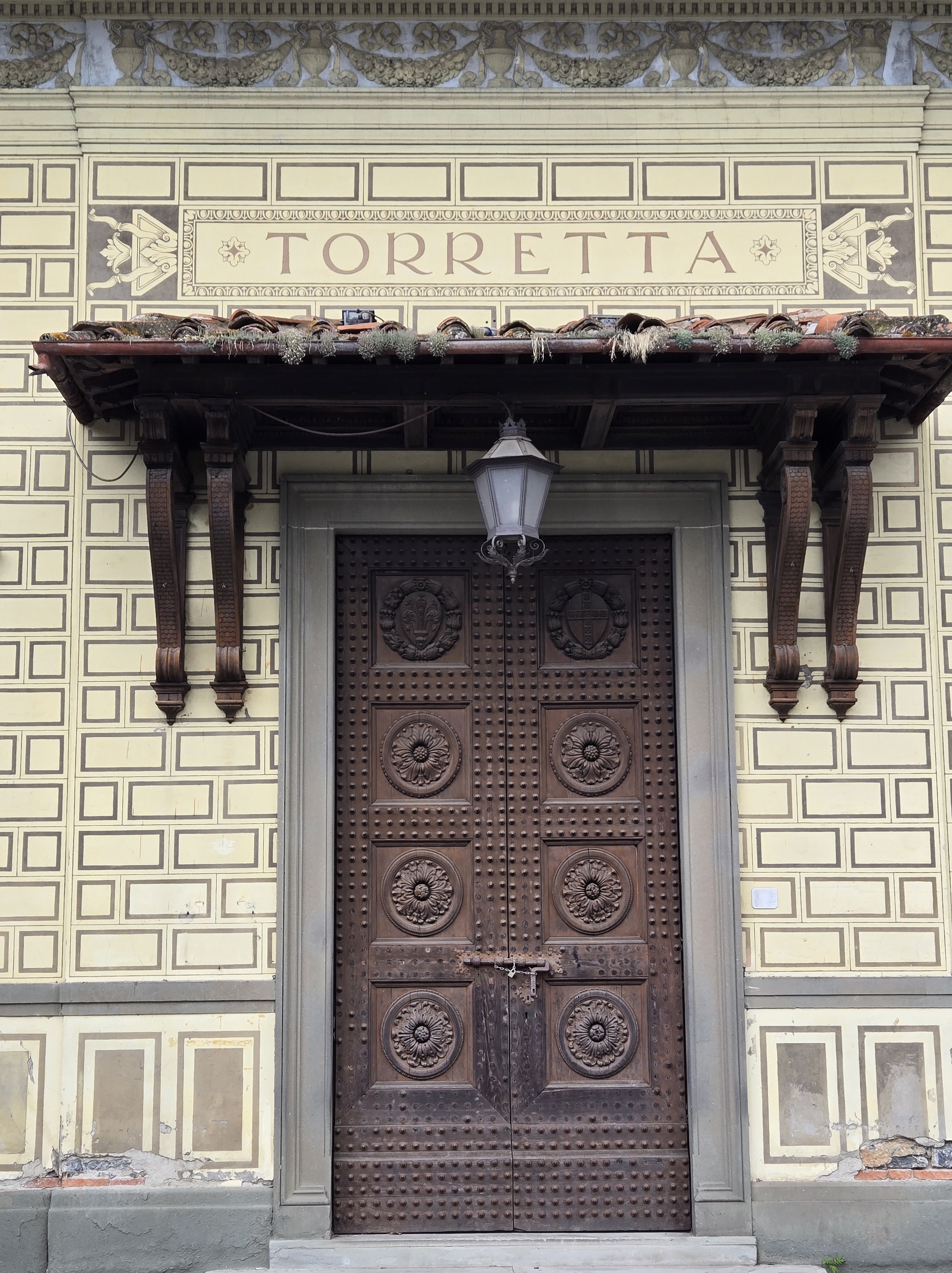


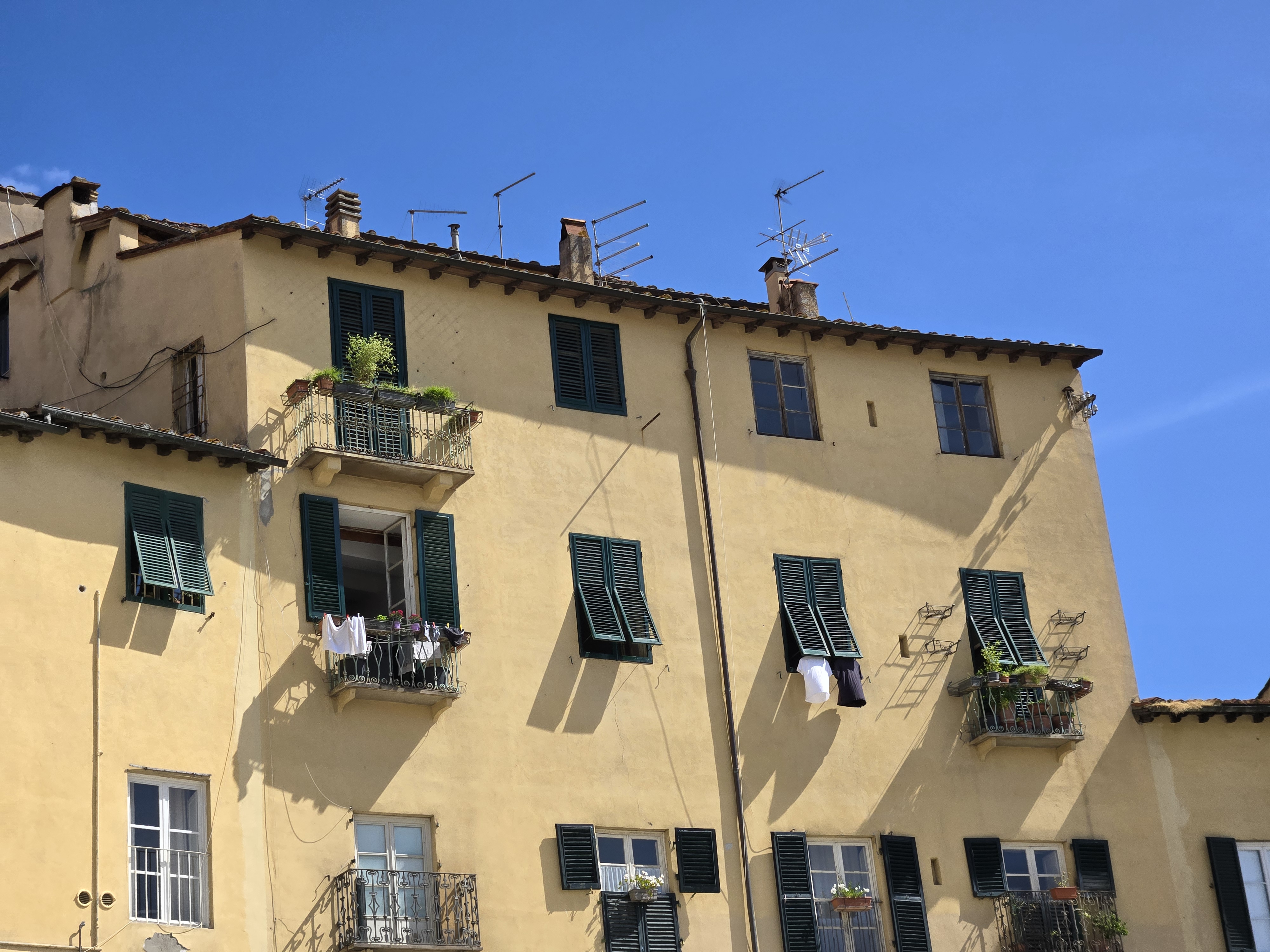

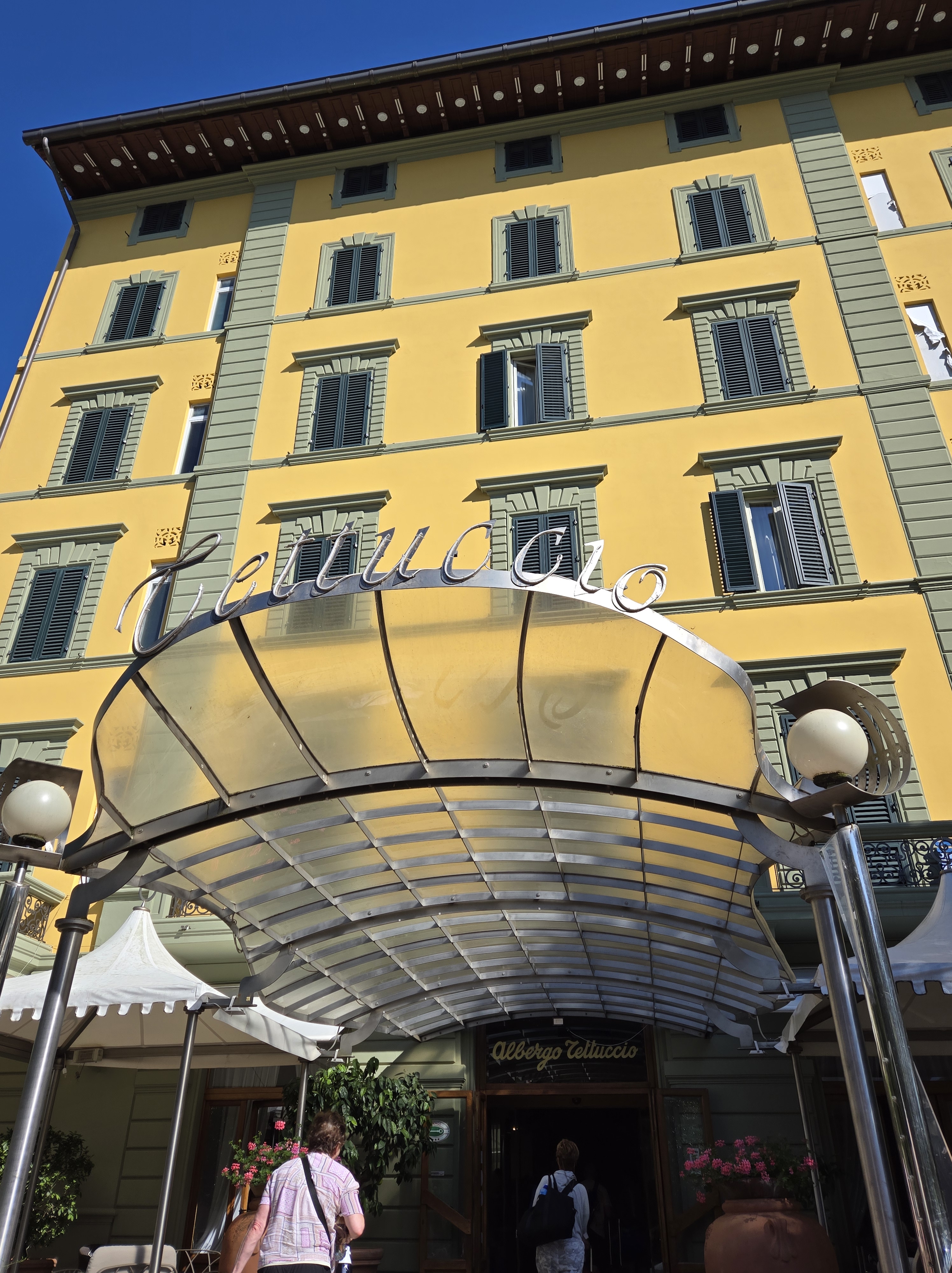
I think we’ll all agree that it is time to close the windows and doors.
Ciao for now.
With all due respect,
Art Giacalone
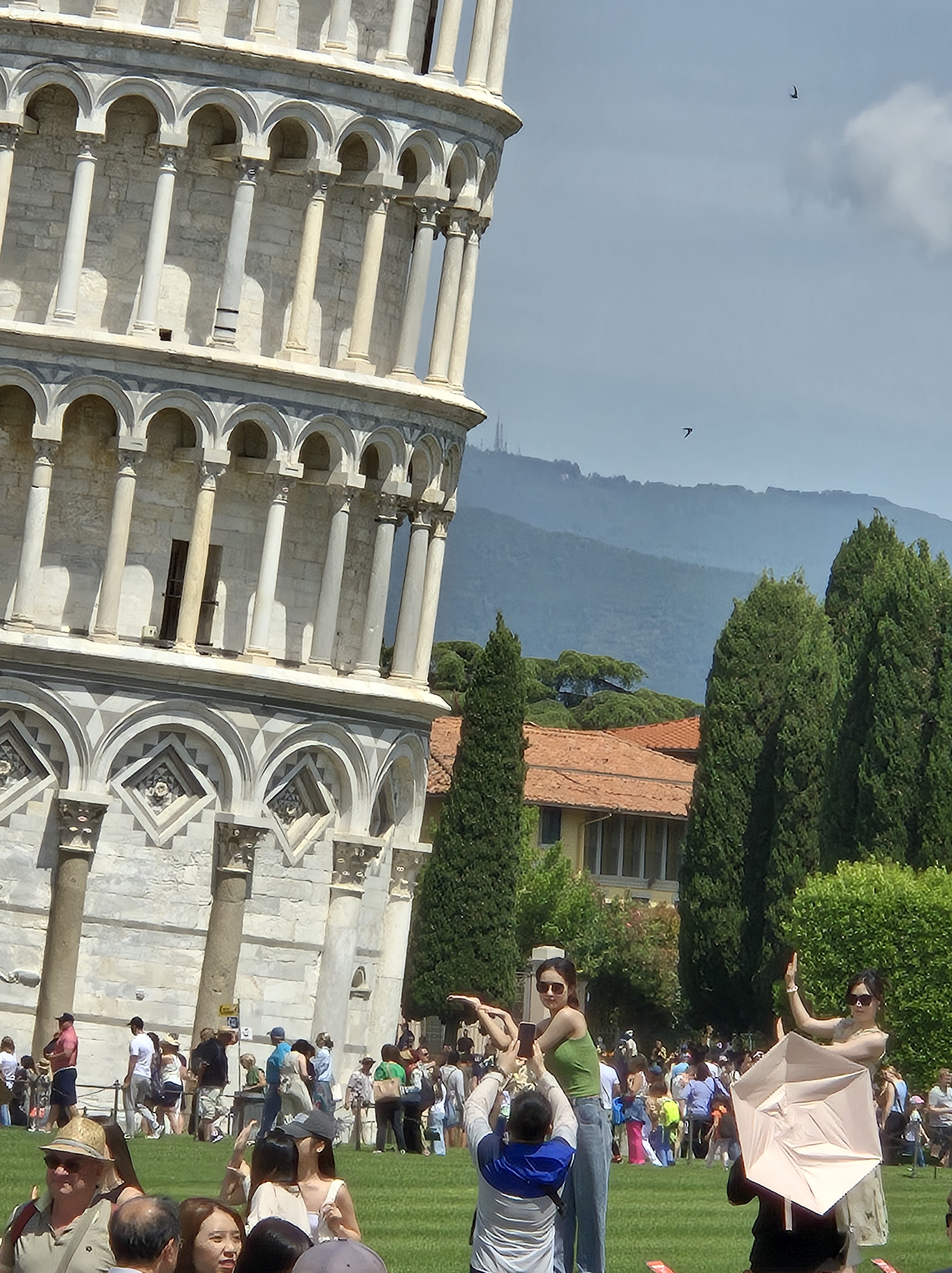
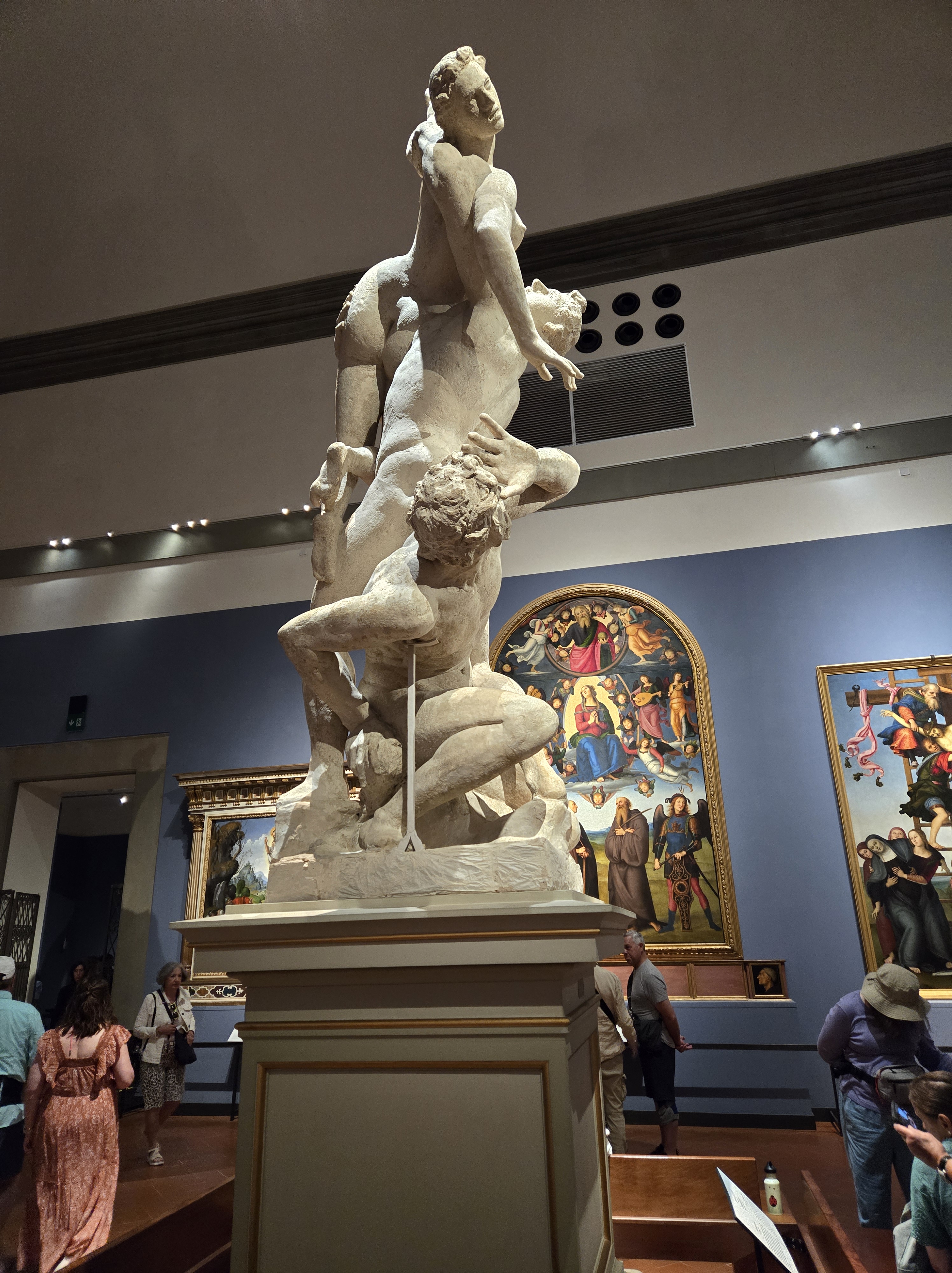
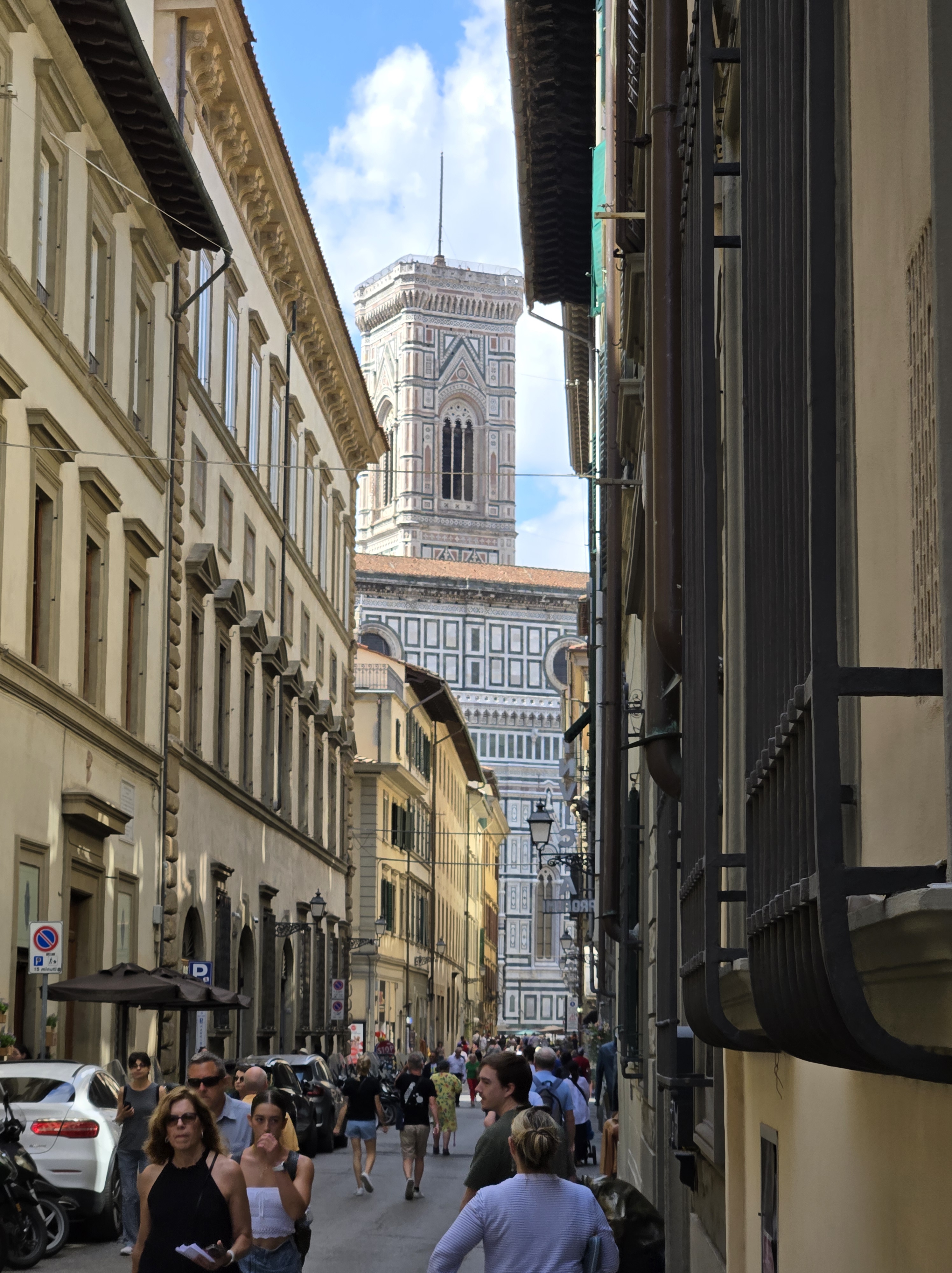
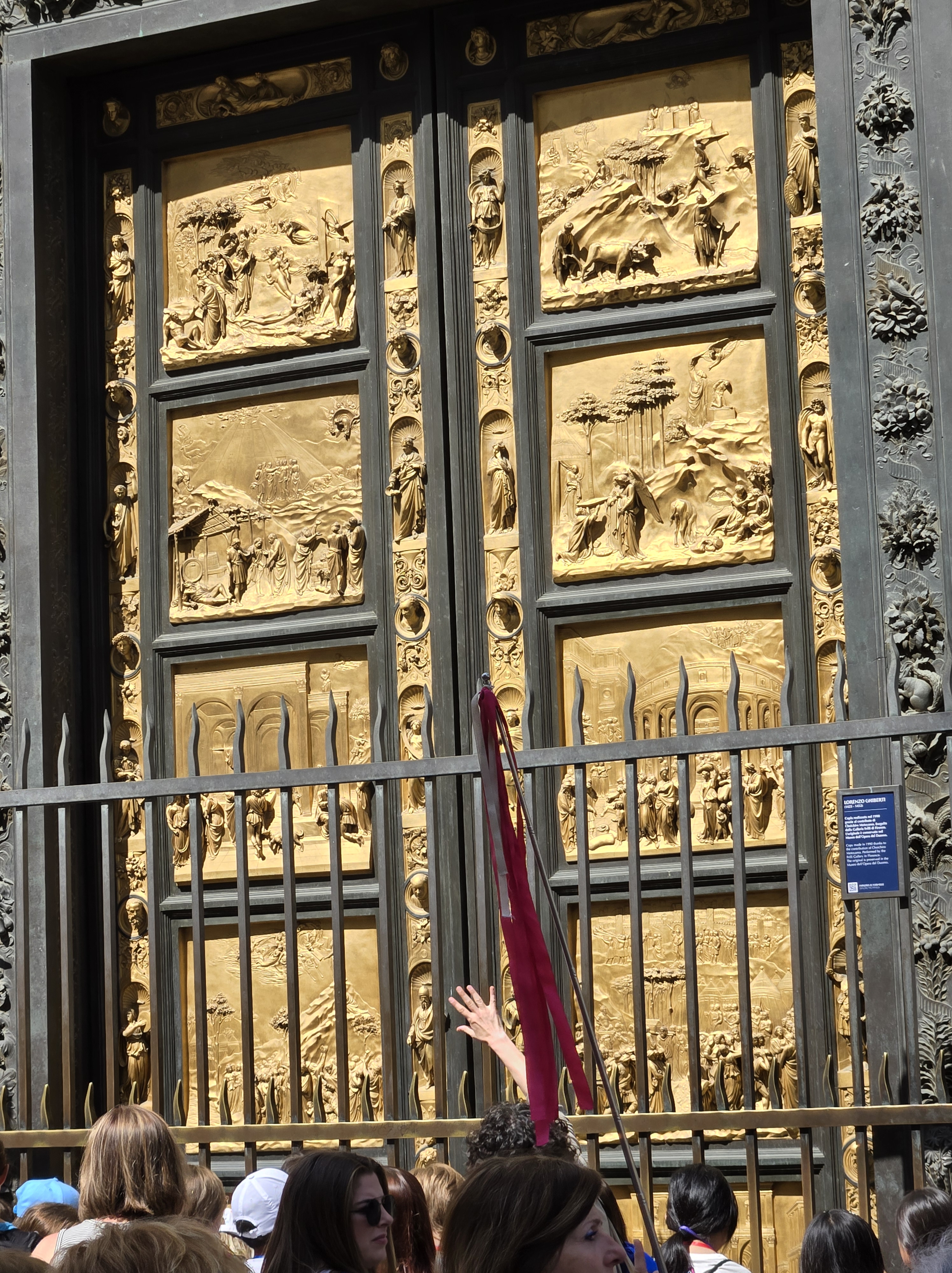
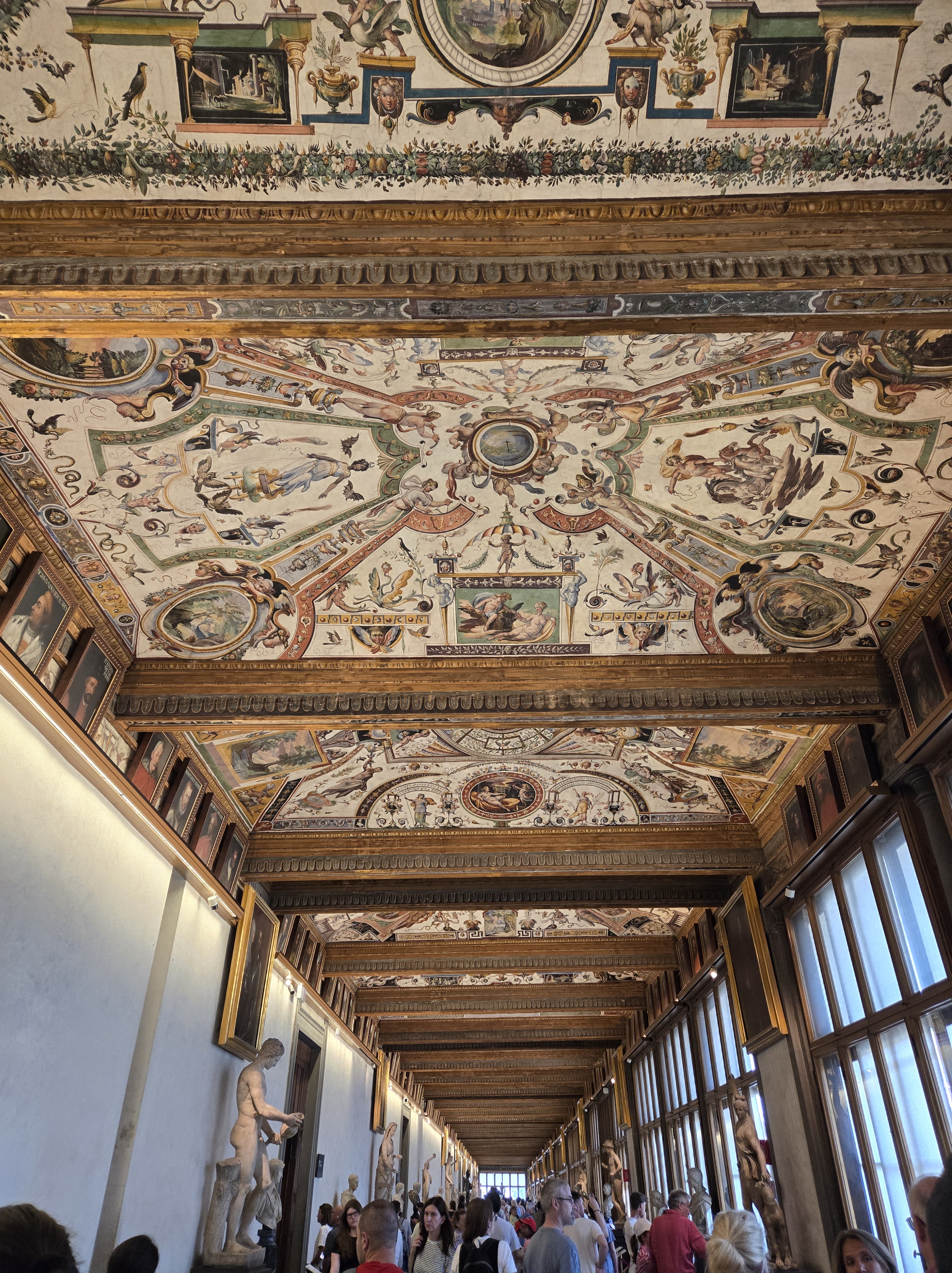
It has been nearly a week since returning to Buffalo from my first-ever trip to Italy, home of my ancestors (my maternal grandparents came to the U.S.A. from Bari, the capital of Puglia, and my paternal grandparents from Sicily). The tour was so concentrated and extensive that I can barely separate my memories or photographs of one village, panoramic view, church, or work of art from another. [The fact that my identical twin brother, David, turns 75 later this year also may contribute to this sad situation.]
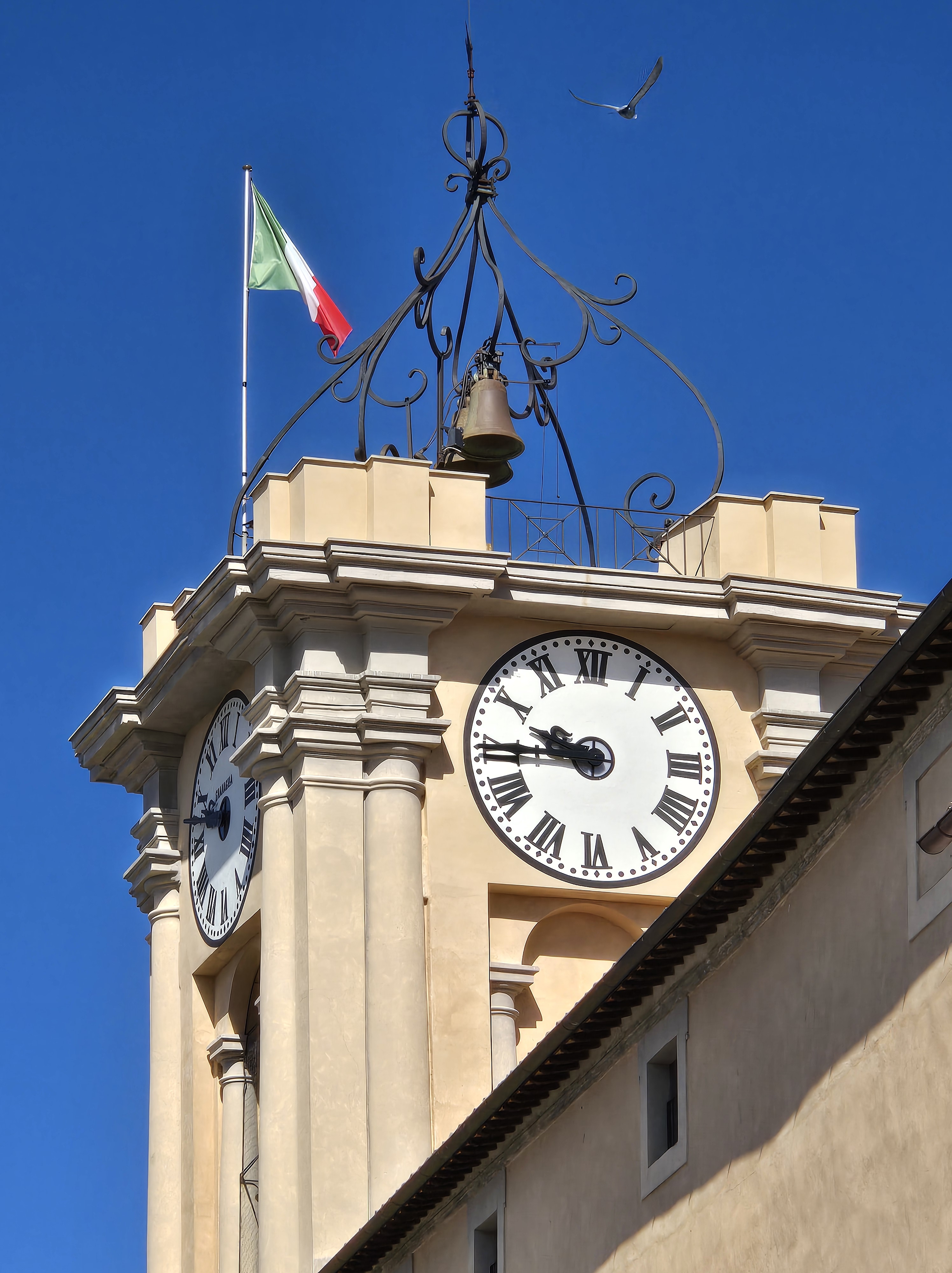
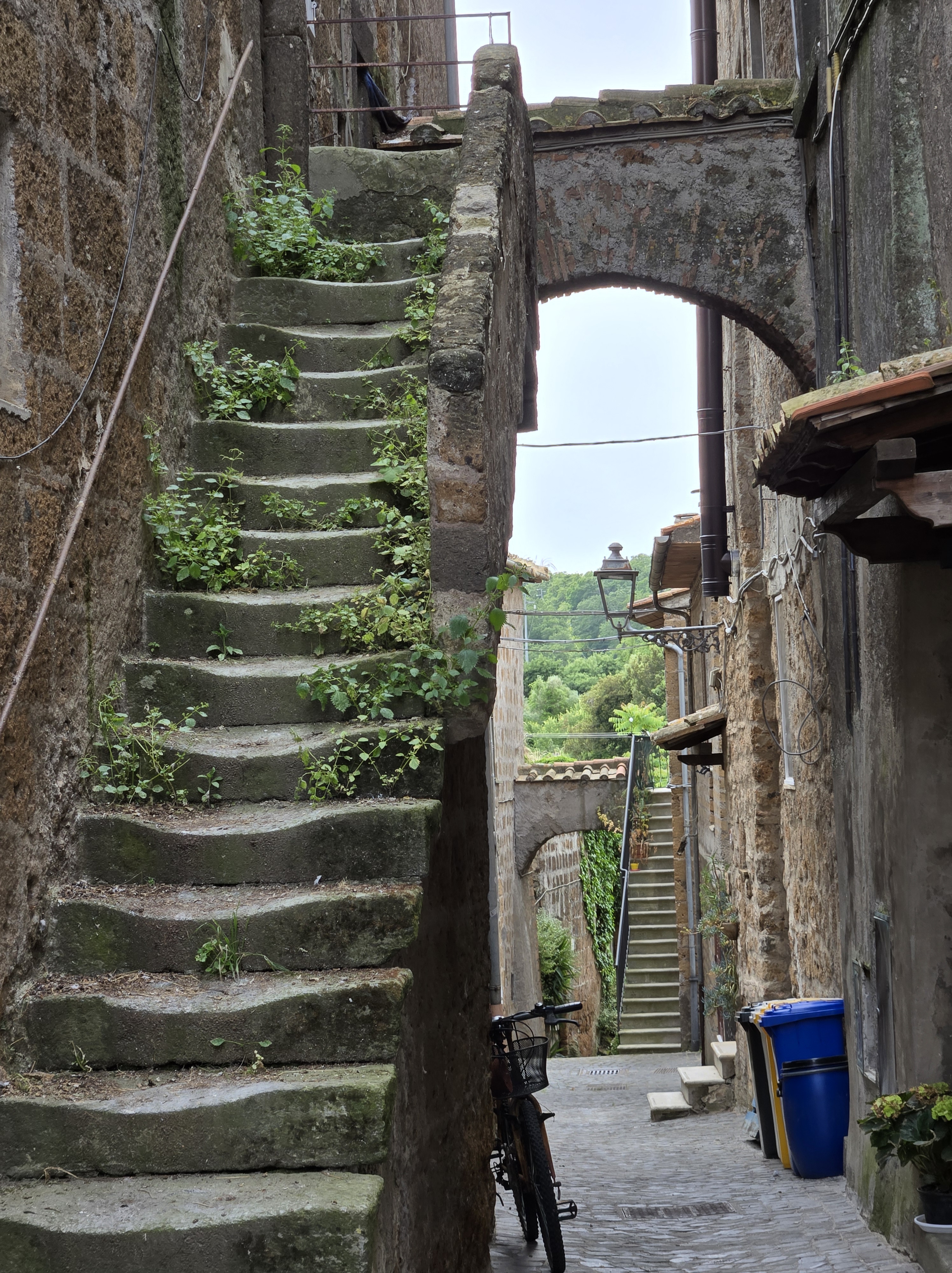
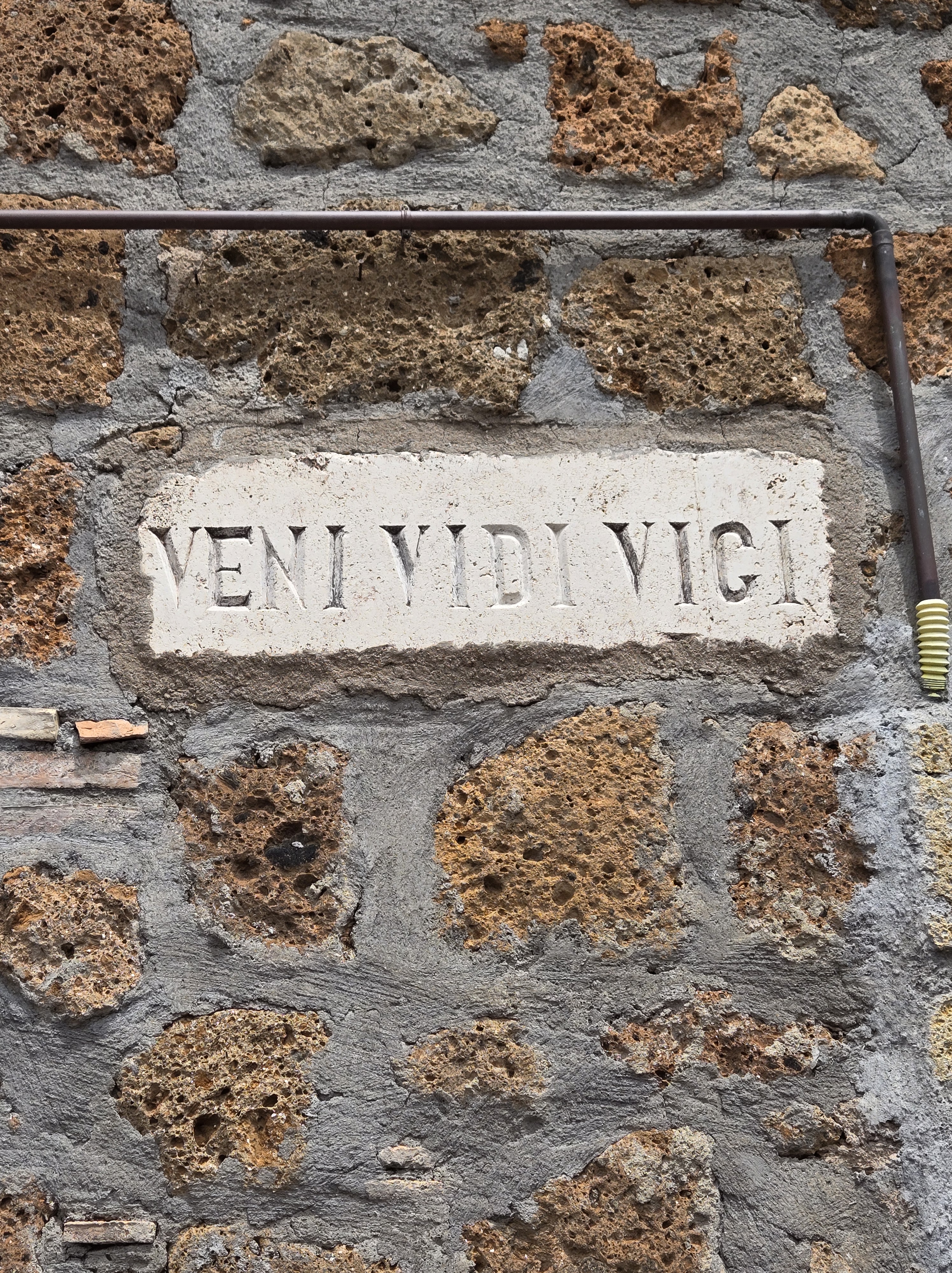
I took somewhere around 960 photos while on my trip. My brother was kind enough to ask me to assemble a manageable number of my favorites, without feeling an obligation to identify location or describe the image. So that’s what I’ll will do in this posting, starting with my first glimpse of Italy from the window of my Boeing jetliner. I hope you’ll enjoy this modest “appetizer.”
With All Due Respect (and humility),
Art/Arthur/Arturo Giacalone












[On May 17, 2024, Right2TheCity included this piece among its “SELECTED MEDIA” posts. I am extremely grateful to its staff for the honor. If you are not already familiar with this informative publication – with the motto “A battle cry to remake the city in our own image” – I recommend that you check out its policy declaration.]
Yesterday, May 14, 2024, was the second anniversary of the horrific events at the Tops Supermarket on Jefferson Avenue in Buffalo, New York. (See 10 dead in Buffalo supermarket attack police call hate crime | AP News.) Many solemn words of remembrance have been spoken and written to mark the passing of two years [see, for example, Plans unveiled for memorial honoring victims of racist mass shooting at Buffalo supermarket (buffalonews.com); Tops unveils ‘honor space’ to commemorate victims of 5/14 (buffalonews.com), and, of special note, Sean Kirst’s 2 years after Buffalo shooting, he can still see every face (buffalonews.com)]. And images of the ceremony officially dedicating Tops Markets’ 5/14 “Honor Space” can be found online. (See, for example, Photos: The dedication of the 5/14 Honor Space (buffalonews.com).)
The aim of this posting is a modest one, to take a closer look at the signage and elements that comprise the “Honor Space”, and to provide links with some background information on the artists who contributed to the memorial.
My remarks will be kept to a minimum.
Here’s the description provided by the “friendly” corporate sponsor, Tops Markets:
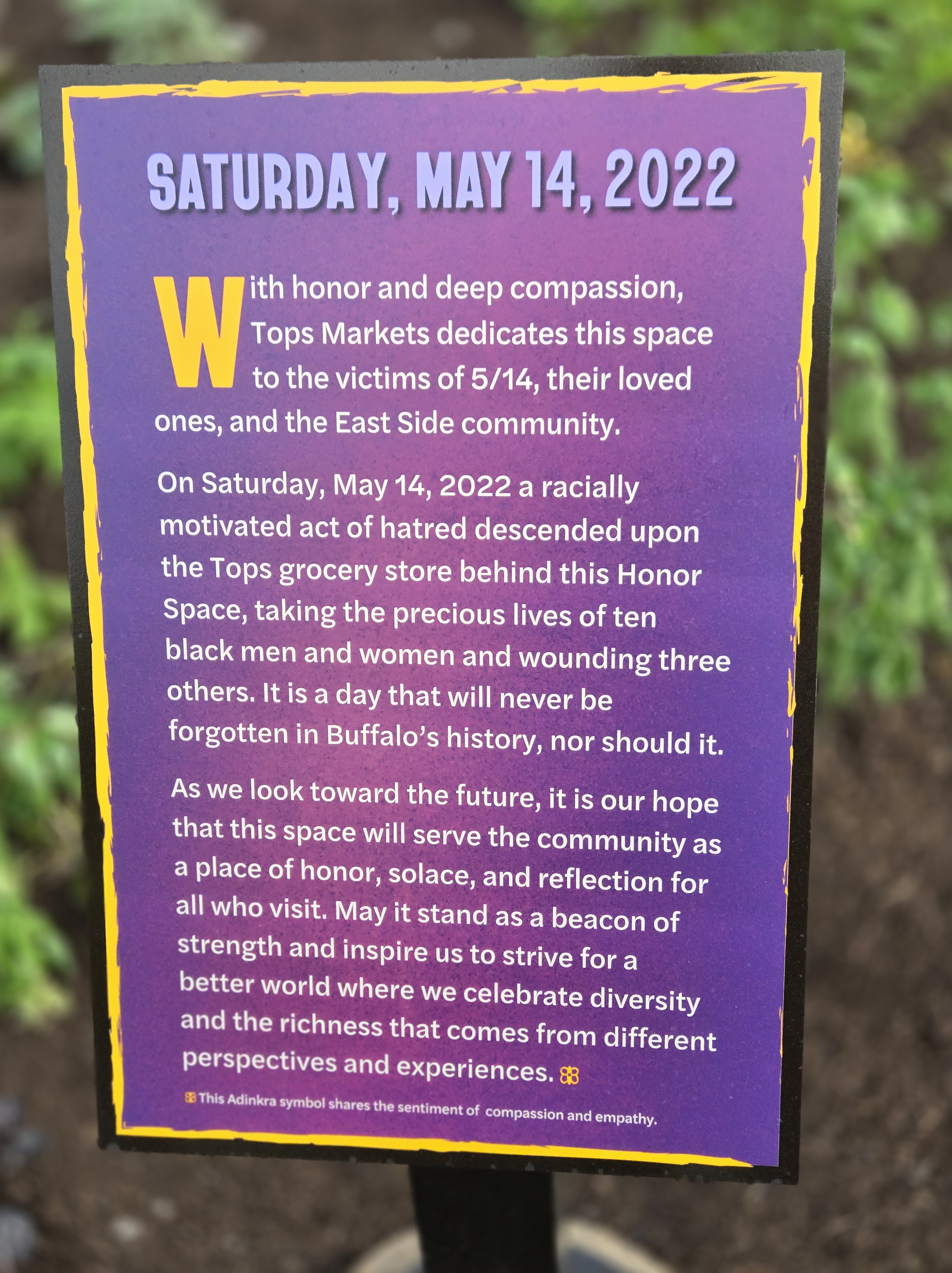
And the poetry, entitled “Fortress of Peace”, by the City of Buffalo’s 2024 poet laureate, Aitina Fareed-Cooke:

And a sign describing the history of a World Trade Center seedling, and an image of the youthful tree:
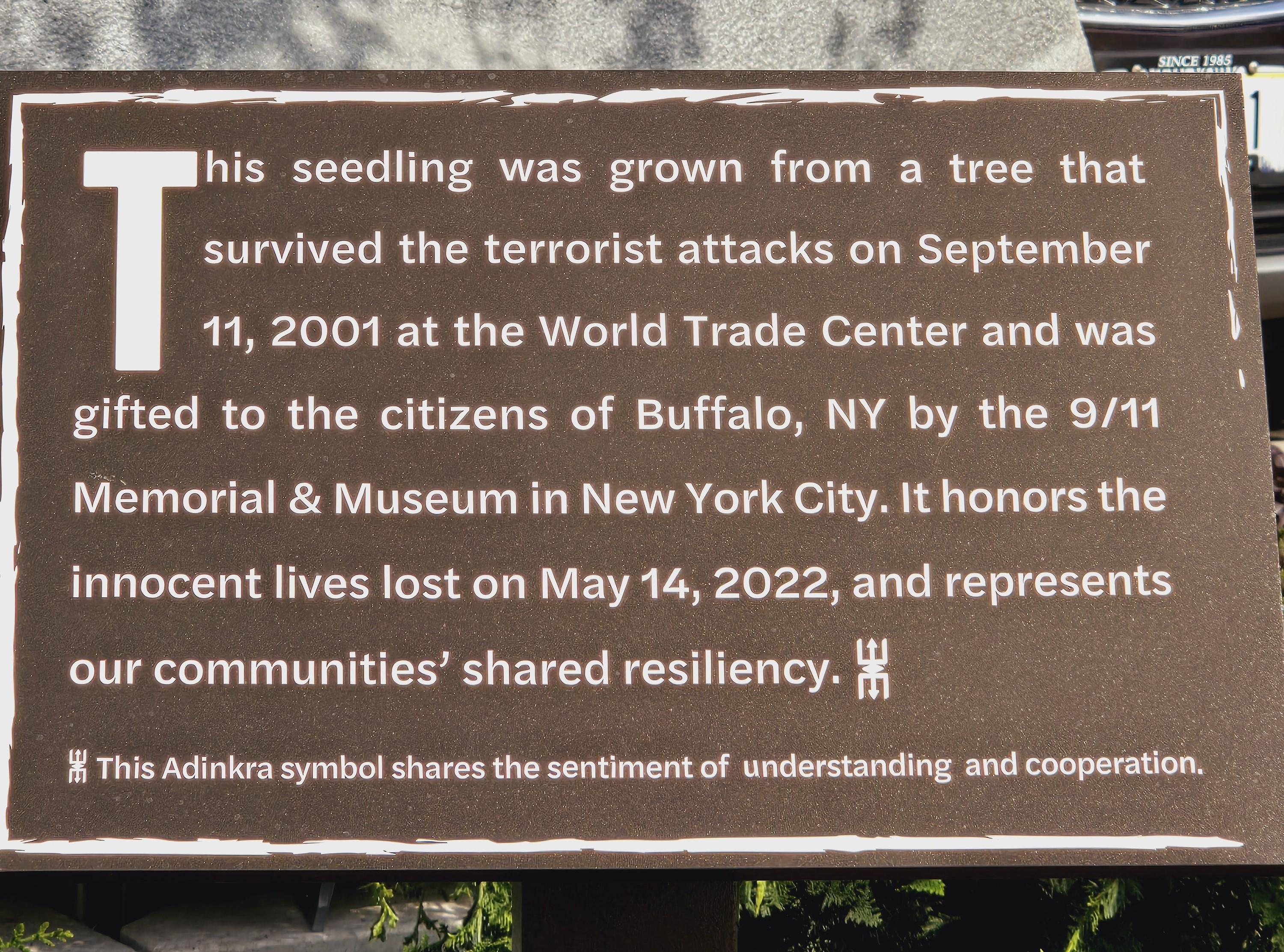
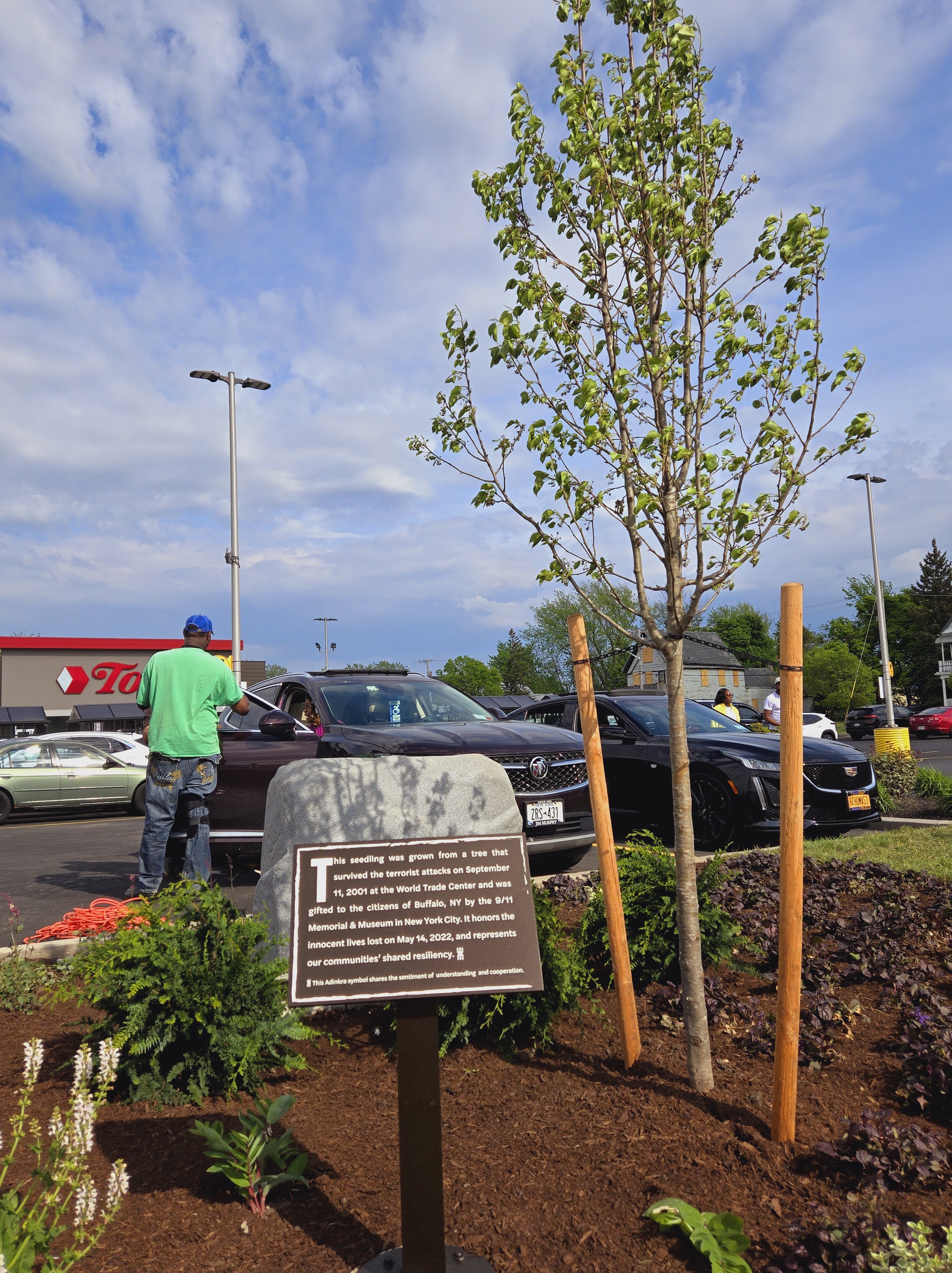
Here’s one of ten granite bollards that represent each of the community members who lost their lives on May 14, 2022 [note: you may wish to watch “This American Experience” broadcast from August 2022 for a more personal narrative on the lives of the 5/14 victims: Name. Age. Detail.]:

Throughout the “Honor Space” one will see various Adinkra symbols (some too small for my aging eyes to fully appreciate), each one expressing a sentiment or concept. The symbols originated from the Gyaman people of Ghana and Côte d’Ivoire. Here is a link to information on Adinkra symbols.
The mother and son team, Valeria Cray-Dihaan and Hiram Cray, contributed the stunning “UNITY” sculpture:
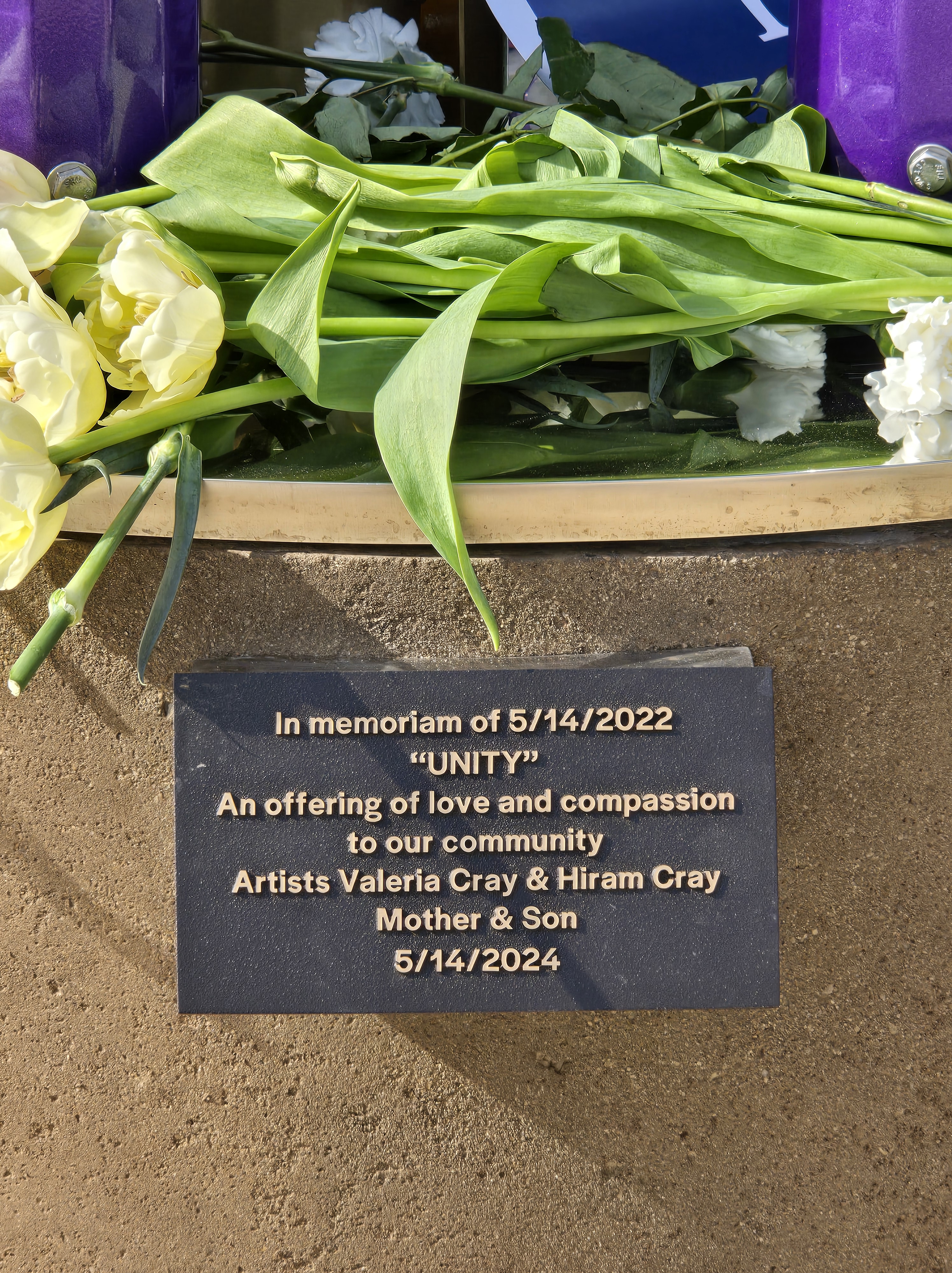

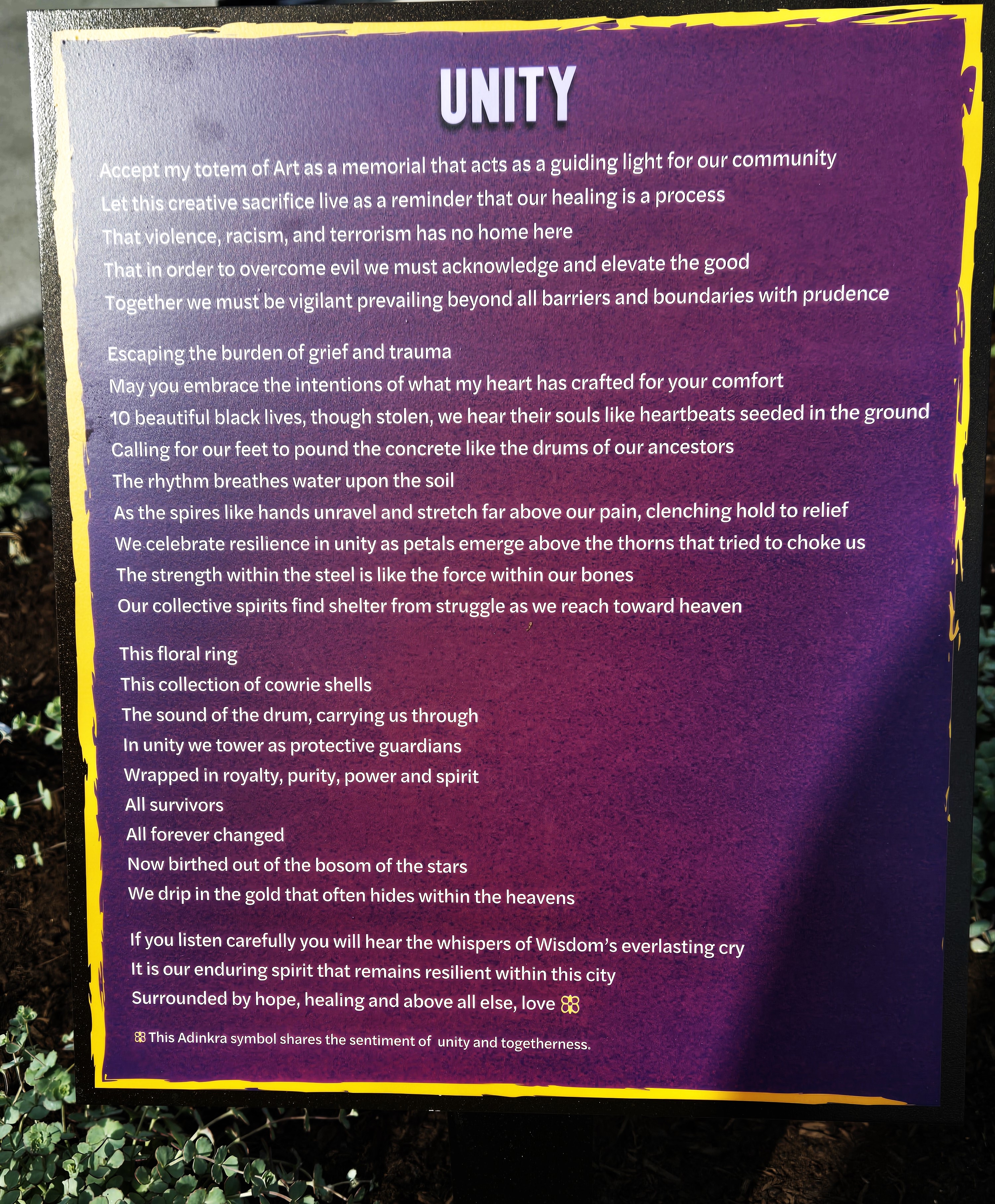
I apologize for the poor quality of the “UNITY” sign that follows, and my uncertainty on whether the words are those of either Valeria or Hiram Cray (or of another artist). I look forward to modifying or expanding this post when I receive clarification:
I’ll end this posting with a photo – from a distance – of several visitors to the Honor Space the afternoon of May 14, 2024 (that I hope adequately protects their privacy):

With all Due Respect,
Art Giacalone
P.S. On May 13, 2024, NY Governor Kathy Hochul and other dignitaries unveiled a rendering of a proposed permanent memorial to the ten human beings who tragically lost their lives on May 14, 2022. Here’s the rendering: Rendering of proposed 05-14-22 memorial. Neither the source of funding, nor the location for the memorial, has been identified.

 With All Due Respect