I wasn’t planning to insert in this posting the link and image above – “The Dream/It’s Time” from jazz percussionist Max Roach’s “Chattahoochee Red” album. The number begins with Martin Luther King, Jr.’s “I have a dream” speech in which MLK yearns for a nation that joins together to create “a beautiful symphony of brotherhood.” It is an ironic phrase to hear on a day where my conflicted nation will witness Donald Trump’s return to the White House as its President.
Unplanned as it may be, I will begin and end this post with the Max Roach link. I am not feeling inspired enough today to contribute my own thoughts.
For a variety of reasons – the most important one being the dispiriting experience of the Presidential election campaign – 2024 has not been a productive year for my postings at this site. But I thought I would spend a bit of time on the final evening of this calendar year sharing images taken in and around Ho Chi Minh City (a/k/a Saigon) during the first week of October.
Not having done appropriate research prior to my trip, I was rather surprised by the size and vitality of Ho Chi Minh City [HCMC]. It’s estimated population of 9.5 million exceeds New York City’s by a million-and-a-half, while the median age of its inhabitants is nearly nine years younger than NYC’s. And, in contrast to the Big Apple’s two percent annual decline, HCMC grew by 247,000 in 2024 – a number only ten percent smaller than the City of Buffalo’s current population.
But enough with statistics and demographics. Here are a variety of mages and messages that caught my attention.
This is Vietnam’s tallest building, the 81-story Landmark 81, adjacent to the Saigon River:
A nighttime image at “Times Square” HCMC:
A place to burn joss paper to send to those in the afterlife:
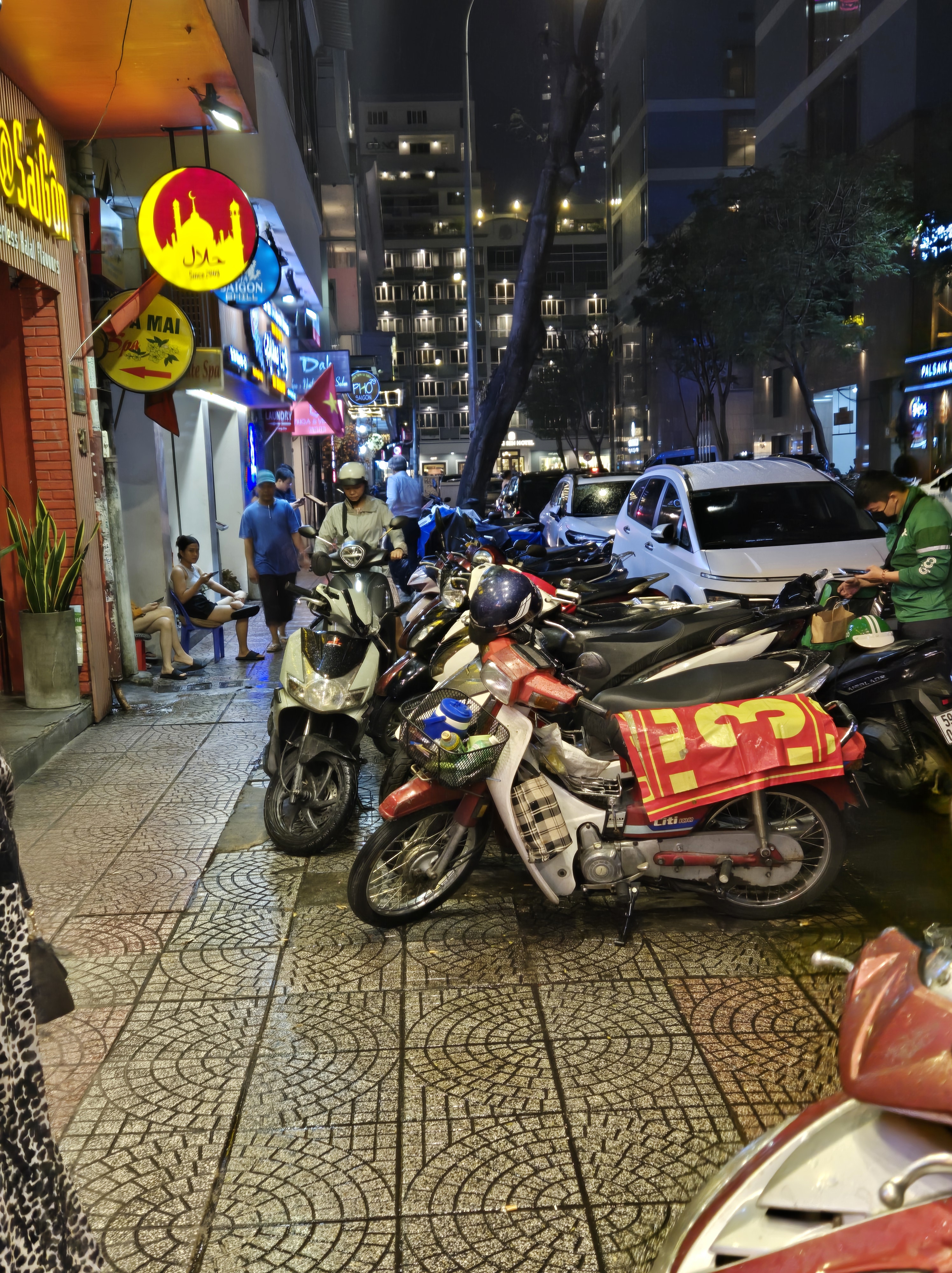
Motor bikes rule the streets and sidewalks:
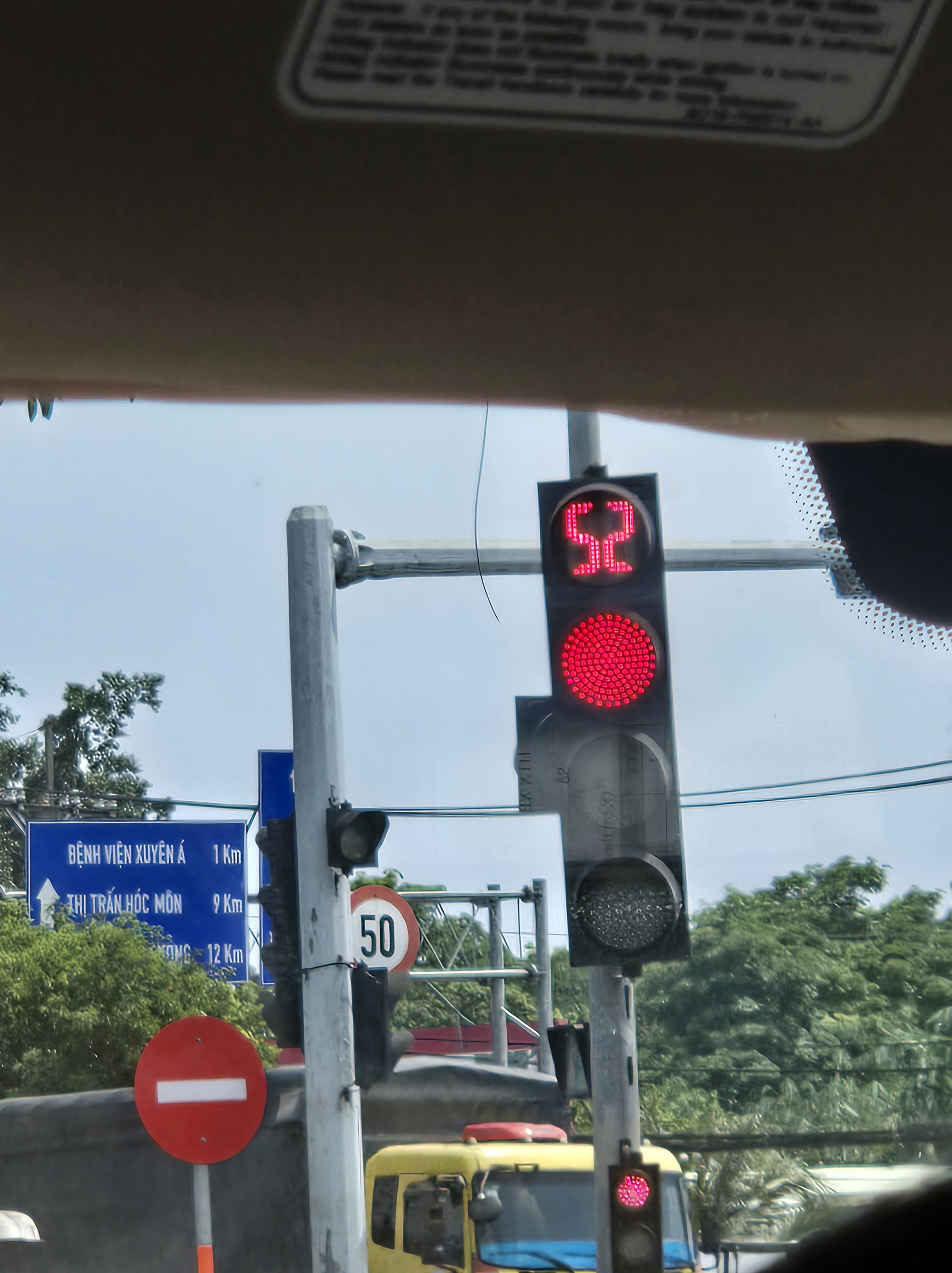
Motorists are assisted by reminders of how many seconds remain when waiting for a red light:
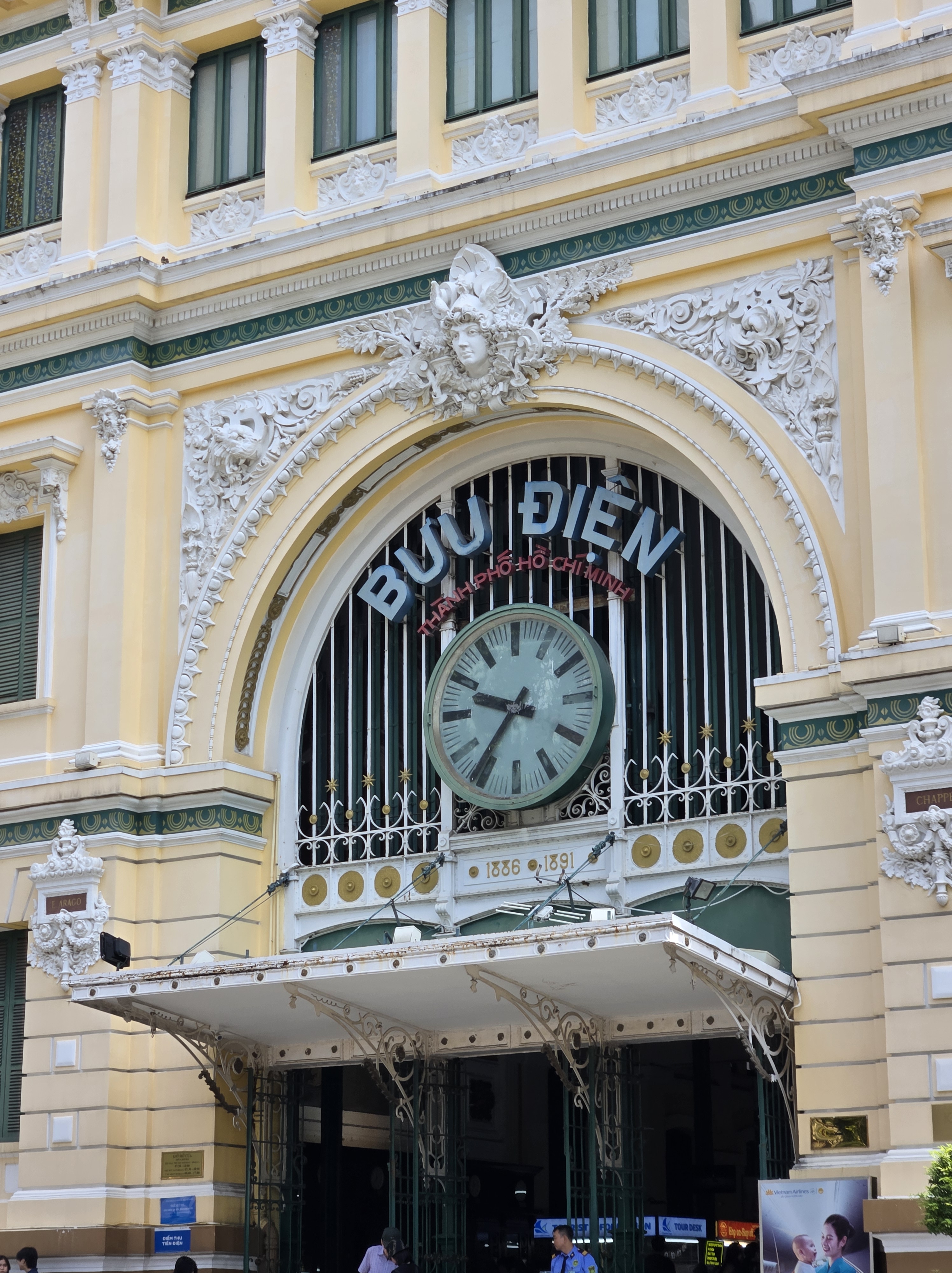
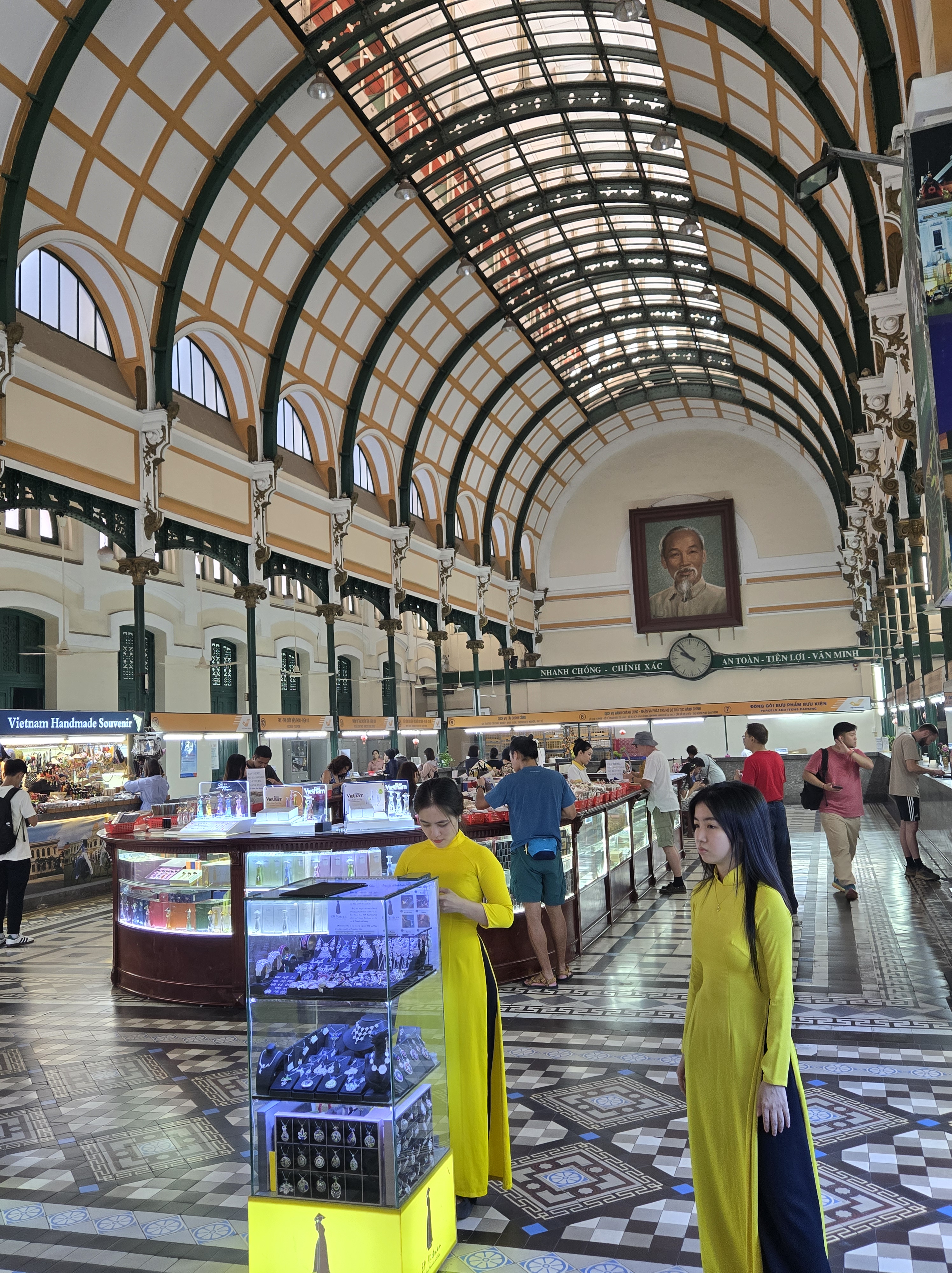
The architecture reflects the many colonizers who occupied Vietnam. For example, here’s the entrance, followed by images from the interior, of the main post office building:
There were plenty of reminders (in addition to the average daily highs of 91 degrees Fahrenheit and nighttime lows hovering near 80 degrees) that I was not strolling through South Buffalo’s Cazenovia Park:
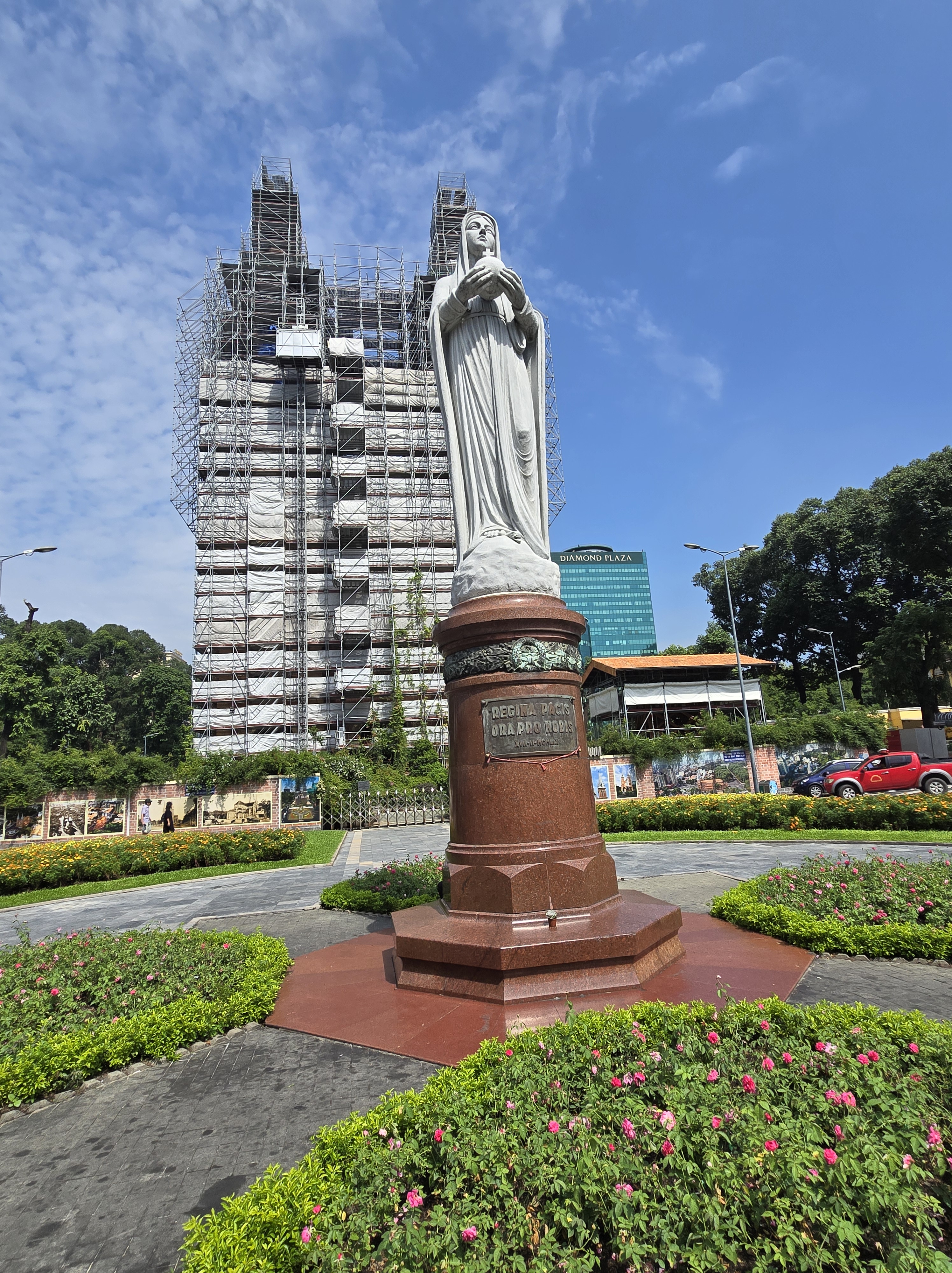
There are numerous reminders that Vietnam is a nation of multiple religious faiths:
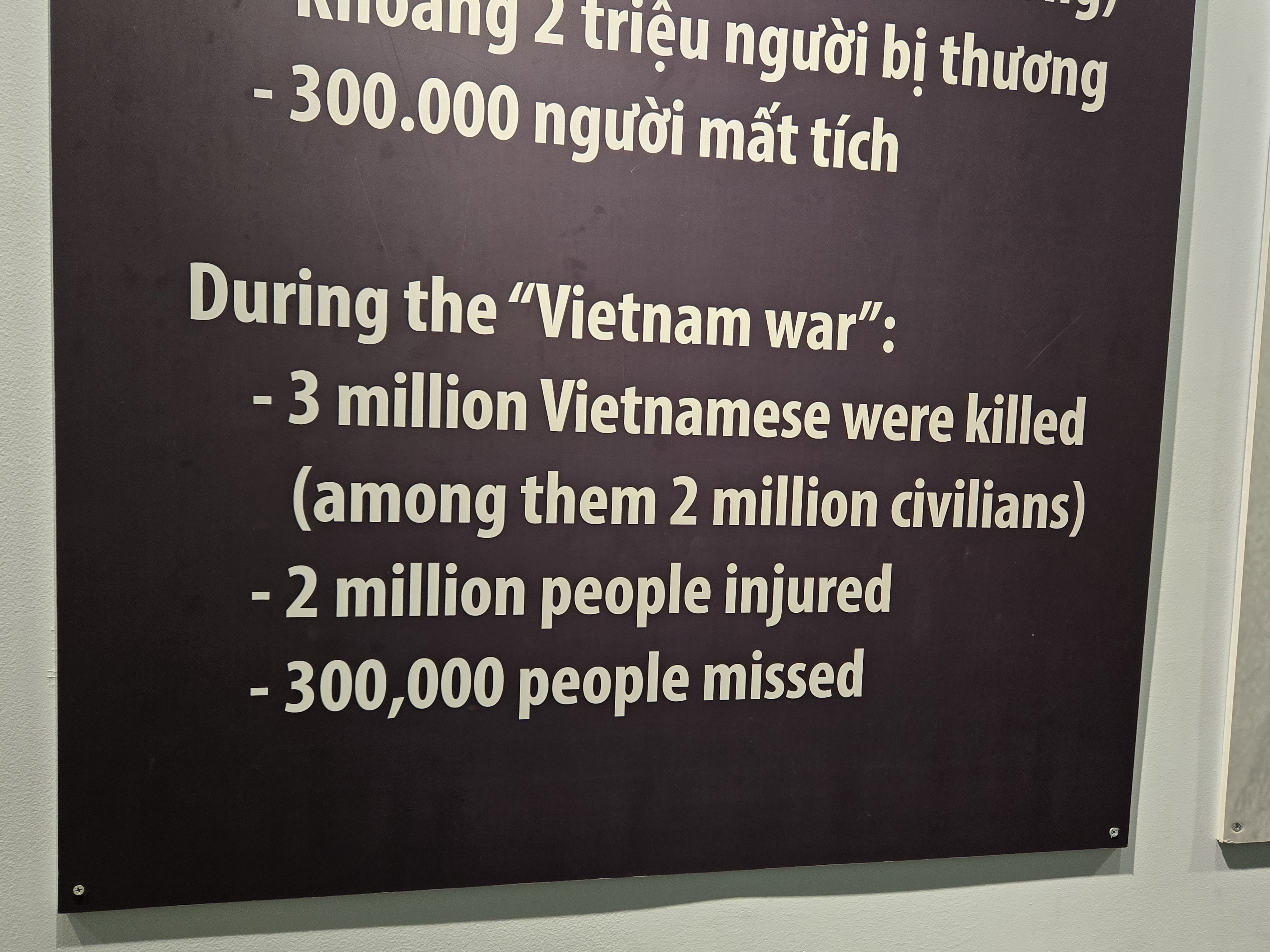
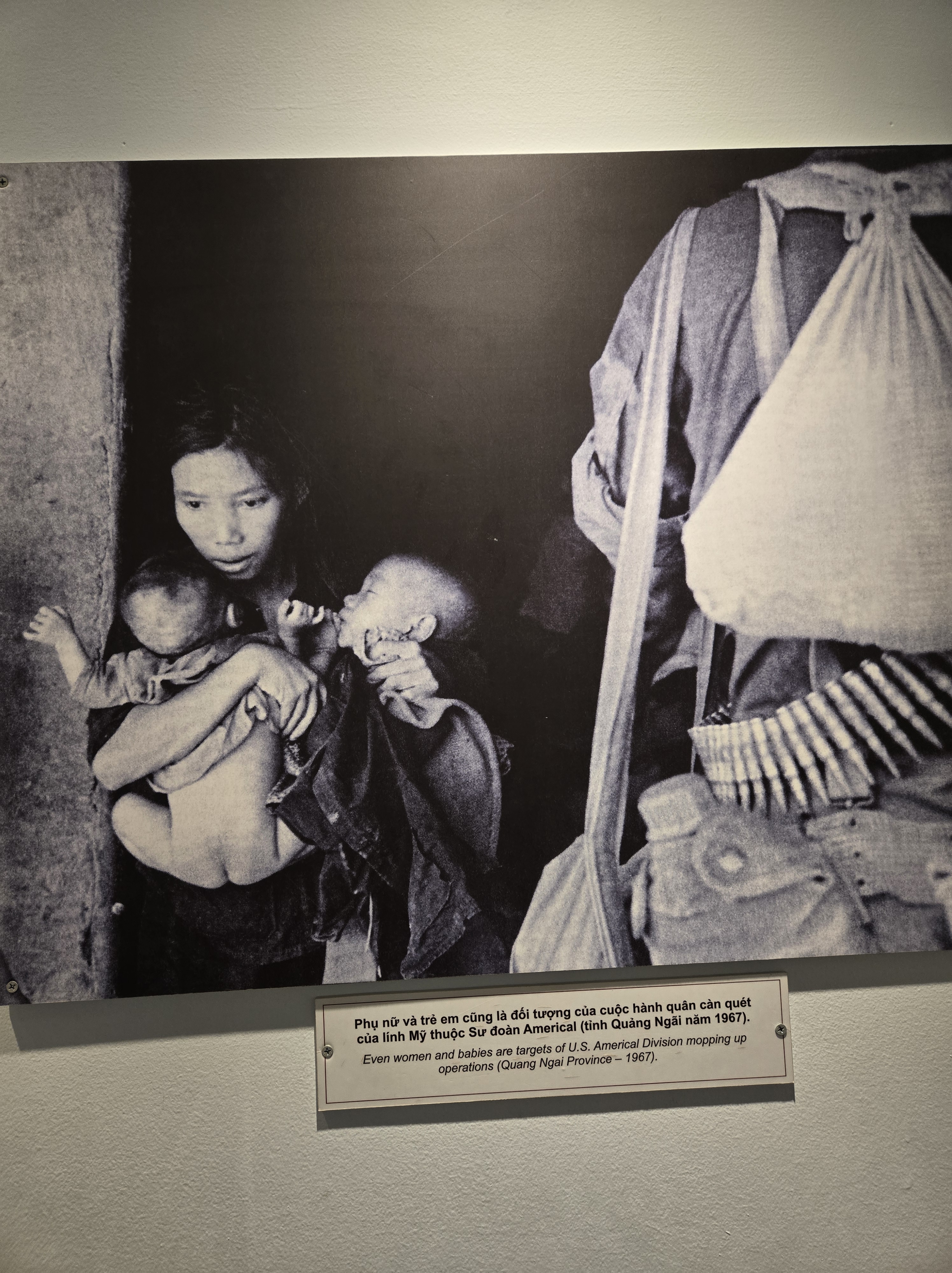
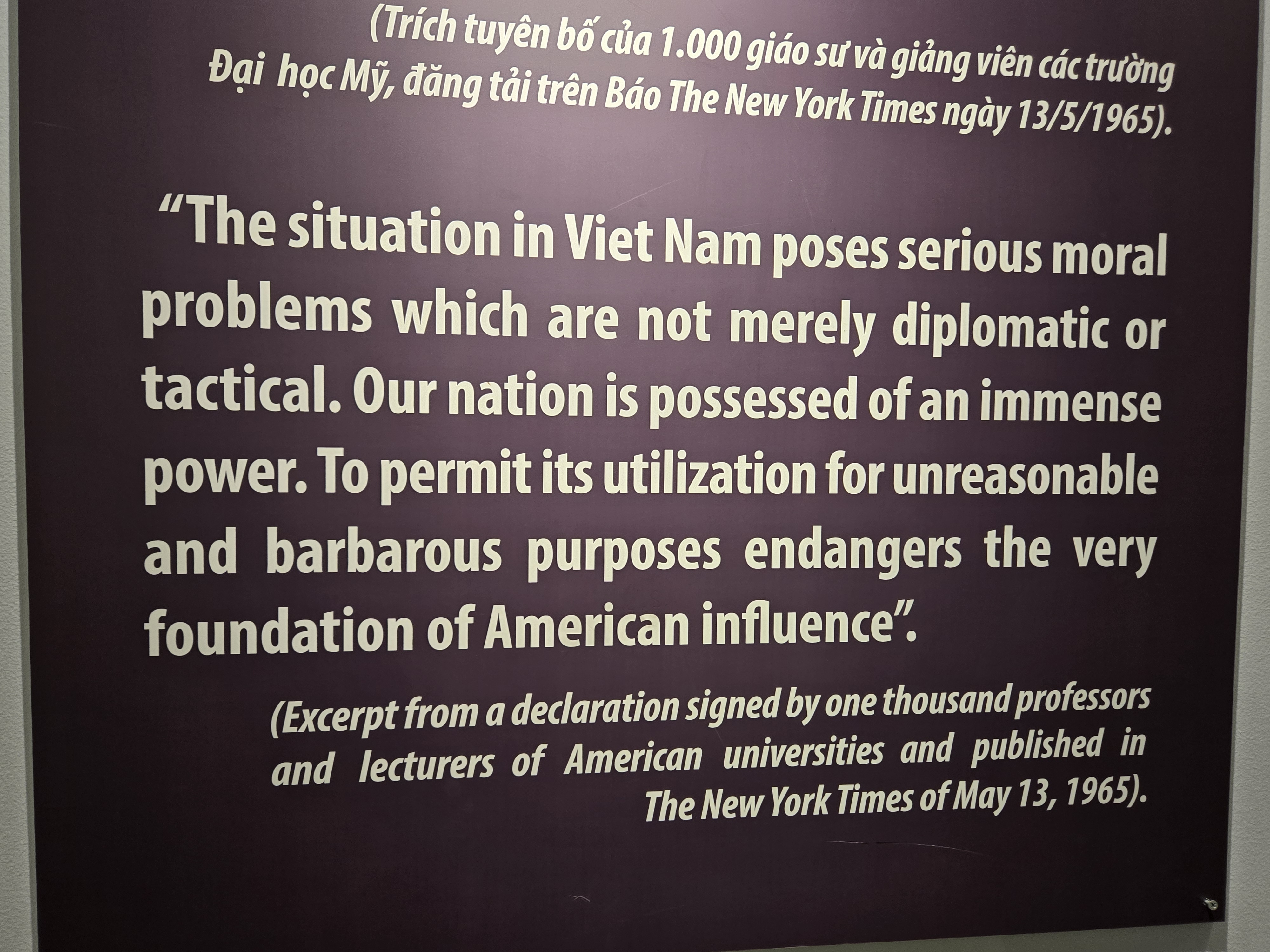
My most lasting memories are of messages that I read and images that I observed at the War Remnants Museum. This institution places the so-called “Vietnam War” into a daunting perspective for its American visitors:
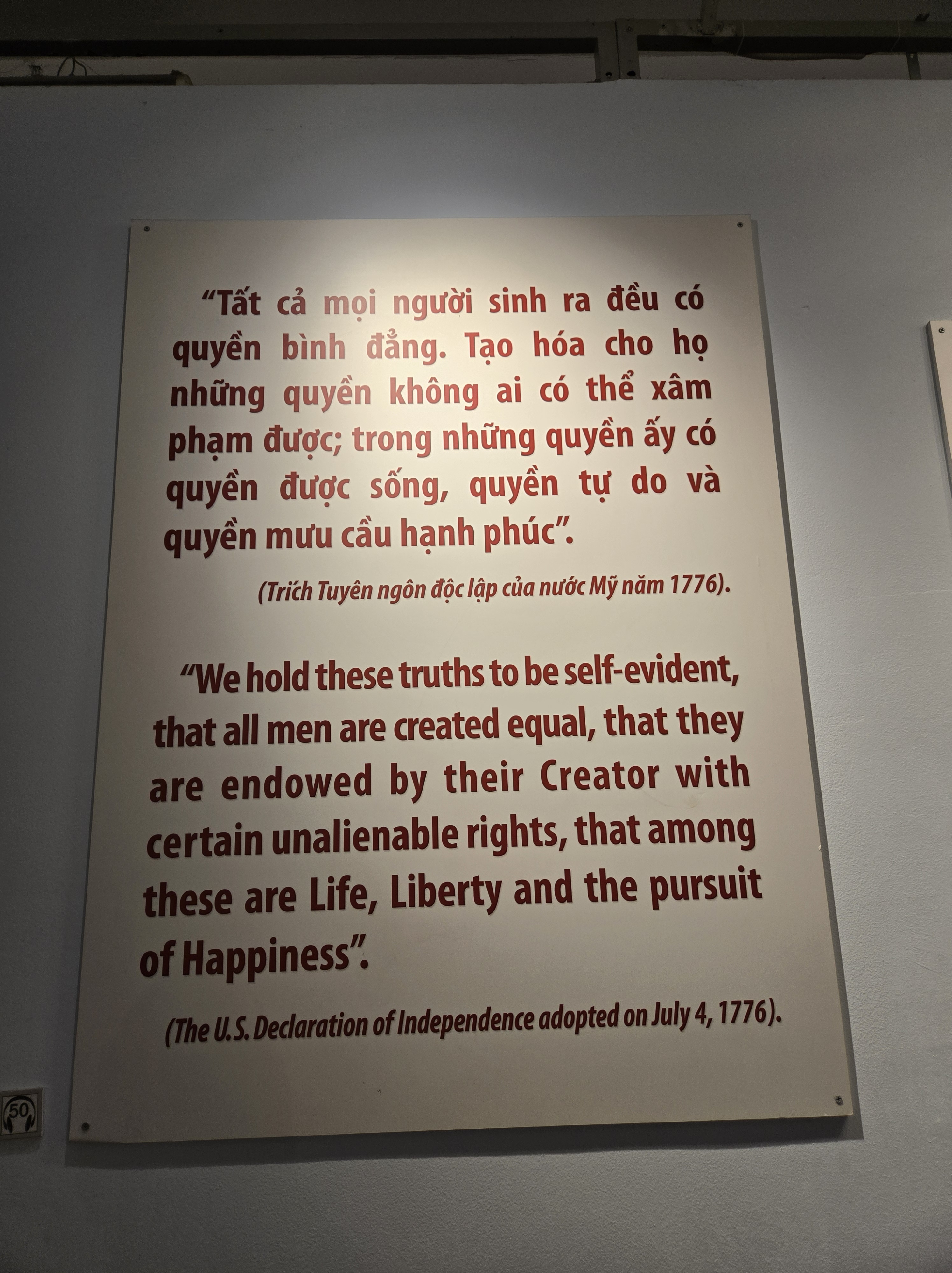
Upon entry, you are immediately reminded of the juxtaposition between hallowed words in the U.S. Declaration of Independence and our nation’s actions in Vietnam:
My seven days in Vietnam provided me with both numerous insights on the people, culture, geography, and history of this Southeast Asian nation, and a better understanding of the harm that the country of my birth can unleash on a distant nation when hubris and politics fuel its actions.
With All Due Respect,
Art Giacalone
P.S. My journey to Vietnam is the only trip I have made in my non-adventurous life requiring a visa. The mere mention of that document reminds me of the fear that possessed me the entire week in Vietnam that I would somehow lose or misplace this crucial piece of paper. But I still have it – puckered and wrinkled – along with two other souvenirs of my adventure:
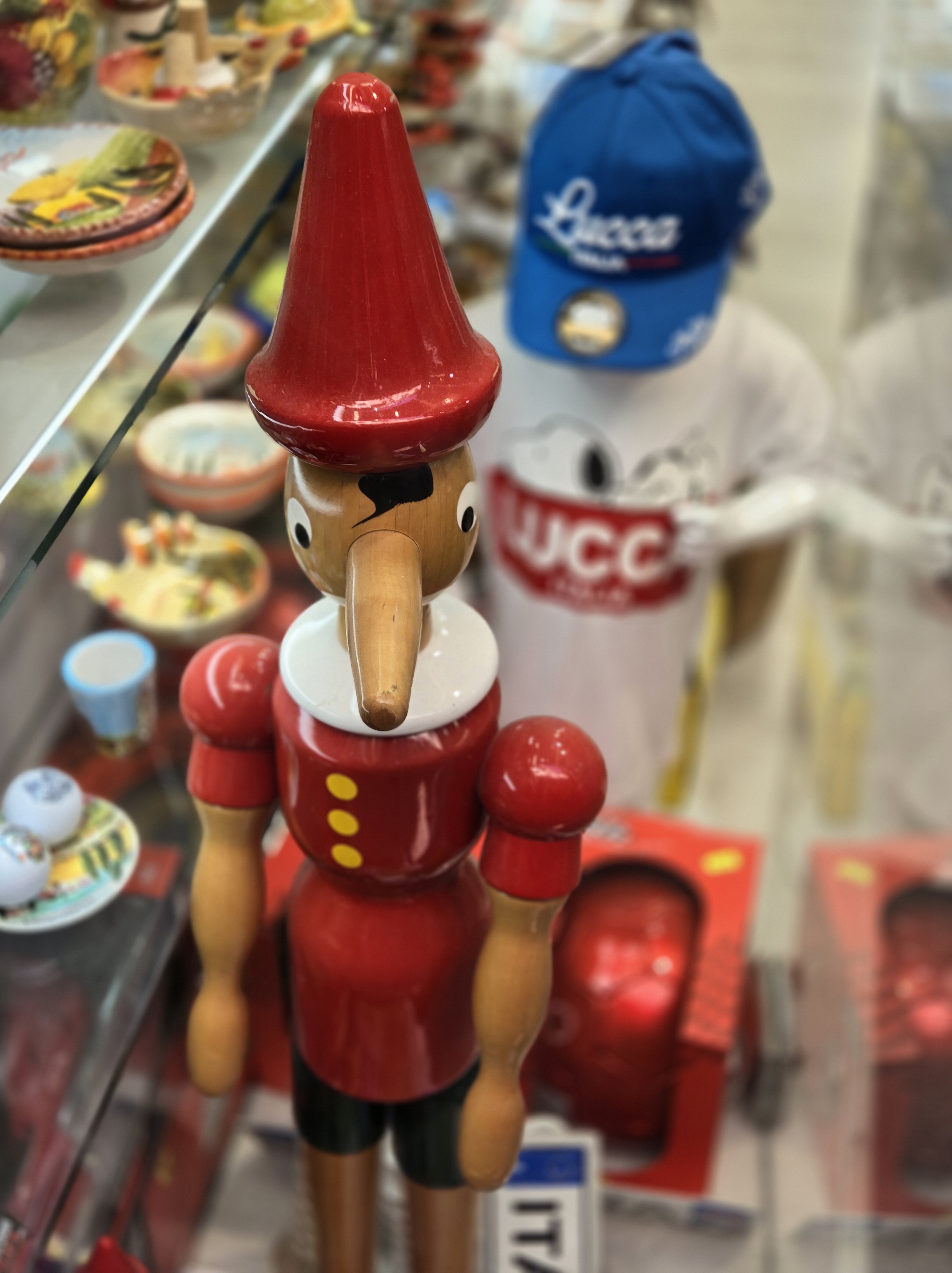
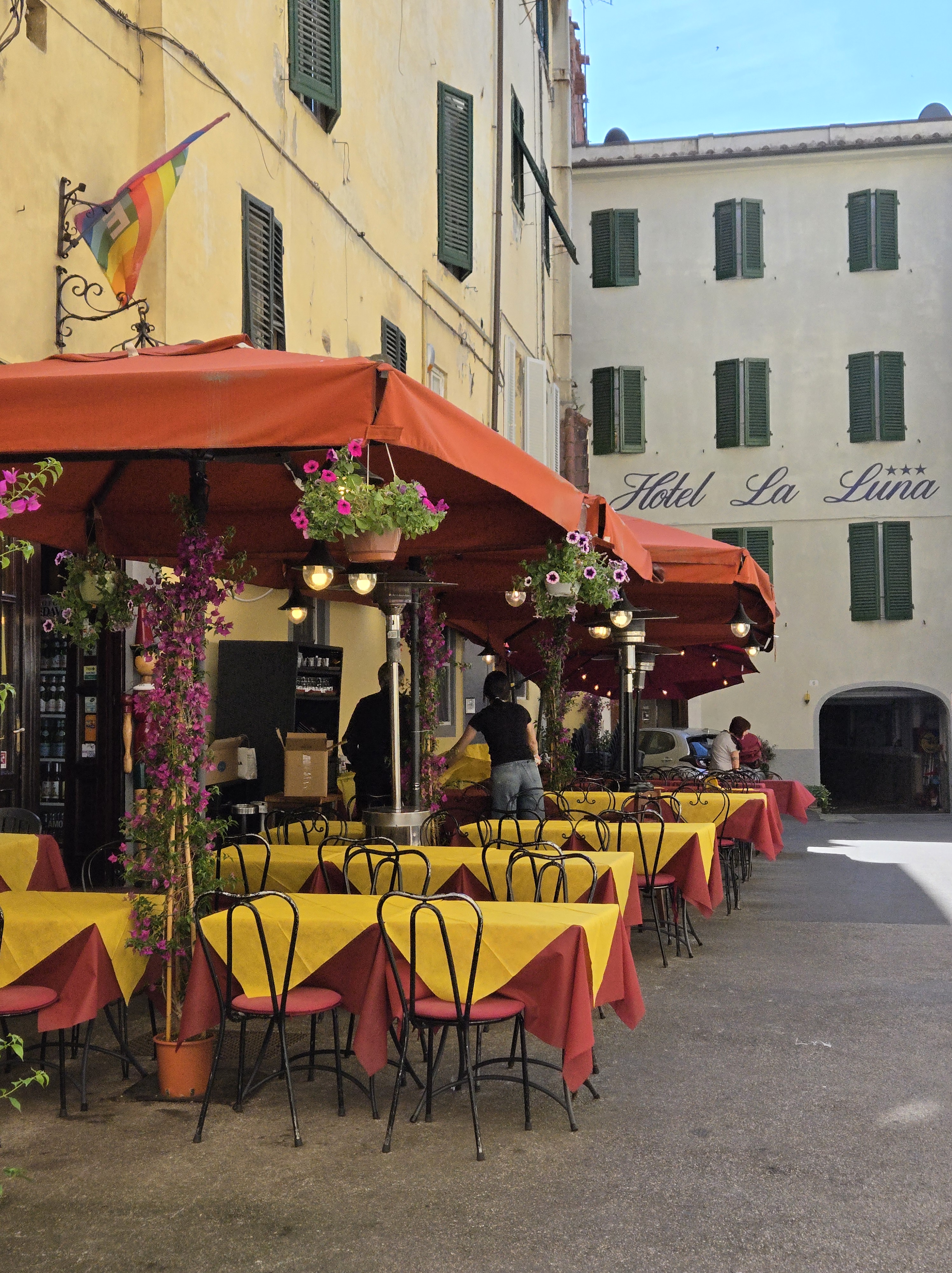
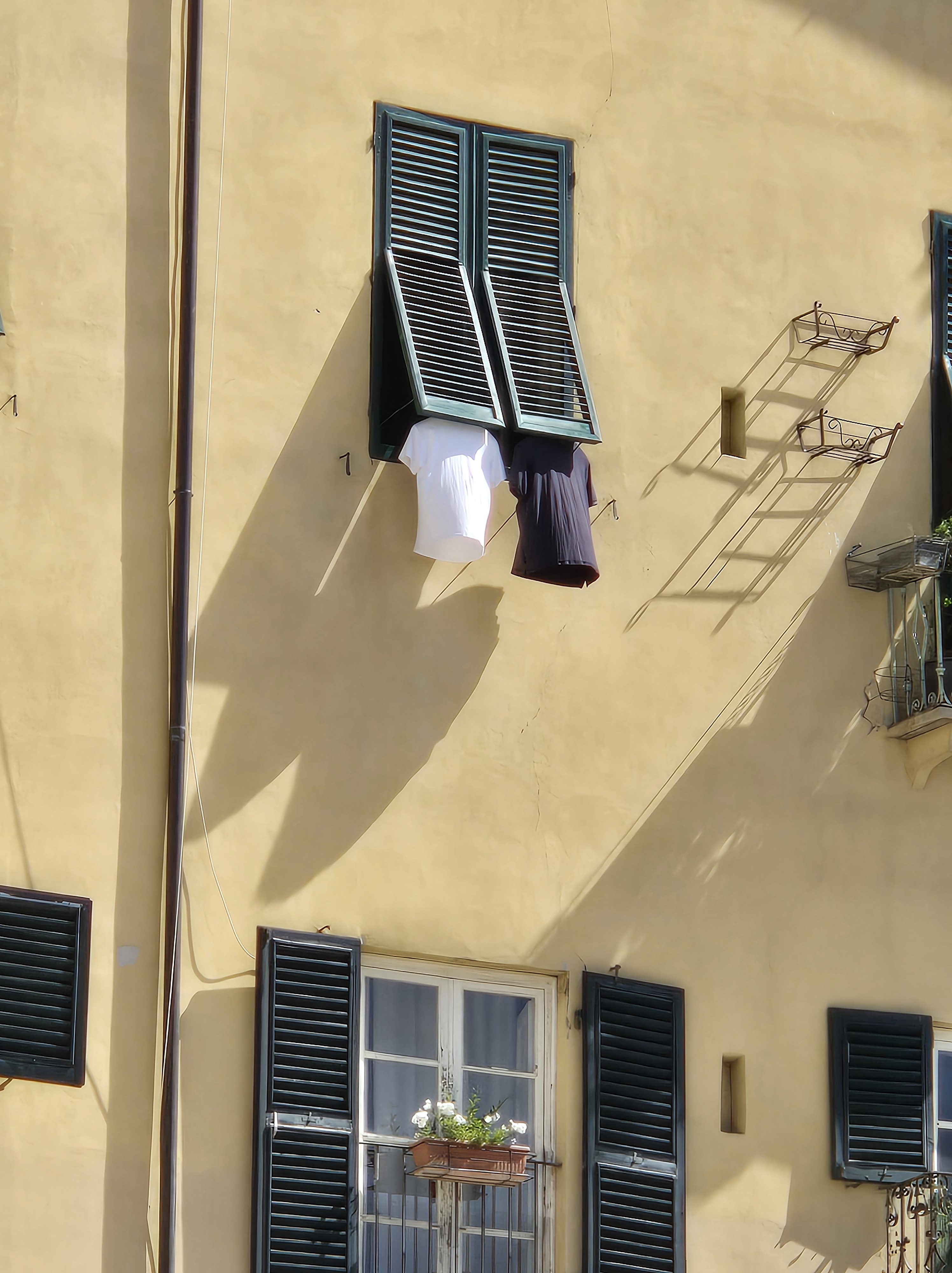
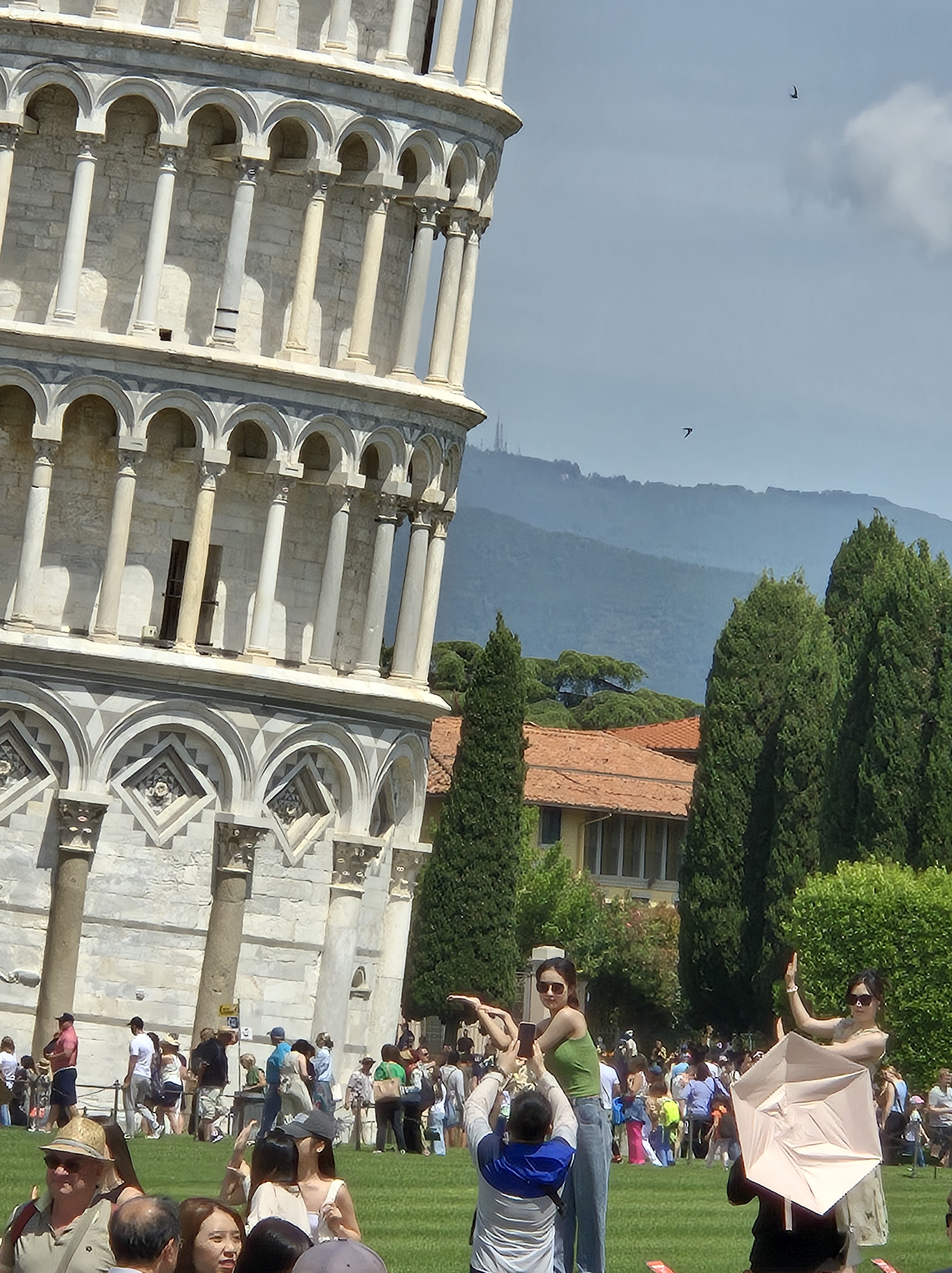
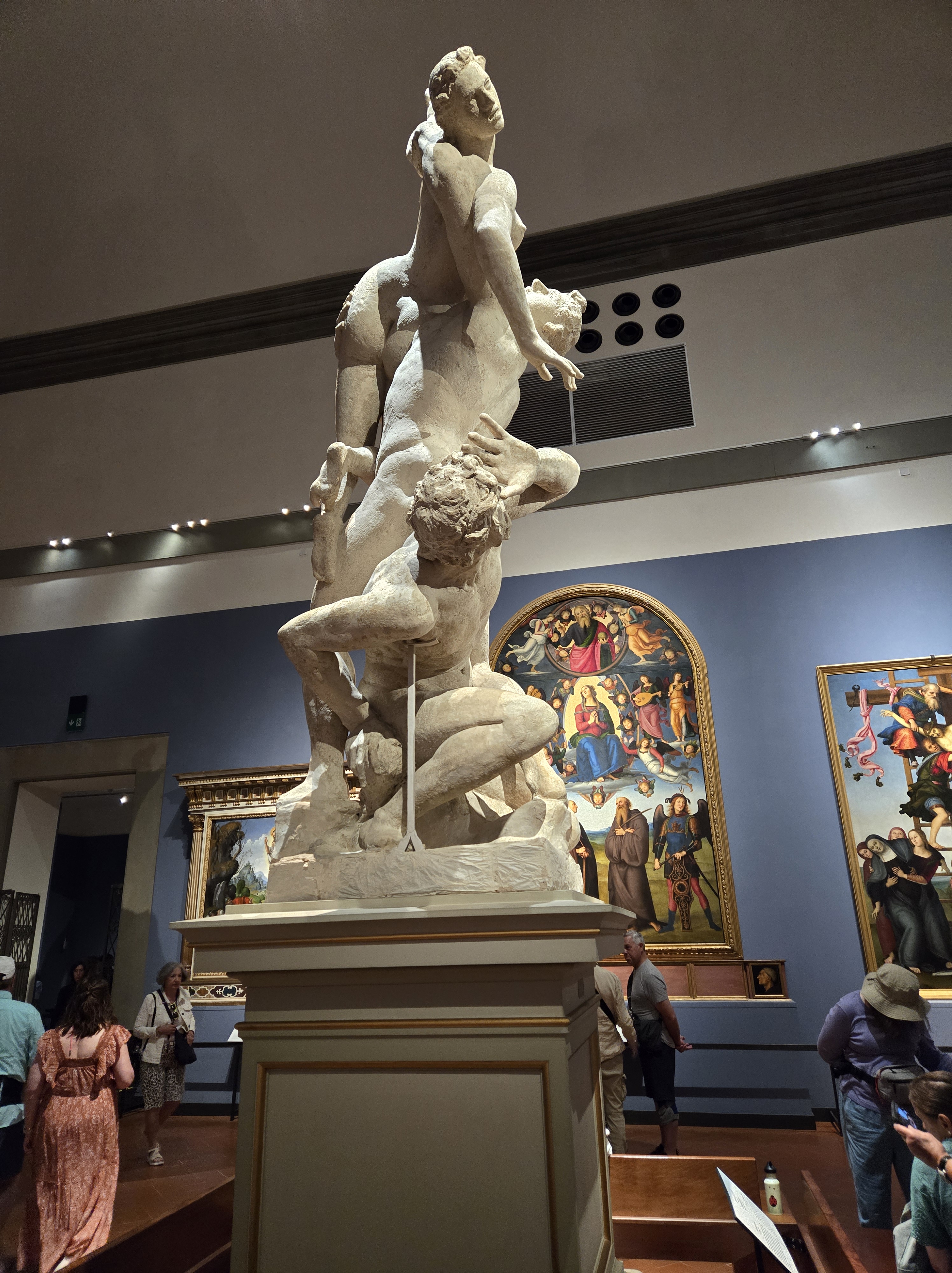
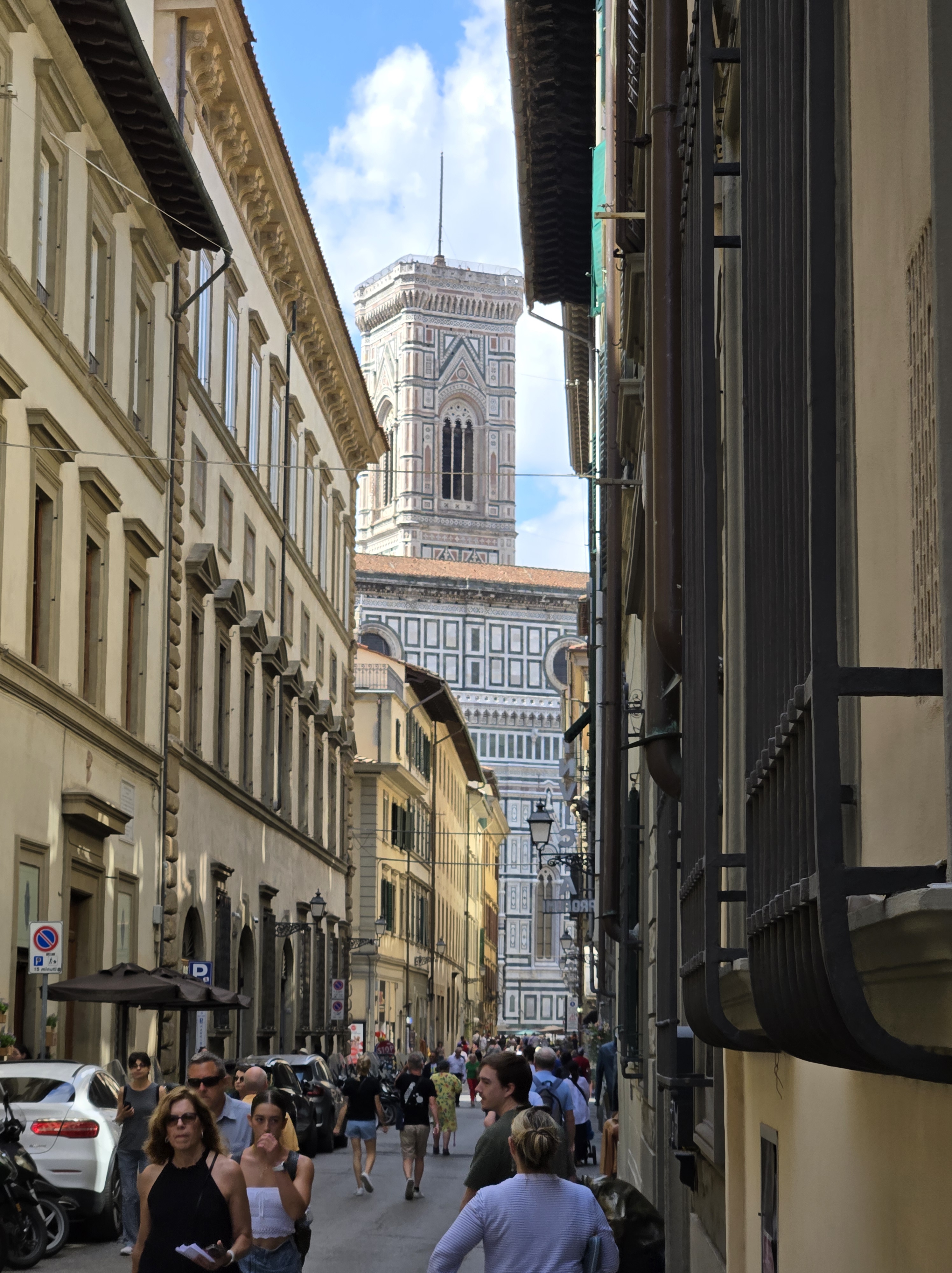
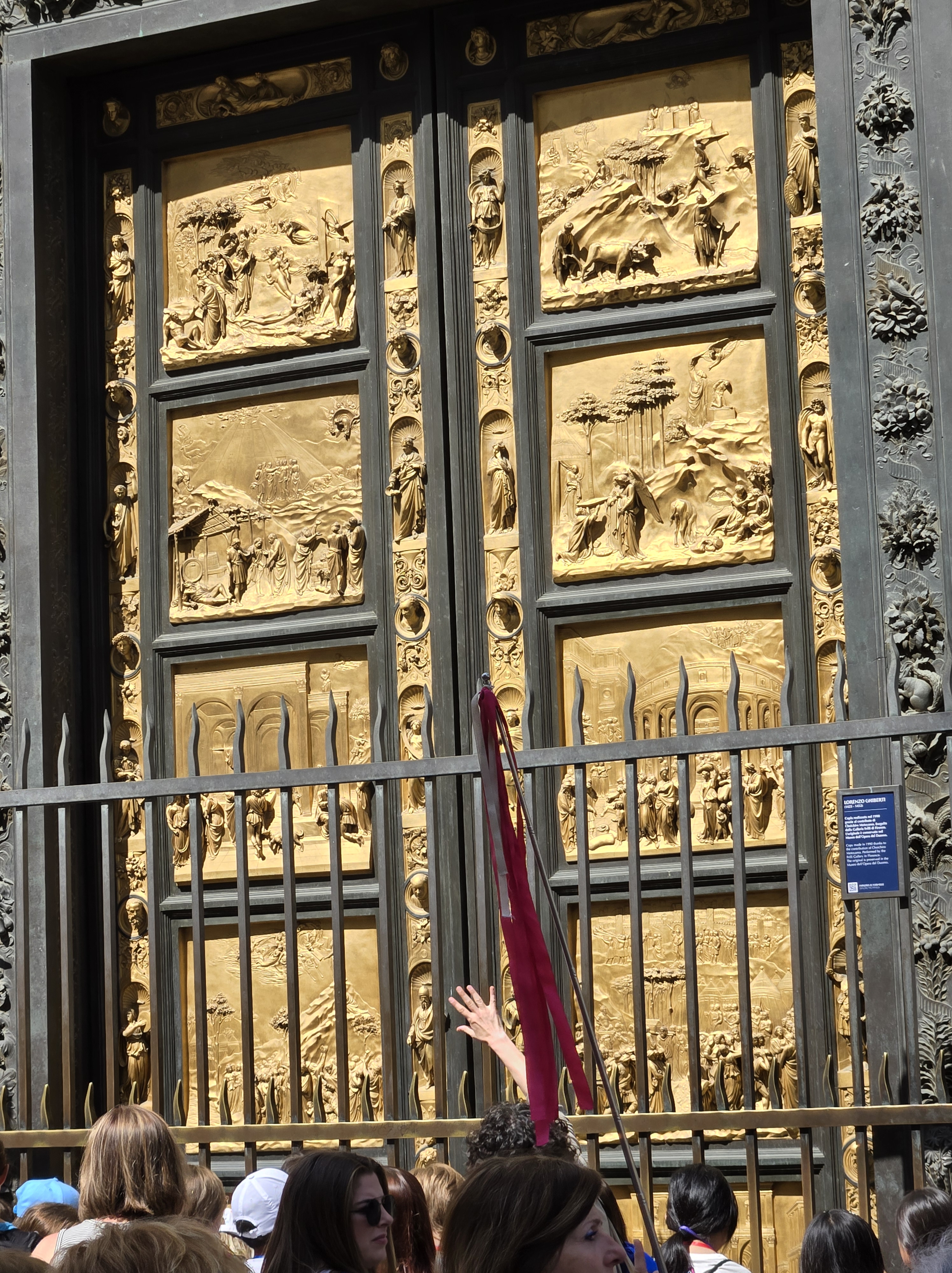
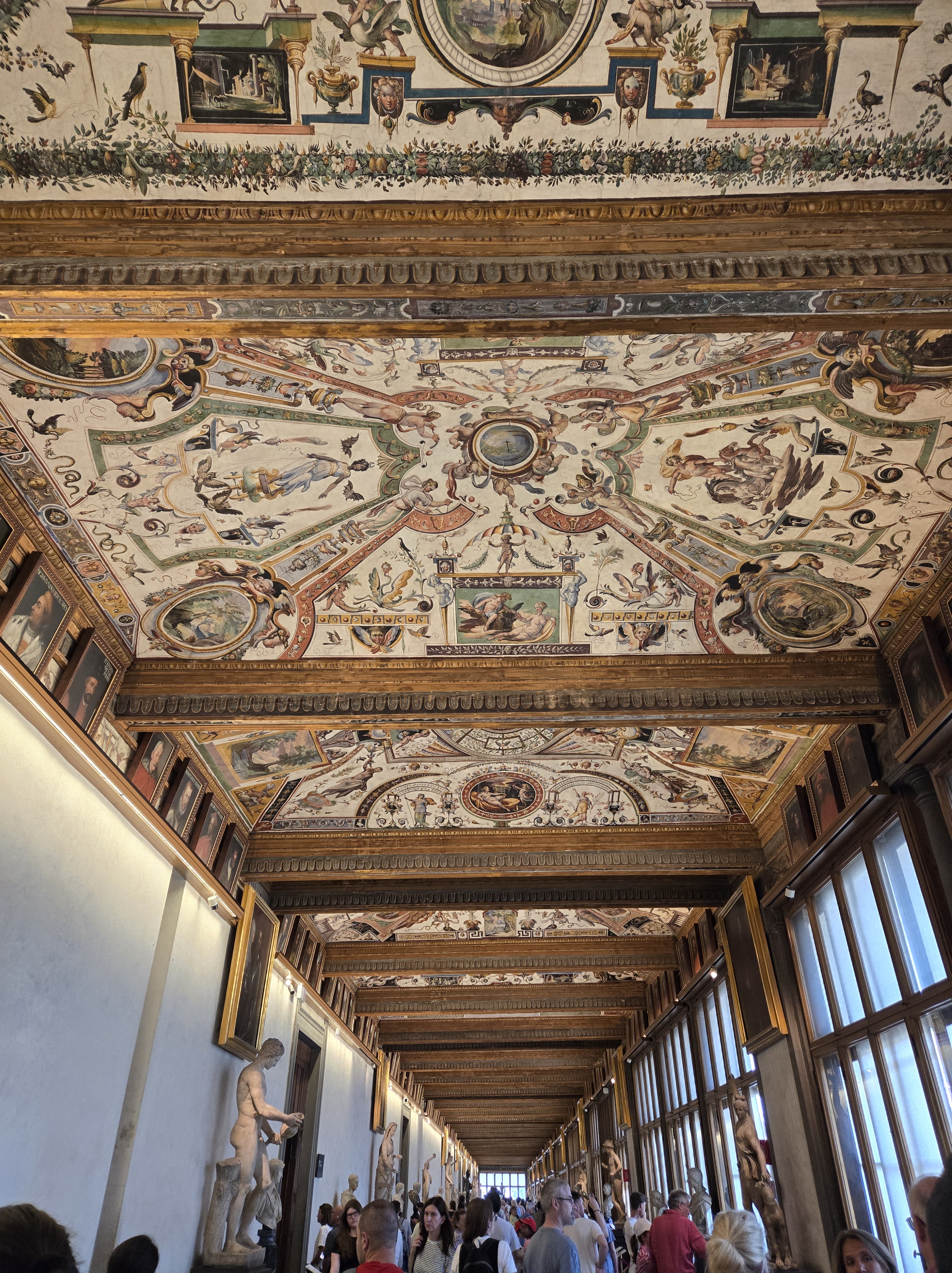
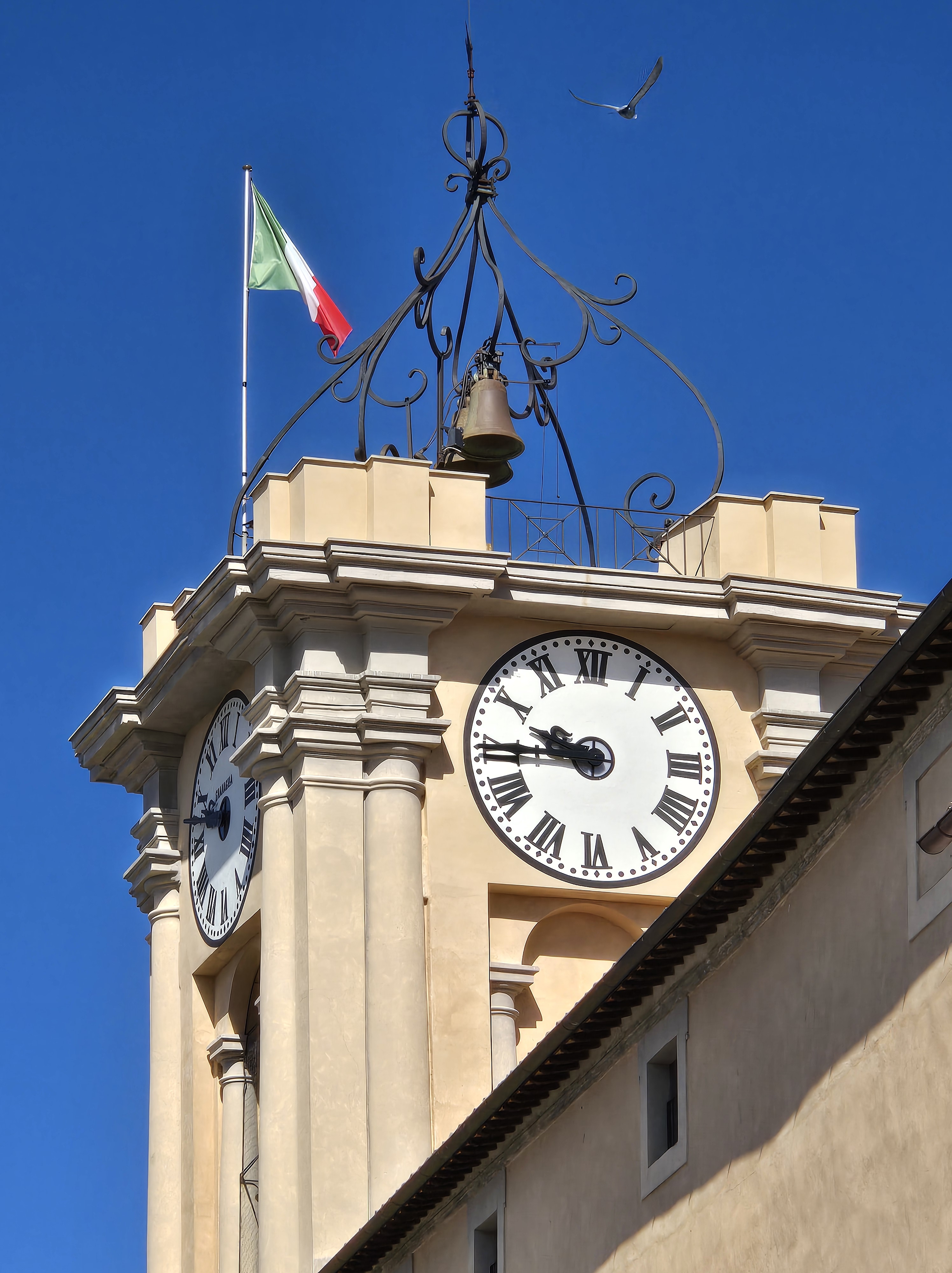
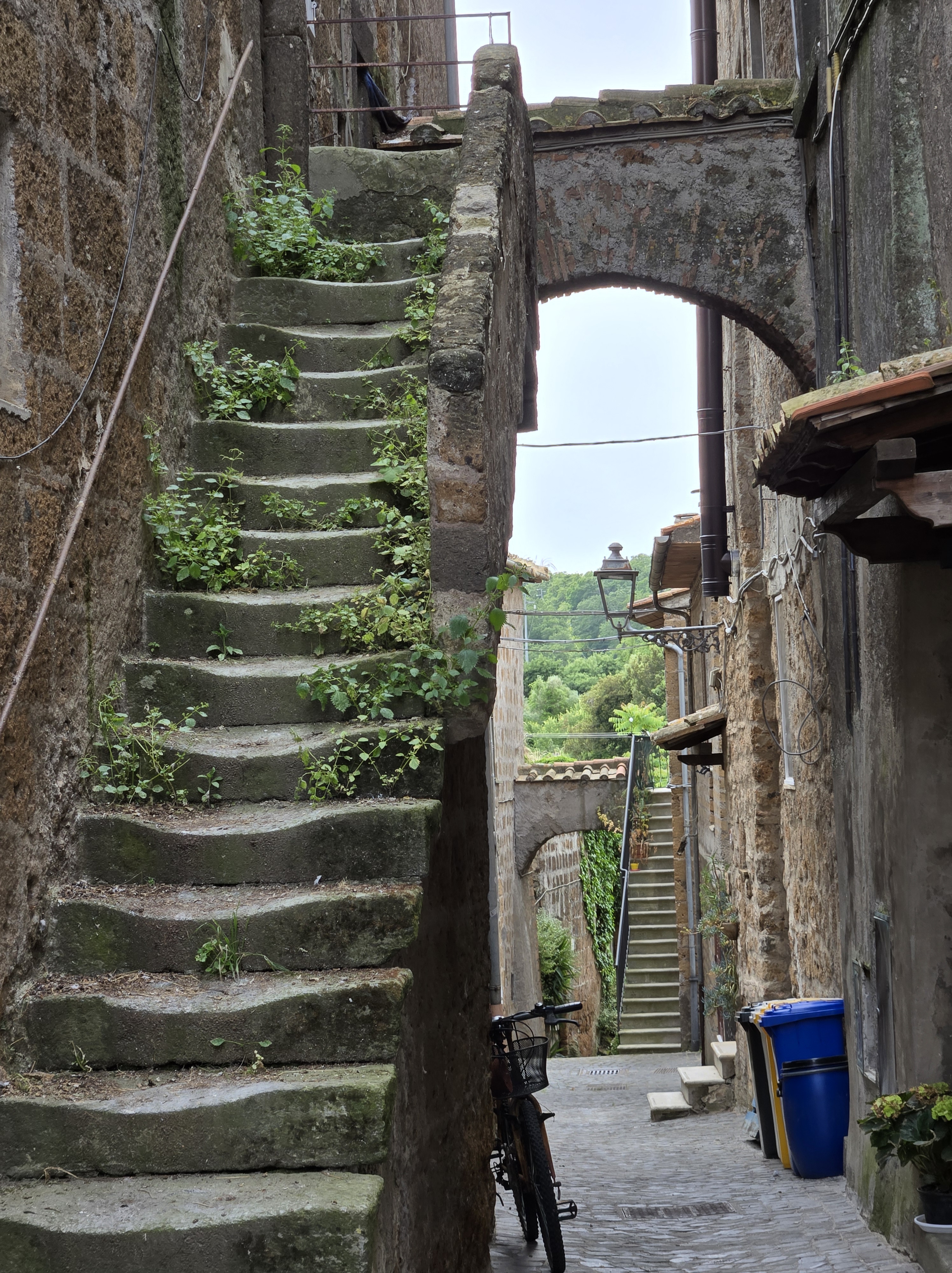
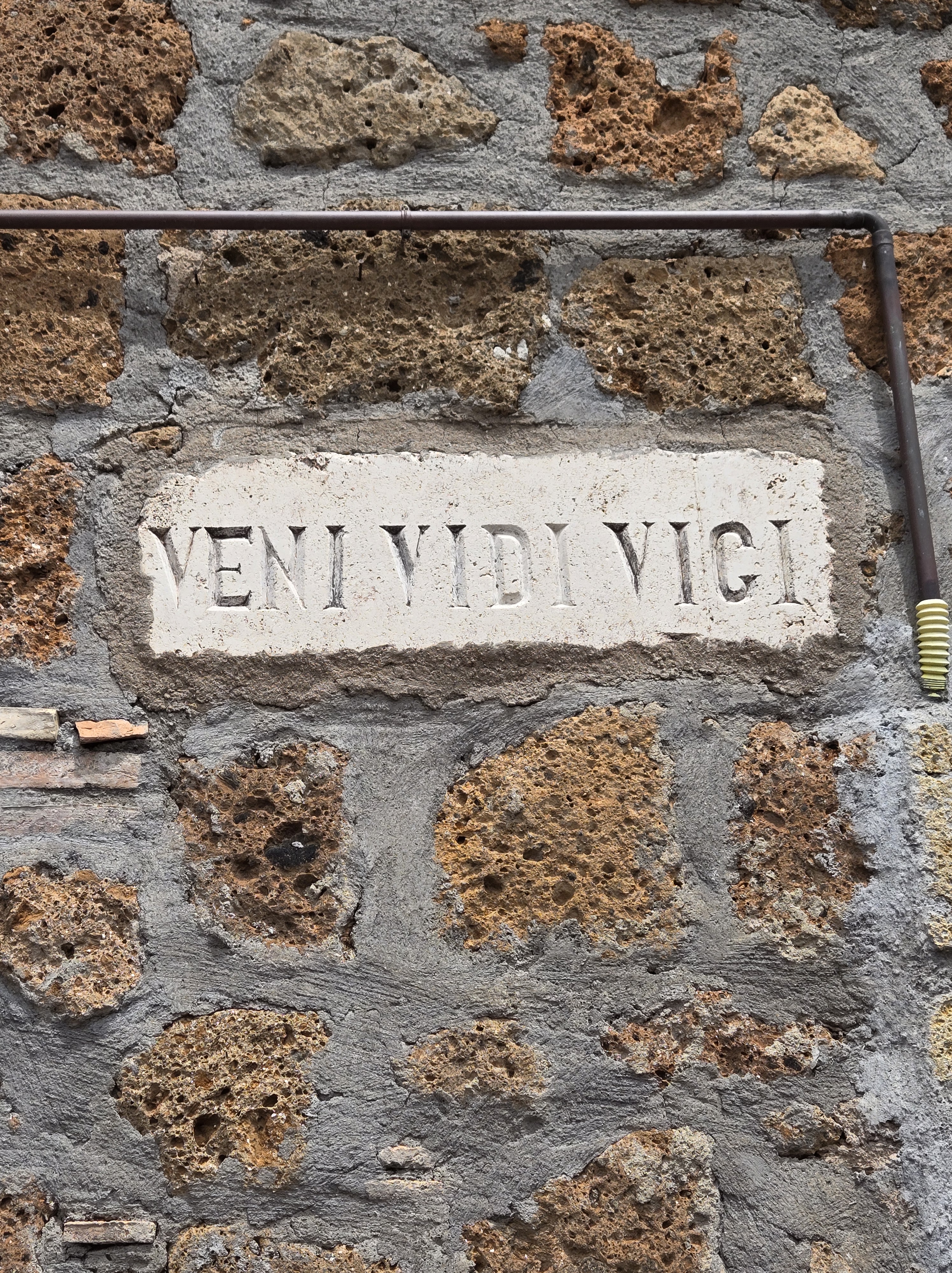
It has been nearly a week since returning to Buffalo from my first-ever trip to Italy, home of my ancestors (my maternal grandparents came to the U.S.A. from Bari, the capital of Puglia, and my paternal grandparents from Sicily). The tour was so concentrated and extensive that I can barely separate my memories or photographs of one village, panoramic view, church, or work of art from another. [The fact that my identical twin brother, David, turns 75 later this year also may contribute to this sad situation.]
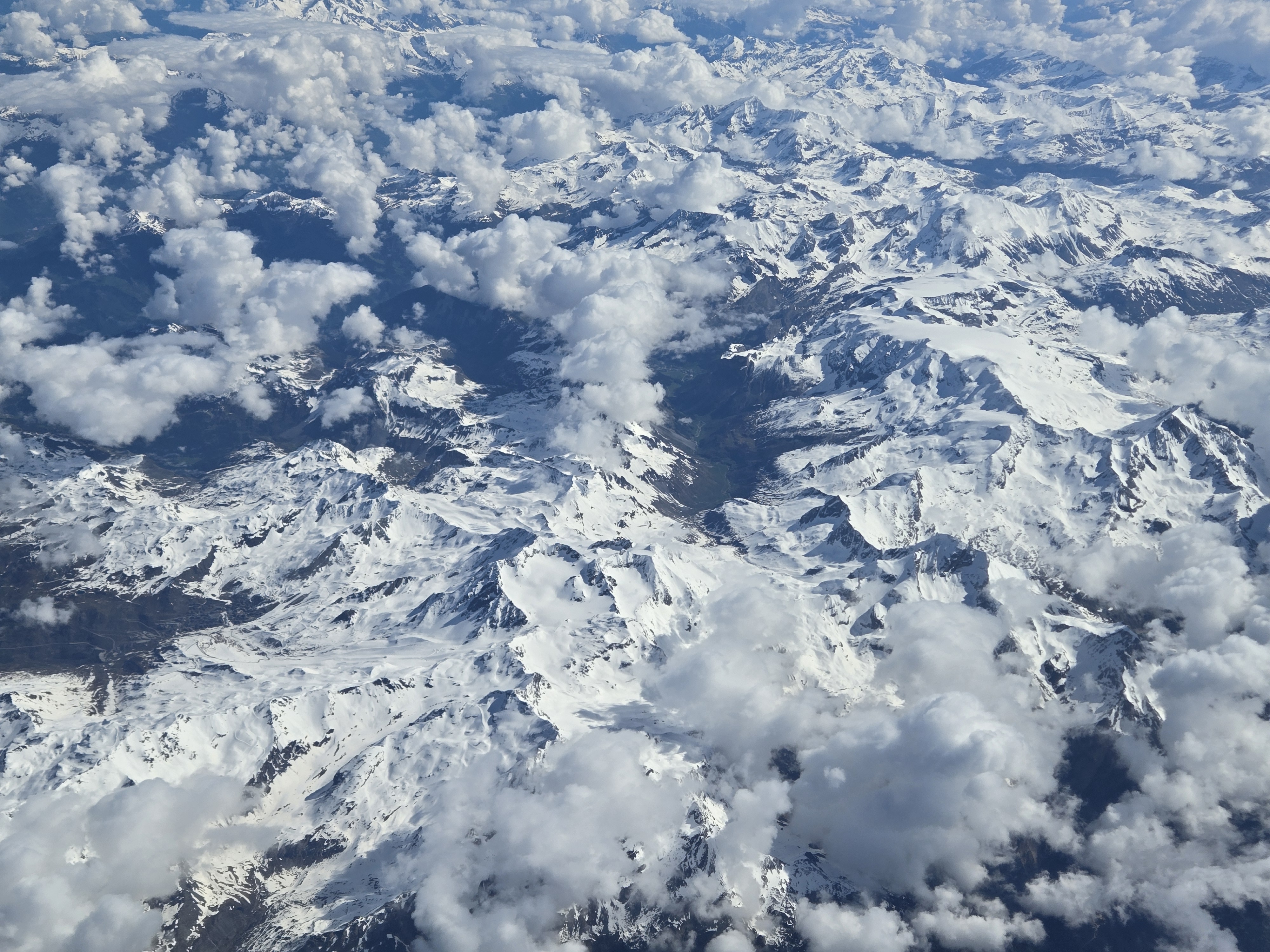
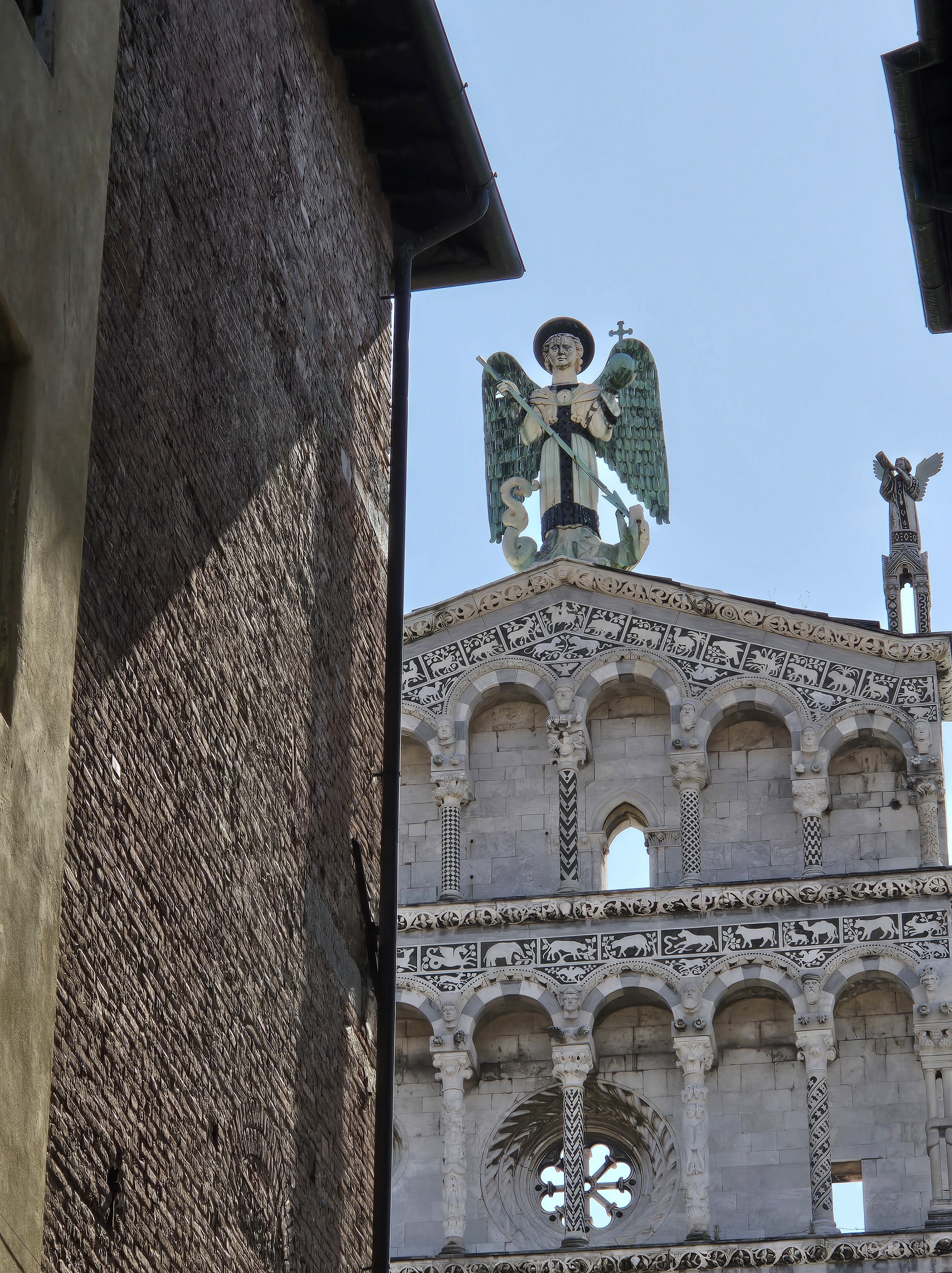
I took somewhere around 960 photos while on my trip. My brother was kind enough to ask me to assemble a manageable number of my favorites, without feeling an obligation to identify location or describe the image. So that’s what I’ll will do in this posting, starting with my first glimpse of Italy from the window of my Boeing jetliner. I hope you’ll enjoy this modest “appetizer.”
On July 3, 2022, the New York Times published an article titled, “Buffalo’s ‘Other Story’ Is Told in Redevelopment and Growth,” under the byline of C.J. Hughes. That piece opened as follows:
Buffalo was riding a decade-long economic turnaround when a racially motivated attack by a gunman killed 10 people in May, overshadowing the progress. While the city grieved, it also had to reckon with unflattering portrayals of the East Side, the impoverished neighborhood where the massacre took place. Those harsh takes tell only part of the story, say residents, business owners and city officials. Now, they are determined to put the focus back on the recovery.
Unhappy with the slant of the article, I sent the Times a letter-to-the-editor on July 5. Anyone who visits this blog will realize that it was not easy for me to restrict my writing to 175 words or so, but I did my best. Regrettably, the eminent publication chose not to share my comments with its nationwide readership. [In contrast, I was pleased to see that the July 7, 2022 print edition of The Challenger Community News included my letter. My sincere thanks to its editor, Al-Nisa Banks.]
The reach of this blog is, I will humbly admit, a tad less expansive than that of the New York Times. Nonetheless, I feel the need to share my comments. Here’s my letter:
July 5, 2022
Buffalo’s Poverty and Segregation persists despite “Redevelopment and Growth”
Dear Editor,
The July 3, 2022 article touting Buffalo’s “Other Story” of redevelopment and growth reads like an ad campaign by Mayor Byron Brown and the local business community. In fact, Buffalo’s so-called “economic renaissance” eludes much of the city’s residents:
– The 2020 U.S. census shows that Buffalo has the second-highest childhood poverty rate among major American cities, 43.4%. In 2016, it was “only” the seventh worst.
– Overall, 29% of Buffalonians live in poverty, nearly three times the rate of our nation as a whole. 35% of Black city residents are below the federal guideline.
– Nationwide, 64% of residents own their homes. In Buffalo, that rate has fallen from 45% in 2010, to 40.7% in 2019.
– Black students fail to earn a high school degree at a rate nearly twice that of whites, 17.6% to 9.3%.
– Although Blacks account for 35% of Buffalo’s population, they make up only 6% of the balance of the metropolitan area. 85% of Blacks live east of Main Street, the near-impenetrable racial dividing line.
That’s the “Real Story.”
With All Due Respect,
Art Giacalone
P.S. If this posting was of interest to you, I urge you to read Jim Heaney’s excellent May 17, 2022 report, “Buffalo Is Segregation City.” [Jim was not restrained by a 150 – 200 limit.]
On November 2, I worked as an “Election Inspector.” Preparation included a three-hour training session, and absorbing the contents of the Board of Elections’ 50-page instructions manual. One point was stressed: On election day, poll workers are “The Face of Democracy.”
Little did I know that awakening at 4 A.M., and arriving at my assigned polling location by 5:30, would be the easiest task.
Our polling place hosted eight polling districts, each with its own two-digit number. The room was a bit too small for its intended purpose, and the eight districts were only provided six tables. Given the physical limitations, cooperation amongst the districts and workers would be essential if the anticipated stream of heavy voting was to flow smoothly. That’s not exactly what happened.
Don’t get me wrong. Most of the poll workers were welcoming, cooperative, and professional. But it was immediately apparent that a few of the “Faces of Democracy” were not in a mood to make decisions in a democratic fashion. Nor were they willing to follow the directions in the BOE manual to “treat your fellow inspectors with respect at all times.”
Here’s one example. Common sense would dictate that the districts and tables be set up in numerical order, from lowest to highest, to assist the voters in locating their districts. When the doors were unlocked, however, an election inspector from the lowest-numbered district grabbed a table a distance from the entrance door, and adamantly refused to relocate to the front table. That stubbornness resulted in randomly-located sign-in tables, and numerous puzzled expressions on the faces of the voters as they searched for their polling district.
Perhaps this situation could have been avoided if the BOE had assigned one person the role of making logistical decisions, and resolving disagreements amongst the eight districts. Without a specific person in charge, eight self-appointed “chairpersons” were left to their own devices.
Thankfully, most – but not all – decisions were made cooperatively. At mid-day, one poll worker suddenly decided to re-position the tables that were being used by voters to privately mark their ballots. That move led to a visible and public argument between two district “chairs.” Certainly not an attractive face to show the voters.
Similar tensions and inconveniences occurred occasionally among the four individuals assigned to a specific district.
The BOE manual directs each district chairperson to delegate, and then periodically rotate, the primary responsibilities amongst the four-person team: operating the poll book, issuing ballots, supervising the privacy area and scanner, and greeting the voters at the door. This sensible approach was disrupted when an election inspector sat down at the assigned table – with novel, thermos, and other personal items in hand – and announced an unwillingness to change seats during the course of the day. The chairperson, not wishing to create a scene, was forced to move the election documents – not poll workers – each time tasks were rotated. The tension was palpable.
I have no doubt that I did or said something to annoy my fellow poll workers during the challenging 16-hour day. But I consciously tried to work as a member of a team. While there is a good chance I won’t return as a poll worker next year, I’m glad to have learned what democracy looks like. It resembles each of us, foibles and all, and relies on cooperation and compromise to function effectively.
[Note: A version of this post was published in the May 1, 2021 print version of the Buffalo News “Everybody’s Column” under the headline, “Congress, Niagara Falls must remove Sgt. Toy’s name.” Here’s a link to the on-line letter:
The massacre by the U.S. Army at Wounded Knee, South Dakota, occurred 130 years ago and more than 1,100 miles from the Niagara Frontier. But the repercussions of that infamous slaughter of hundreds of Lakota Sioux, including unarmed women and children, are felt right here in Western New York.
Twenty Medals of Honor – meant to recognize “conspicuous gallantry and intrepidity at the risk of life above and beyond the call of duty” – were awarded to troops involved in the violent actions at Wounded Knee. One of the recipients, Frederick E. Toy, was born and worked in Buffalo, and settled with his family in Niagara Falls subsequent to his retirement from the Army.
Toy was a First Sergeant at the time of the tragic events. His commander, Capt. Winfield Scott Edgerly, used the following words when recommending the Buffalo native for the Medal of Honor: “The fight was unexpected and I saw the sergeant deliberately aim at and hit two Indians who had run into the ravine; his coolness and bravery exciting my admiration at the time.”
Sgt. Toy is one of eight residents of the Cataract City with individual monuments as Medal of Honors winners at the American Veterans Monument in the city’s Hyde Park. Nationally, members of the Lakota tribe are lobbying Congress to enact the “Remove the Stain” bill to rescind all 20 medals awarded to Wounded Knee participants. Locally, Paul Winnie, a member of the Tonawanda Seneca Nation, and Niagara Falls Councilman Bill Kennedy, Jr., would like to see Sgt. Toy’s name removed from the Hyde Park monument. As Kennedy has stated, “There is no honor in genocide.”
Congress and Niagara Falls’ Council must demonstrate respect for the Lakota – and the medal – by removing the stain.
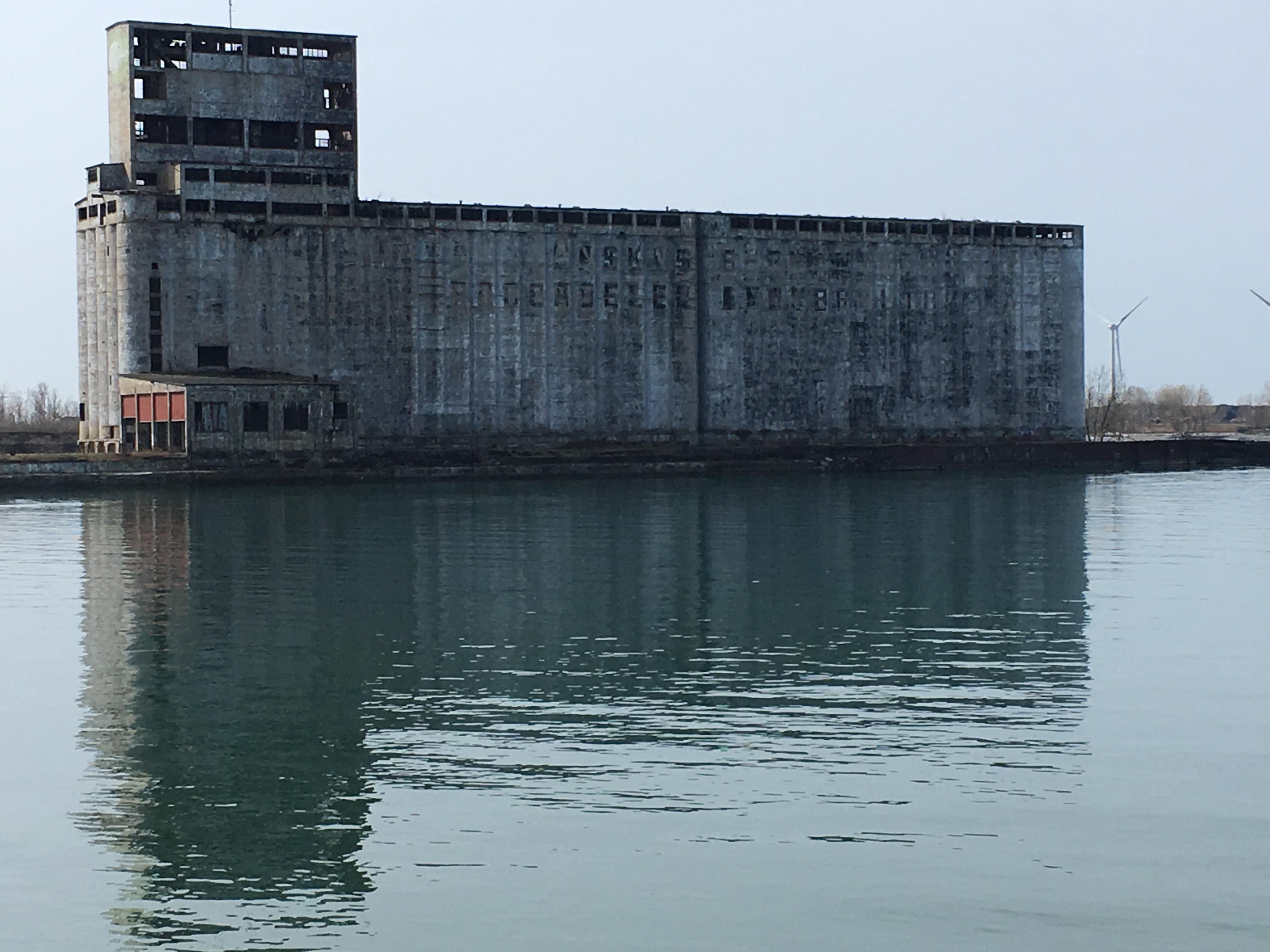
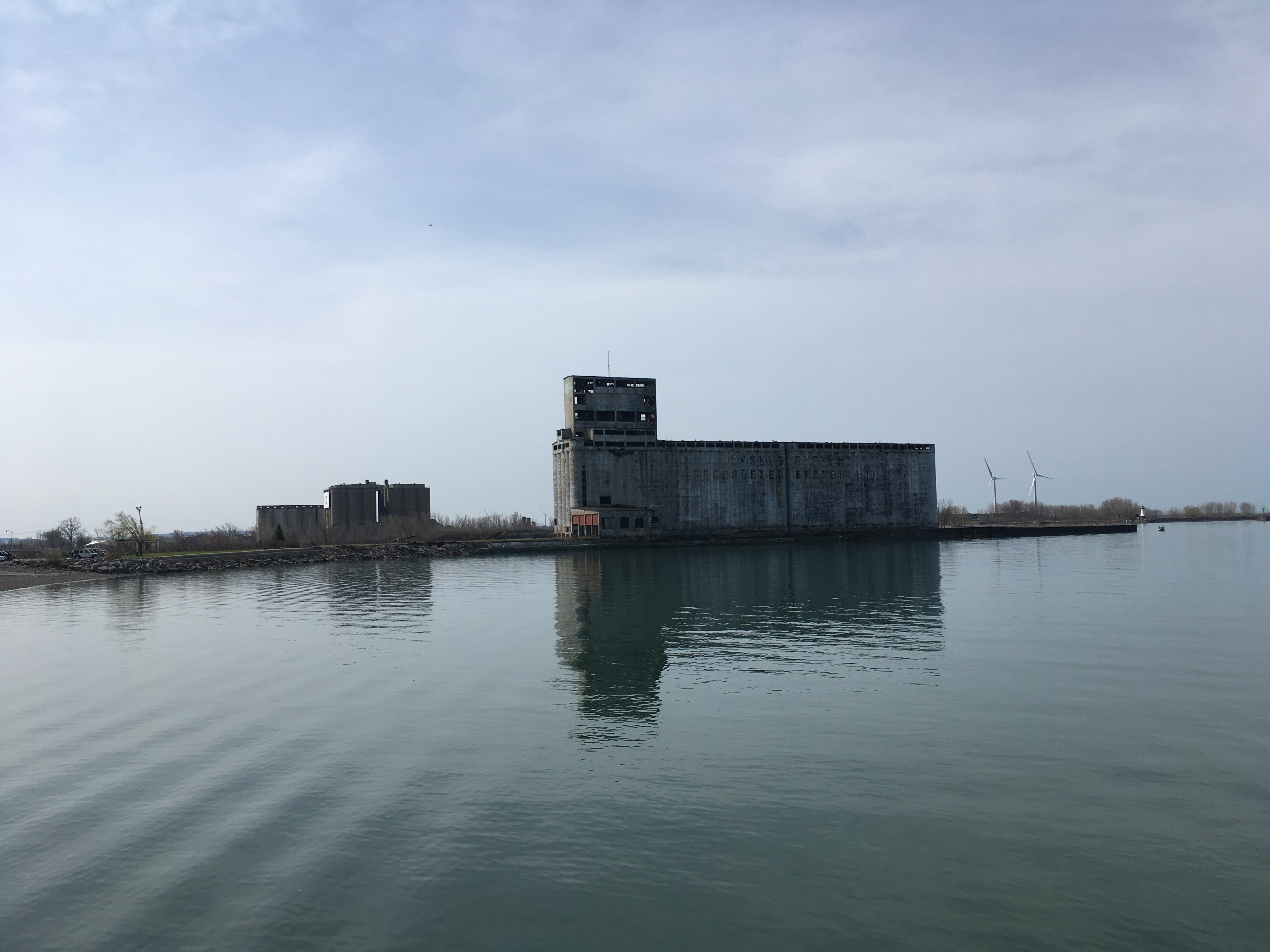
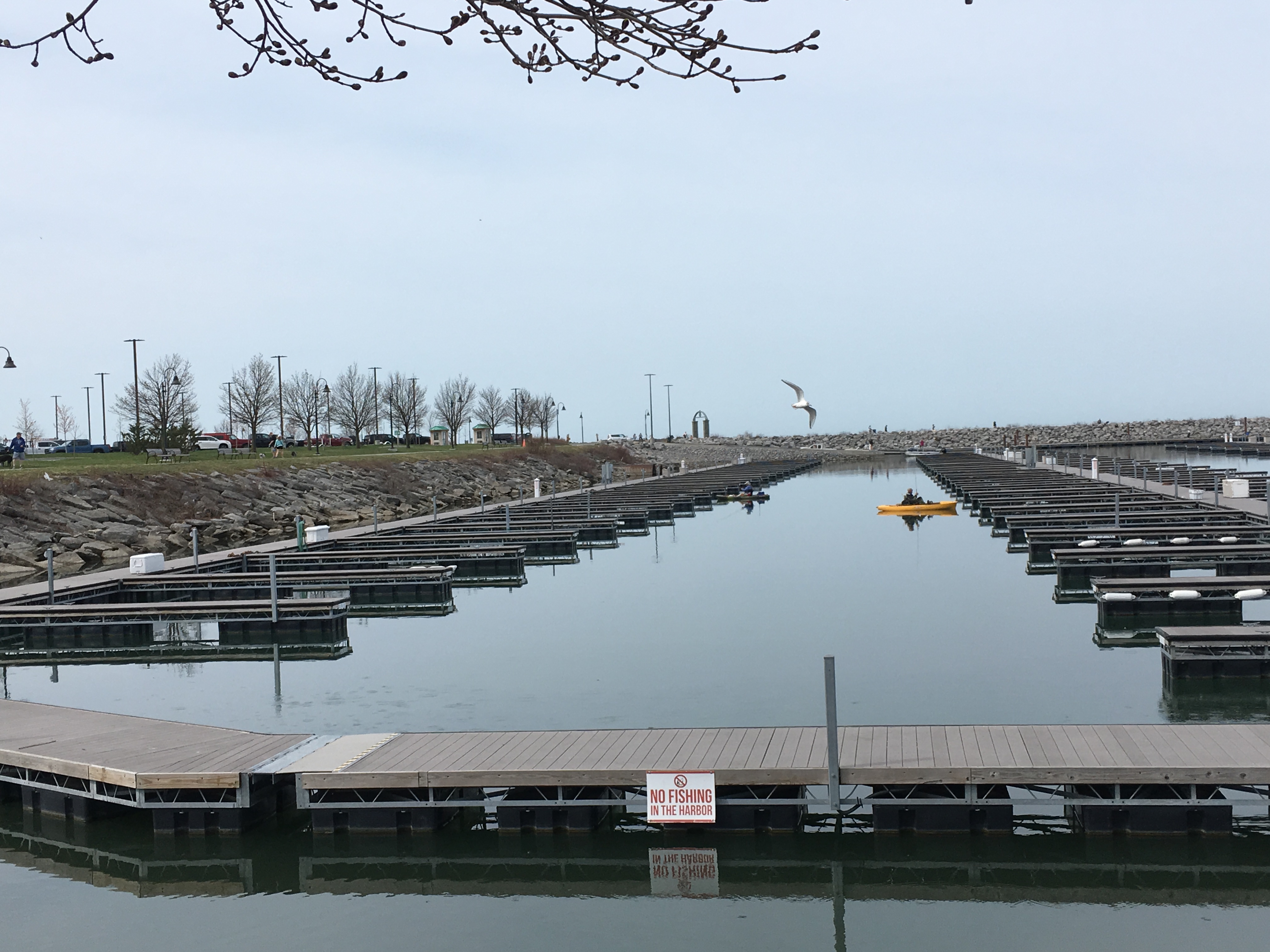
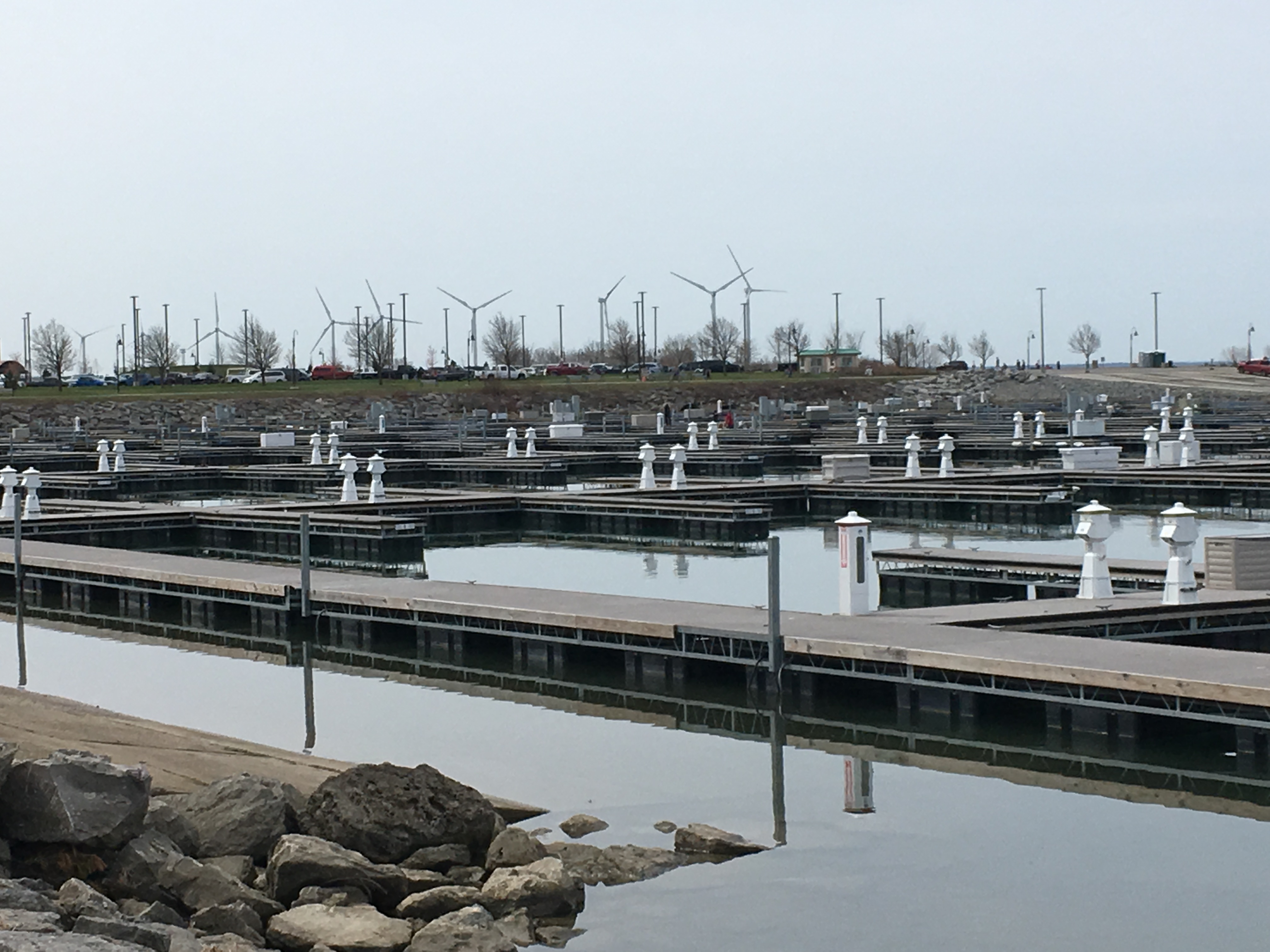
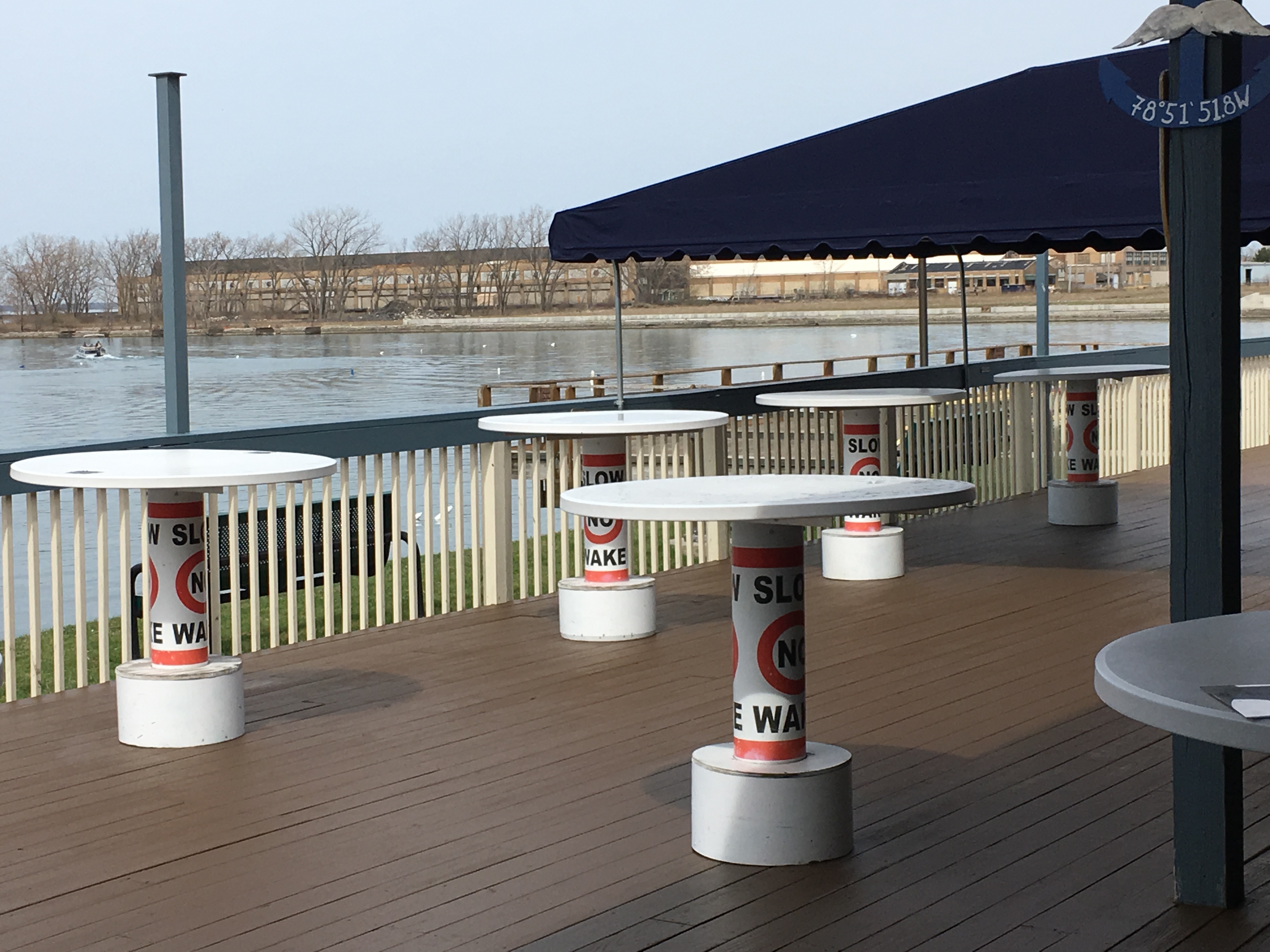
I can’t imagine a calmer, more placid mid-April morning along an urban portion of the shore of Lake Erie than what I experienced today. So I thought I’d share some images of the “human-made” objects at Buffalo’s Outer Harbor. I hope you enjoy the stroll.
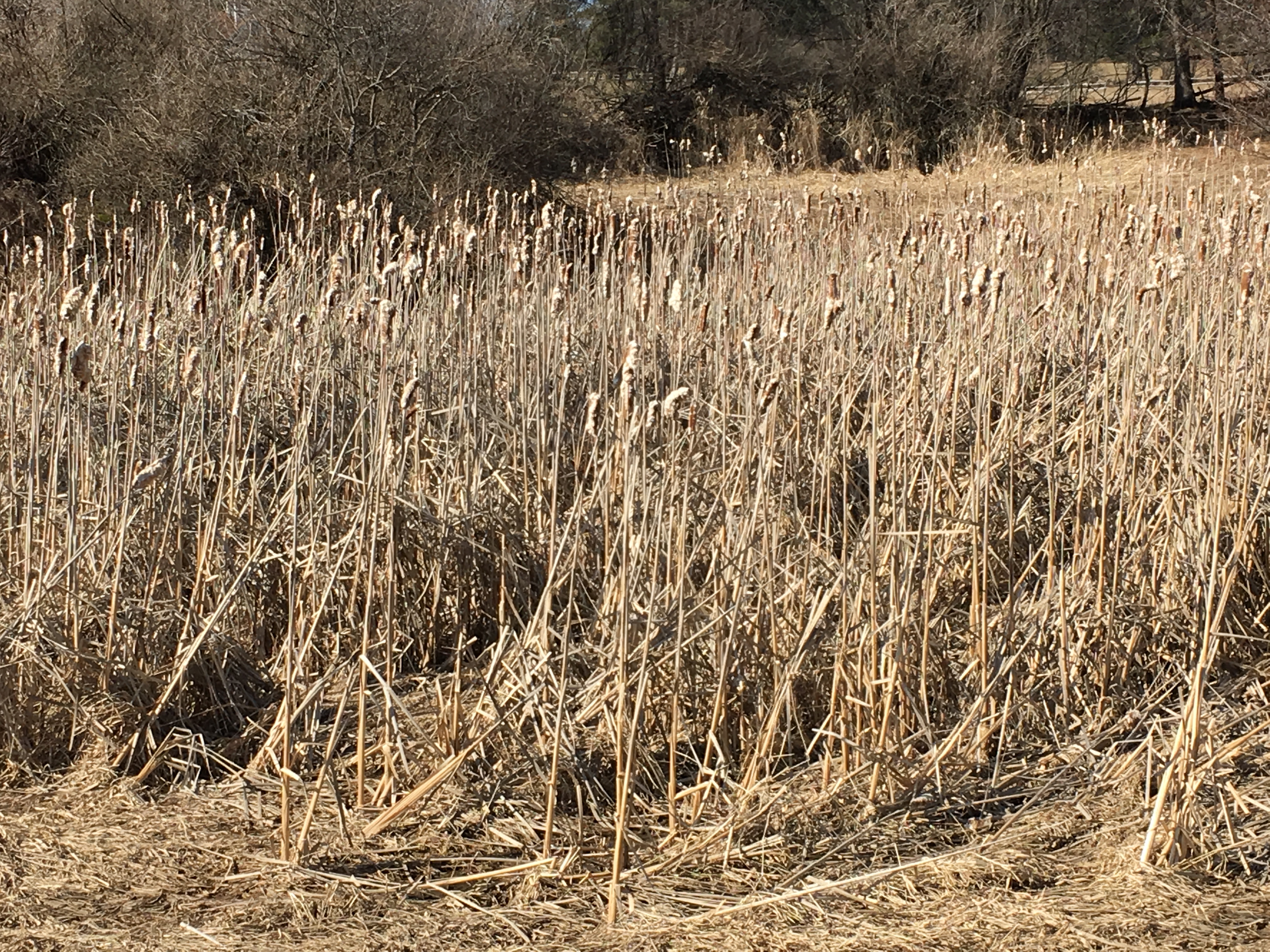
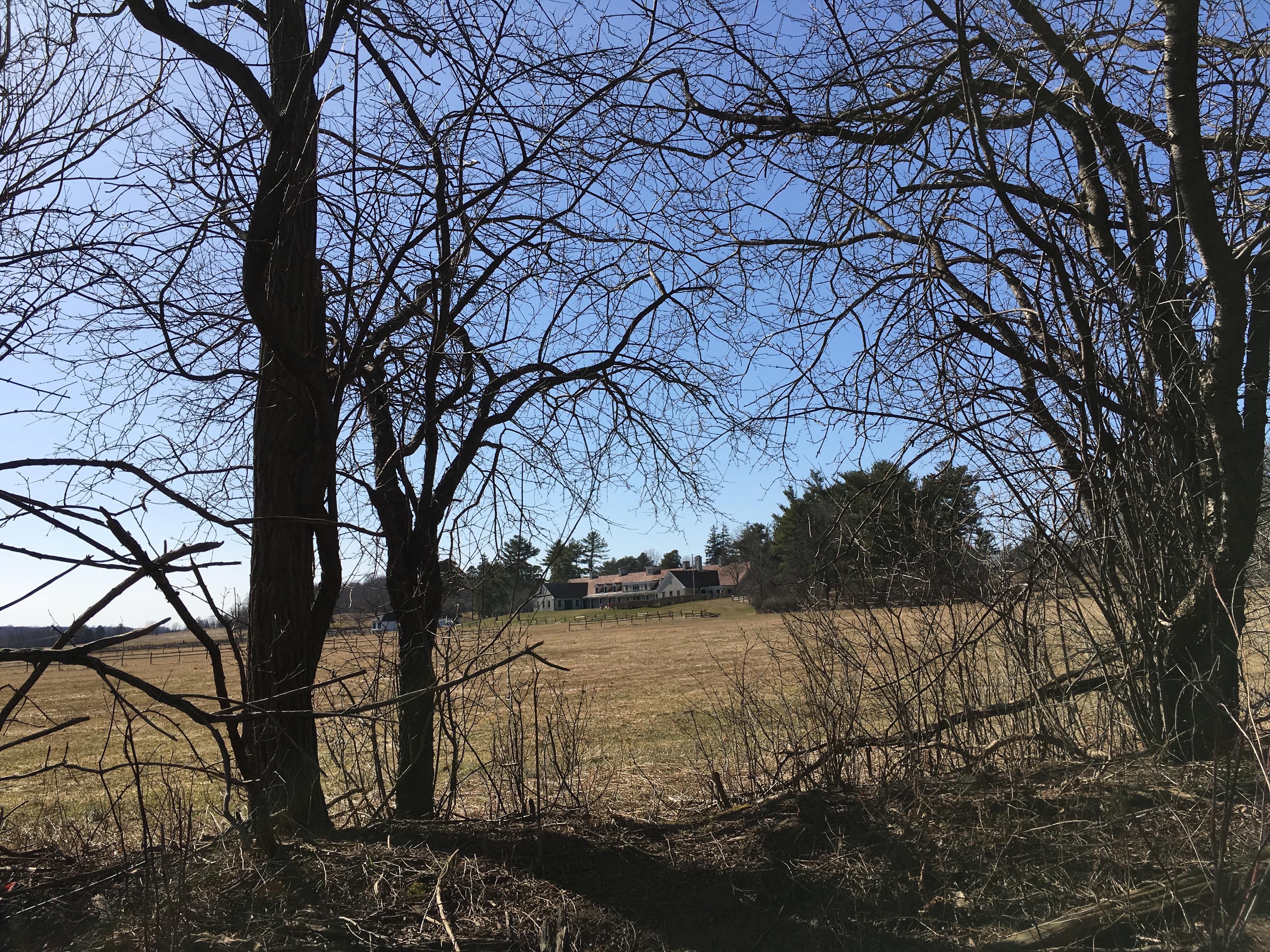
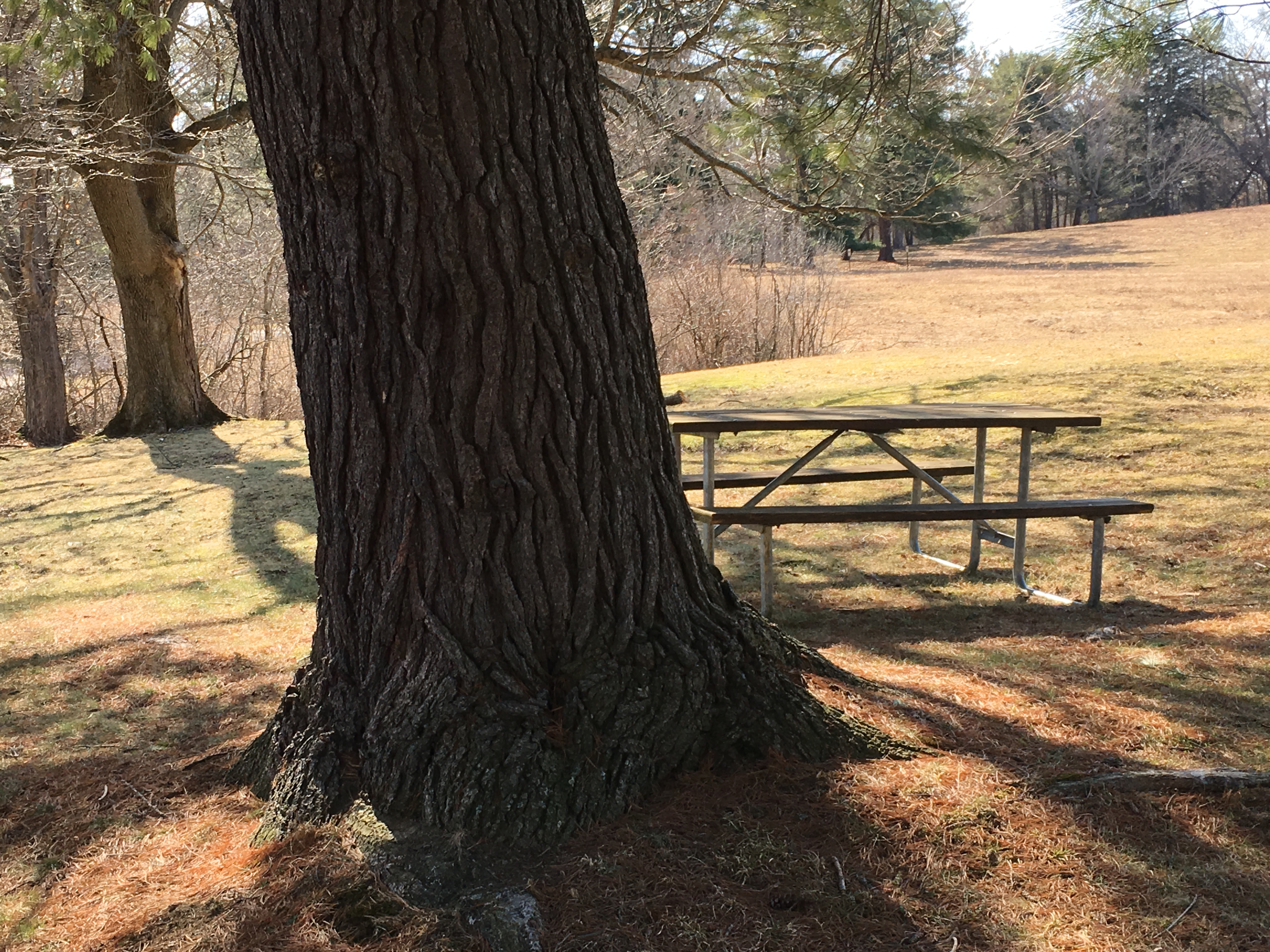
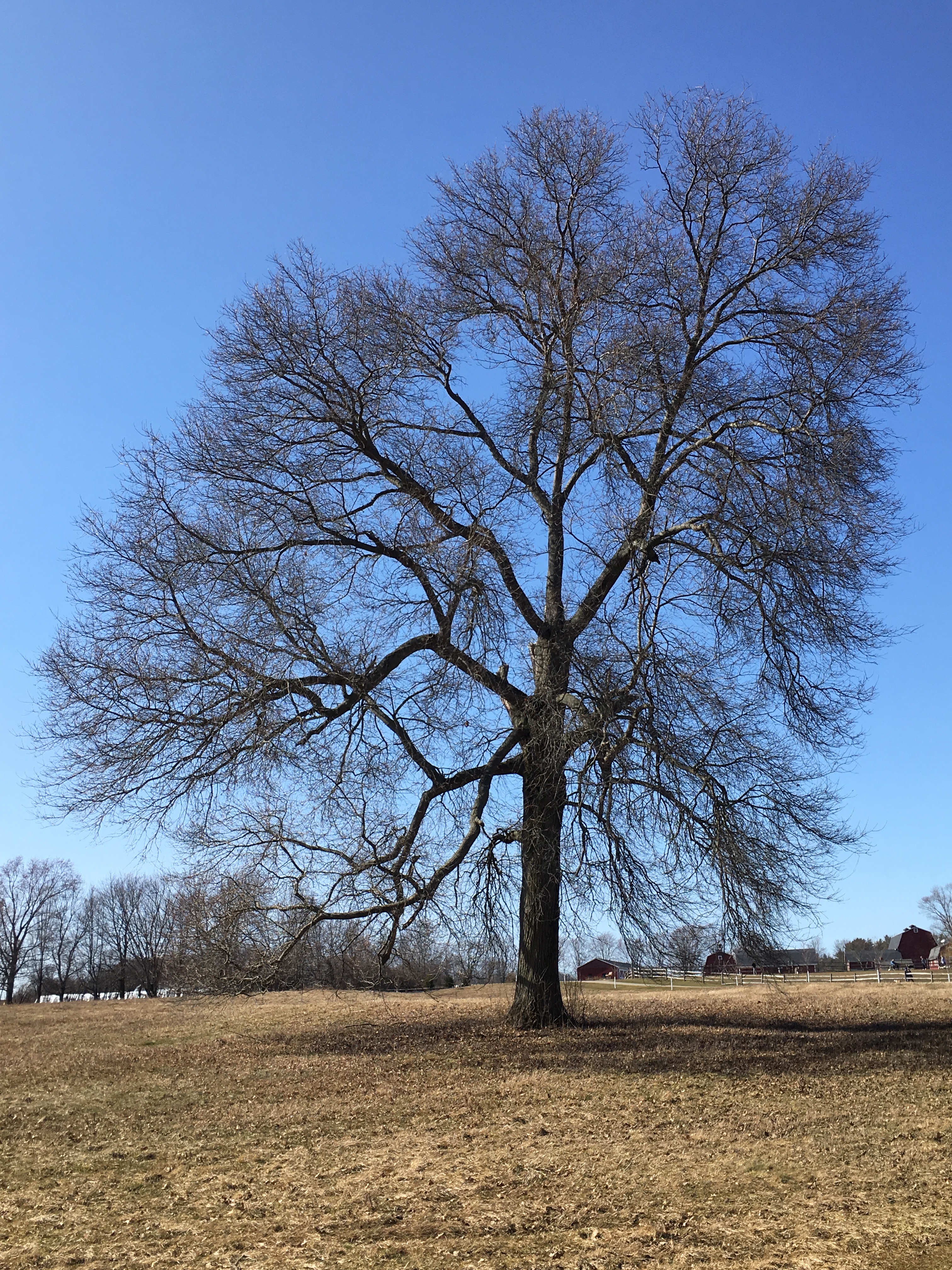
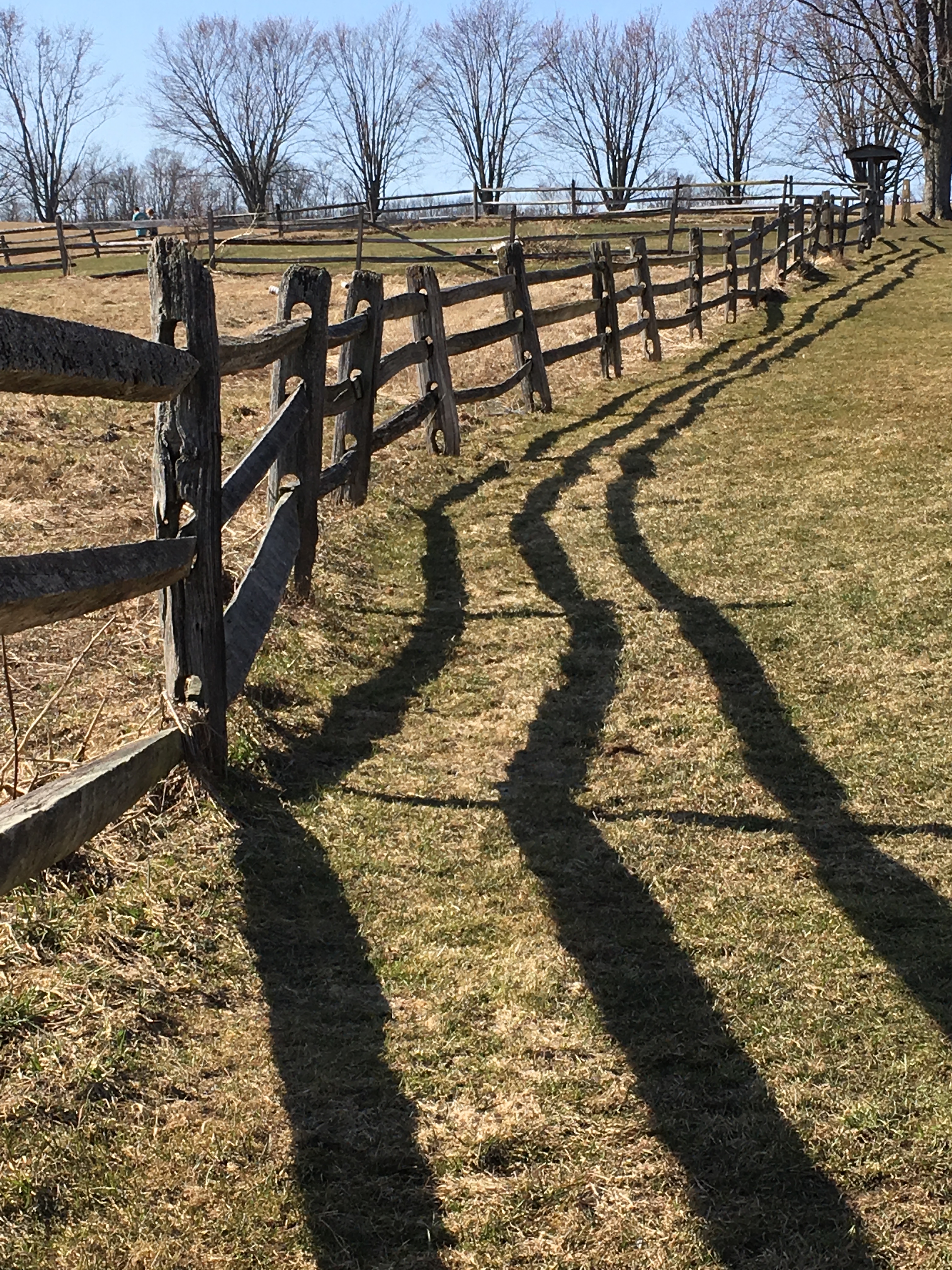
I realized on Sunday, while meandering through and around East Aurora’s Knox Farm State Park, that nature in Western New York needn’t exhibit stunning shades of green to please one’s eye. [Perhaps I was subjected to a bit more St. Paddy’s Day greenery this past week than my senses could handle.] I captured a handful of quite images, mostly subtle browns and gray, to share with you. Hope you enjoy them.
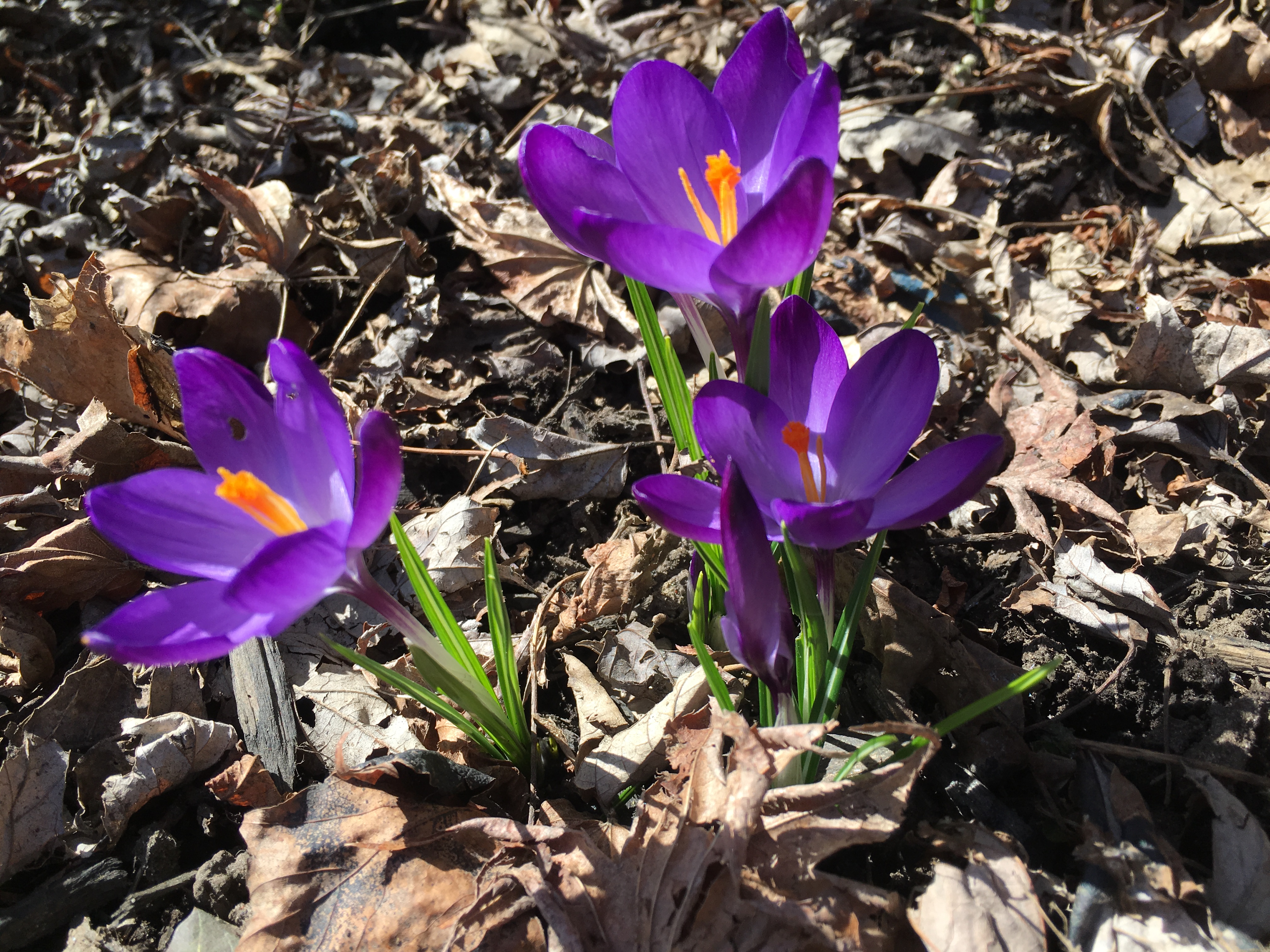
I’m going to cheat here, and add two photos that I took the morning after my hike through Knox Farm. These welcoming signs of spring were poking out of the decaying leaves in my South Buffalo front yard. They brightened my Monday!
“I’m the other Arthur.” Those were the awkward words I expressed to a standing room only crowd on the evening of May 12, 2015.
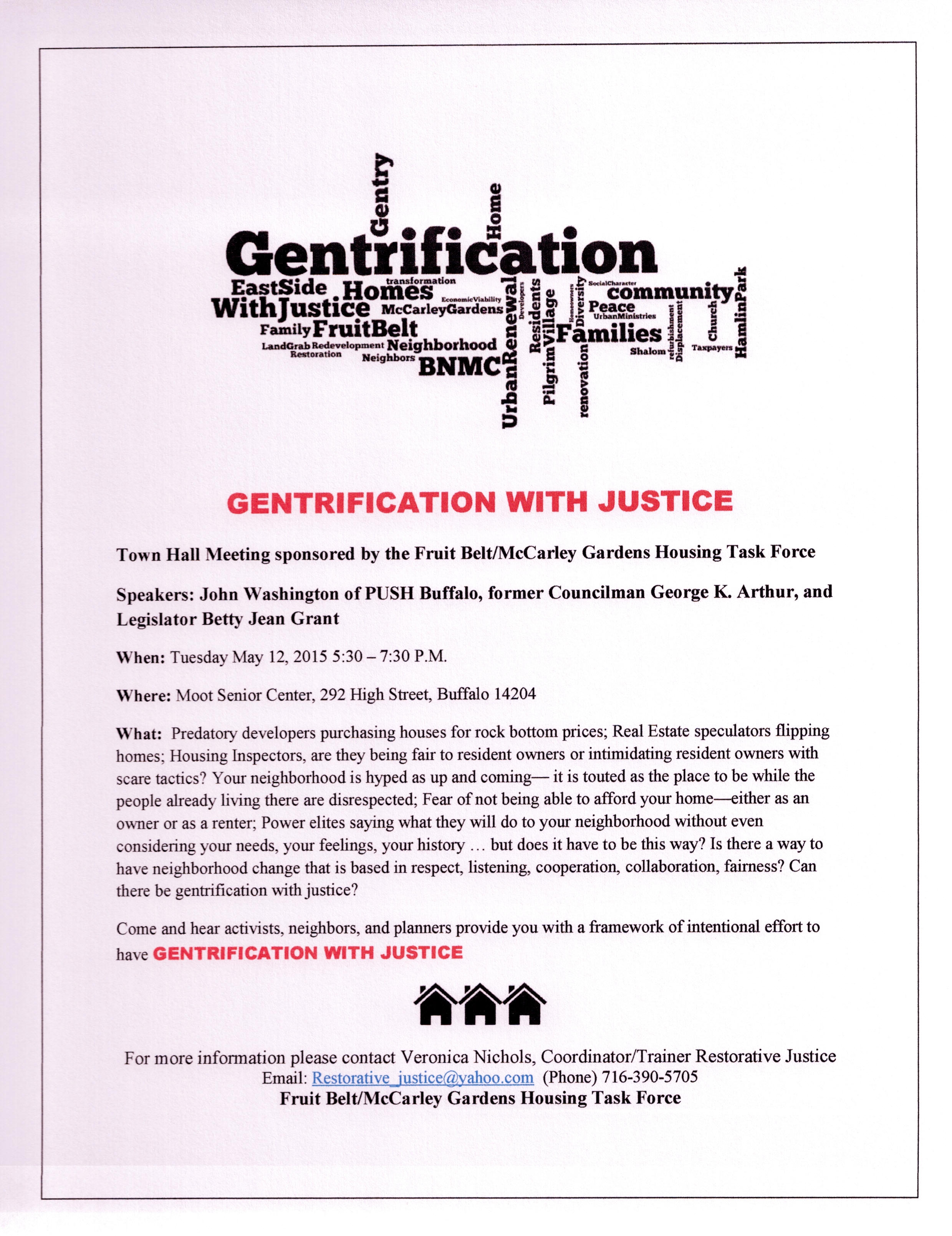
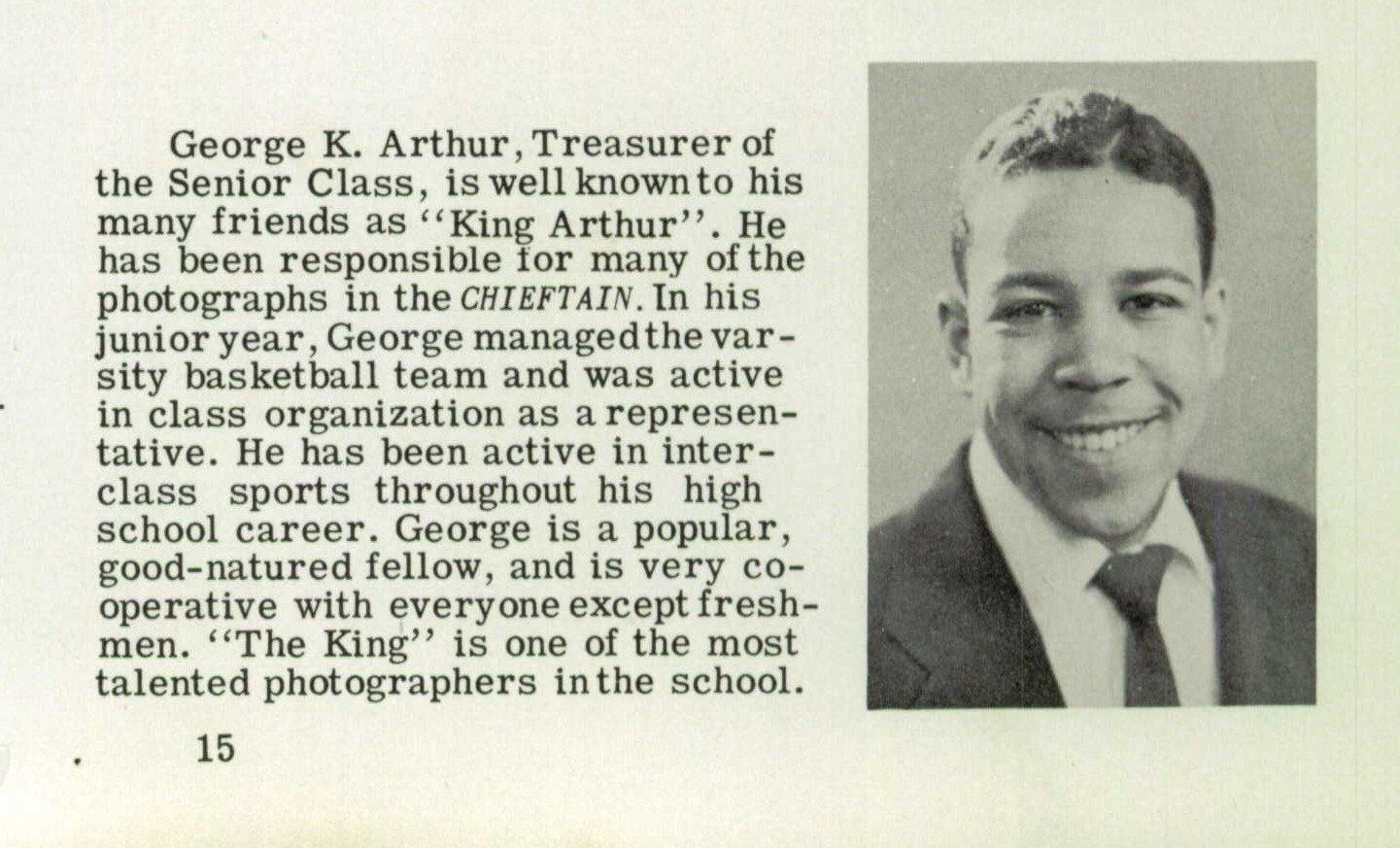
There I stood – a graying, 65-year-old Italian American lawyer – in the daunting position of being a last-minute replacement for the legendary George K. Arthur. The occasion was a town hall meeting, sponsored by the Fruit Belt/McCarley Gardens Housing Task Force, at the Moot Senior Center on High Street on Buffalo’s east side. The topic of the evening was “Gentrification With Justice.”
The hundred or so attendees were mostly people of color and residents of the Fruit Belt neighborhood and nearby McCarley Gardens. They came out that evening to hear what former City Council President George K. Arthur, Erie County Legislator Betty Jean Grant, and activist John Washington (then an organizer with PUSH Buffalo) had to say about the impact of Buffalo Niagara Medical Campus expansion on the Fruit Belt area. They wanted to hear whether neighborhood change could be based on respect, cooperation, and fairness. Few of the assembled knew of Art Giacalone (who, frankly, had never been mistaken for either an imposing physical presence, or a spellbinding speaker).
As a friend and one of the town hall organizers recently reminded me, in response to my maladroit opening line, “the audience laughed with the kind of acceptance that represented George.” I returned the favor by sharing with those in attendance a number of quotes from the Hon. George K. Here are two that still resonate:
First, in response to a question by Buffalo News reporter Susan Schulman, during a February 15, 2013 video, regarding the impact of gentrification on existing residents, the elder statesman did not hesitate to describe what he had observed for more than a half-century:
“Look at the history – The 1960s, Roswell Park lied to the community saying they were going to do certain things. Never honored their promises. . Today, the medical corridor – UB, Kaleida are playing the same game. The object is to move people out. … The problem: It’s too black. They’re misusing the people living there.”
Second, when asked by ArtVoice’s Buck Quigley in April 2010 what he would like to see happen in the Fruit Belt, George replied:
“I know what the Fruit Belt was, and I know what it can be. People have to pull together to make the Fruit Belt what it should be. And that means everybody working together, not just one or two.”
It had only been a week or so prior to the May 12, 2015 meeting that I had first met George, sitting around a small table at the original Jefferson Avenue location of Golden Cup Coffee. As a person interested in politics and the activities at Buffalo City Hall since moving to Buffalo in 1976, I was well aware of his reputation and the elected offices he had held. What I had not realized until then was how warm and self-effacing GKA was. But I was reminded of his thoughtful and kind personality every time our paths crossed from that day on. You would have thought that this man – 16 years my senior –had known me since our high school days.
[Retrieved through Ancestry.com from U.S., School Yearbooks, 1880-2012 – Seneca Vocational School, 1951 ]
Whether it was behind the stage at a jazz or blues festival, with a camera around his neck, or at a rally to preserve the character of his beloved Fruit Belt neighborhood, George would warmly greet and embrace me as a long-lost friend. We always promised each other that we would get together soon thereafter for a cup of coffee or lunch.
And, George was so generous with his encouragement and praise whenever I would send him a collection of photographs I had taken, whether of the Erie Basin Marina, Cazenovia Park, the Buffalo Erie County botanical gardens, or Rochester’s lilac festival . He may have been the talented master photographer, but he did not hesitate to inspire this amateur to keep on capturing beauty wherever observed. Little did he know how much he boosted my confidence when he kindly told me: “I want to follow you around Cazenovia Park to learn how you see the world.”
As with many Buffalonians, the December 25, 2020 passing of George K. Arthur leaves me wanting just one more cup of coffee, one more warm, embracing greeting, one more piece of practical insight, one more supportive word from this multifaceted, one-of-a-kind human being.
** Knowing that I can still make my 94-year-old mother – who resides in an independent senior community 75 miles away – laugh during a phone call.
Connie Giacalone Thanksgiving 2019
** Watching my bright, handsome, 20-year-old son talk – from the far-end of my socially-distanced dining room table – and realizing that we share an empathetic perspective on life and a quirky sense of humor.
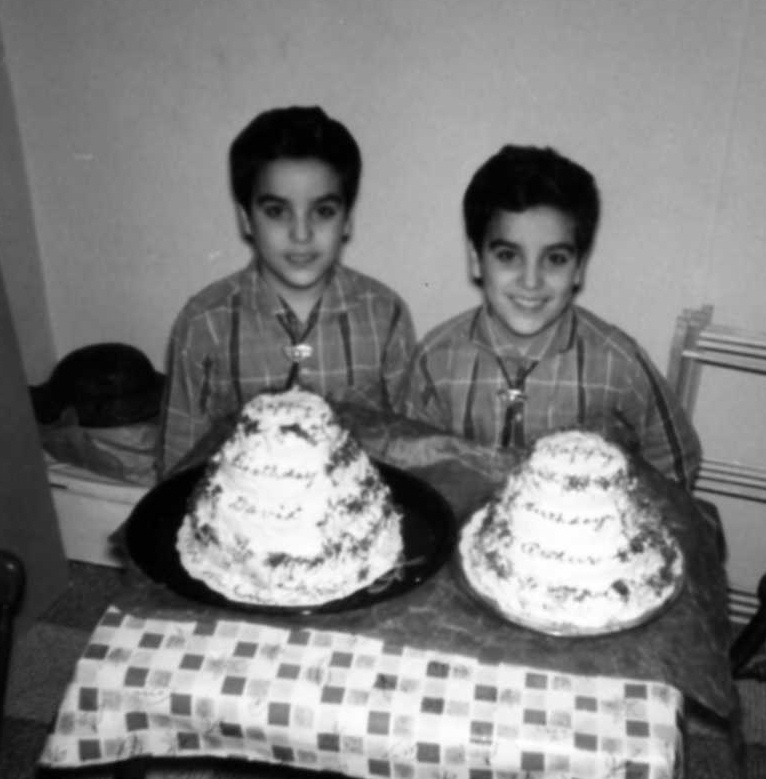
** Being reminded almost every day – through emails and occasional phone calls – that my identical twin brother, David (“the smarter of the Giacalone boys”) – is a kindred spirit who loves and accepts me despite my flaws.
Ninth Birthday, 12-09-1958 – Brother David on the left
** Seeing the resilience and pride of the “essential workers” who continue keeping the wheels of everyday life turning.
** Having downstate New York friends who don’t complain when I send them one-too-many photos of ducks congregating along Cazenovia Creek while I’m on an early morning walk.
** Having Buffalo friends and allies who remind me that, as exasperating as it may be, fighting to make Buffalo City Hall comply with the letter and spirit of zoning, development and environmental laws is a worthwhile and essential endeavor.
** Sensing that the Red Cross team really meant it when they expressed gratitude for donating a pint of my blood a few days ago.
** Remaining healthy and motivated enough to continue donating blood on a regular basis.
** While feeling isolated and rudderless in this divided country, having a Haudenosaunee friend tell me that I am an adopted member of the Tonawanda Seneca Nation.
Seneca Indian Park, Buffum Street, Buffalo Creek Reservation
** Having a casual acquaintance share her belief that “class can be defined by the goodness of the heart and mind, not by the pocketbook or club memberships!”
** Being reassured, by the November 2020 victory of Joe Biden and Kamala Harris, that things will be better.
Dec. 26 – “If you saw him, he was a person to behold.” – Sharon Holley, a key official and educator at the Nash House Museum, at the death at 87 of George Arthur, a civil rights groundbreaker, former president of the Common Council and extraordinary champion of Buffalo.
With All Due Respect (and, Gratitude),
Art Giacalone
CATEGORIES
March 2026
M
T
W
T
F
S
S
1
2
3
4
5
6
7
8
9
10
11
12
13
14
15
16
17
18
19
20
21
22
23
24
25
26
27
28
29
30
31
DISCLAIMER
This blog is provided for general informational purposes only. It should not be construed as legal advice and is not intended to be a substitute for legal counsel. Persons requiring legal advice should retain a properly licensed lawyer. No attorney-client relationship will be formed based on use of this site and any comments or posts to this blog will not be privileged or confidential. ***************
This blog's author, Arthur J. Giacalone, does not intend or consider the communications at this blog to be ATTORNEY ADVERTISING. The primary purpose of the communication is not for the retention of Mr. Giacalone's legal services. [See definition of "Advertisement" at Part 1200, Rules of Professional Conduct, Rule 1.0(a).] Nonetheless, in case the proper authorities choose to treat this web site as ATTORNEY ADVERTISING, the street address, phone number and email address of the law office of Arthur J. Giacalone are: 17 Oschawa Avenue, Buffalo, New York 14210; (716) 436-2646; AJGiacalone@twc.com.


































 With All Due Respect