With Thanksgiving 2025 arriving tomorrow, and wintry weather in the forecast, my spirits need to re-experience the pleasures of summer and early fall.






With All Due Respect,
Art Giacalone
With Thanksgiving 2025 arriving tomorrow, and wintry weather in the forecast, my spirits need to re-experience the pleasures of summer and early fall.
With All Due Respect,
Art Giacalone
I agree wholeheartedly with one point raised in the December 29th email from my longtime friend and former client, Margaret Wooster. It is time for citizens concerned about the Outer Harbor’s future to “strengthen our resolve and focus for the new year.” But I am absolutely convinced – after 32 years of representing residents in development and SEQRA cases – that the least effective step that could be taken at this juncture is to expend precious time, energy and money appealing the unfavorable decision rendered on December 9, 2021 by Supreme Court Justice Donna Siwek (see LWVBN v ECHDC – Siwek’s 12-09-21 Decision).
I greatly admire the grit shown by the Petitioners, League of Women Voters of Buffalo/Niagara, Inc., The 21st Century Park In The Outer Harbor, Inc., and The Western New York Environmental Alliance, Inc., in bringing the “Article 78 proceeding.” But here’s the reality: Their lawyers took a case that was going to be extremely difficult, at best, to win, and, in my professional opinion, gravely undermined any chance at success by their actions and omissions. Here are some examples:
First, complying with the four-month statute of limitations for challenging the determinations made by Erie Canal Harbor Development Corporation (ECHDC) isn’t just a “technicality.” It is a prerequisite for succeeding in a lawsuit. Commencing the lawsuit on June 24, 2021 was not only well beyond four months from the November 8, 2020 ECHDC approval of the contested plan and SEQRA “Negative Declaration,” it was more than four months from February 8, 2021, the date the ECHDC reaffirmed their original resolution. If Petitioners’ team of attorneys had hoped to prevail by making a “creative” legal argument, or by making new law on when the statute of limitations begins to run, they were obligated to fully inform their clients of the riskiness of their approach.
Second, a court challenge to a decision made by the City Planning Board – such as site plan approval, or LWRP consistency determination – must be brought within 30 days of the Planning Board’s action. The City Planning Board made its determinations relating to the ECHDC’s amphitheater plans on May 17, 2021, more than 30 days prior to the commencement of Petitioners’ lawsuit. [Note: On September 13, 2021, the City Planning Board revisited ECHDC’s site plan application, and reapproved it with conditions. The September 13th determination could have been challenged in court within 30 days of that approval by either filing a motion seeking to supplement the original Petition by adding the new claim(s), or by filing a second Article 78 petition. It appears that no such steps were taken.]
Third, as New York’s appellate courts have made clear, administrative boards – such as a municipality’s Planning Board or Zoning Board of Appeals – are separate and independent entities from the municipality itself. For that reason, when you challenge determinations made by the City of Buffalo Planning Board, the Planning Board is a “necessary party,” and must be expressly named as a Respondent in an Article 78 proceeding. By only naming the City of Buffalo as a Respondent, and failing to name the City Planning Board as a separate Respondent, Petitioners’ lawyers doomed any claims raised in the lawsuit based on City Planning Board actions or omissions.
Fourth, if a lawyer wishes to prevent construction-related activities – including vegetation removal and grading – during the pendency of a lawsuit, he or she must seek a restraining order or “preliminary relief” in a timely manner New York’s appellate courts have frequently held that, when no timely and meaningful attempt has been made to preserve the clients’ rights by requesting such relief, and significant construction-related activities occur, an appeal from an unfavorable ruling may be rendered “moot,” and the appeal dismissed. Here, for whatever reason, Petitioners’ lawyers did not seek a restraining order or preliminary relief in June 2021 when the lawsuit was commenced, despite the fact that the City Planning Board and Common Council had already given their approvals to the project. Nor did they file a motion seeking preliminary relief – despite four months of adjournments – at the time oral argument was heard in November 2021. [Note: Even if the request for preliminary relief had failed, under well-established legal precedent, the ECHDC would have been put on notice that it proceeded with any construction “at its own risk.”] Not even Justice Siwek’s unfavorable decision on December 9, or the subsequent sight of construction equipment at the site of the proposed amphitheater shortly thereafter, resulted in a prompt filing of papers requesting preliminary injunctive relief.
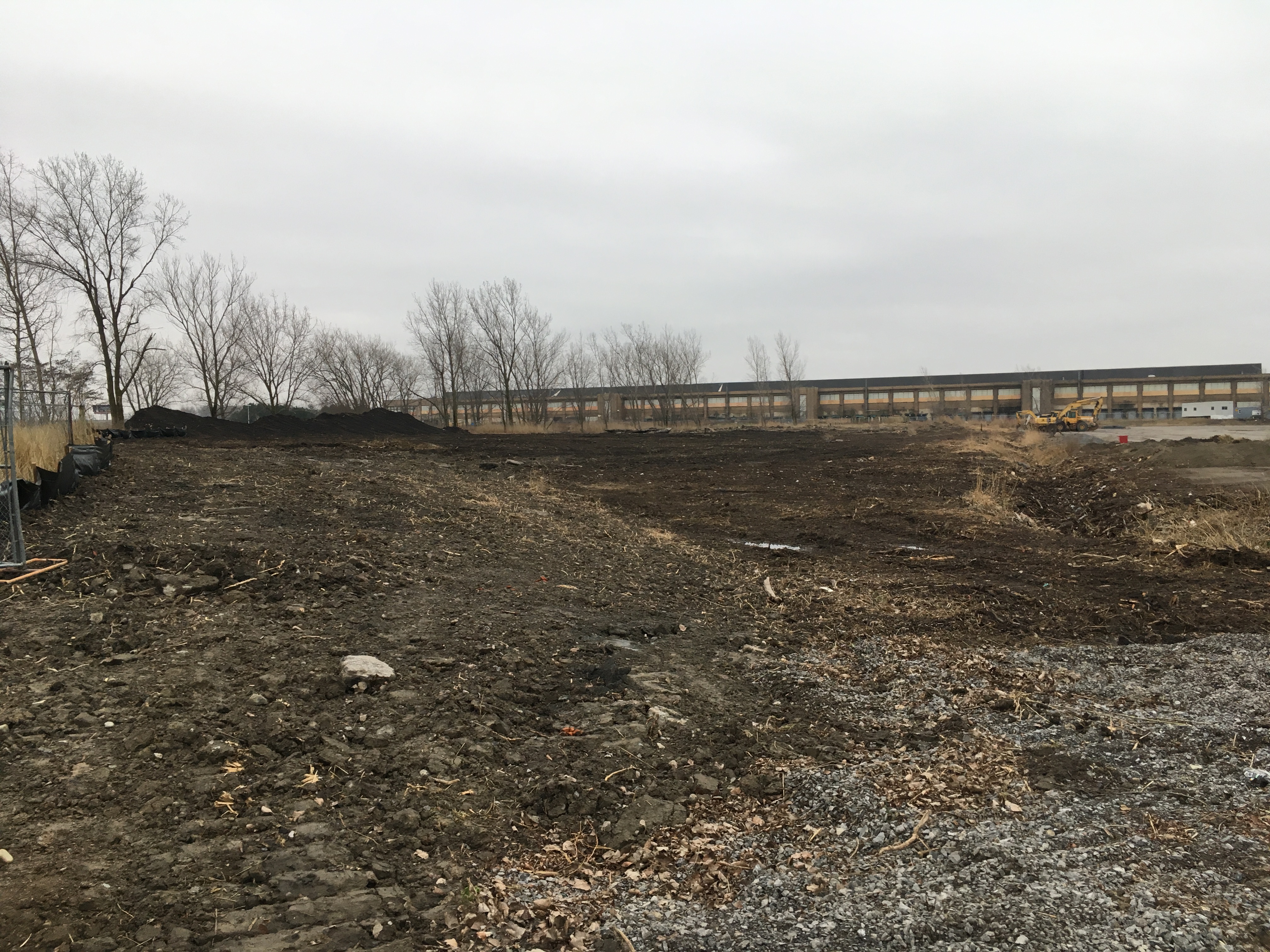
Because Petitioners’ lawyers have not, in my opinion, done “all they could do to timely safeguard their interests,” an injunction or “stay” at this point to prevent further destruction of our recovering Lake Erie coast is highly unlikely, and would have to be secured by a bond or other sizeable undertaking. [Note: If the appeal proceeded and was unsuccessful, Petitioners would be held liable for damages to ECHDC resulting from the delays.] Also, it appears, such injunctive relief at this stage – given the removal of over 100 trees and other vegetation, and the bulldozing and scraping off of soil on 5+ acres of the amphitheater’s “great lawn” – would be, at best, too little, too late.


I’m not happy to have to write this blog post. And, I won’t claim to have any great ideas on what steps need to be taken. But I urge Buffalo Outer Harbor Concerned Citizens to find a new focus for 2022.
With All Due Respect,
Art Giacalone
Photos taken May 18, 2021.


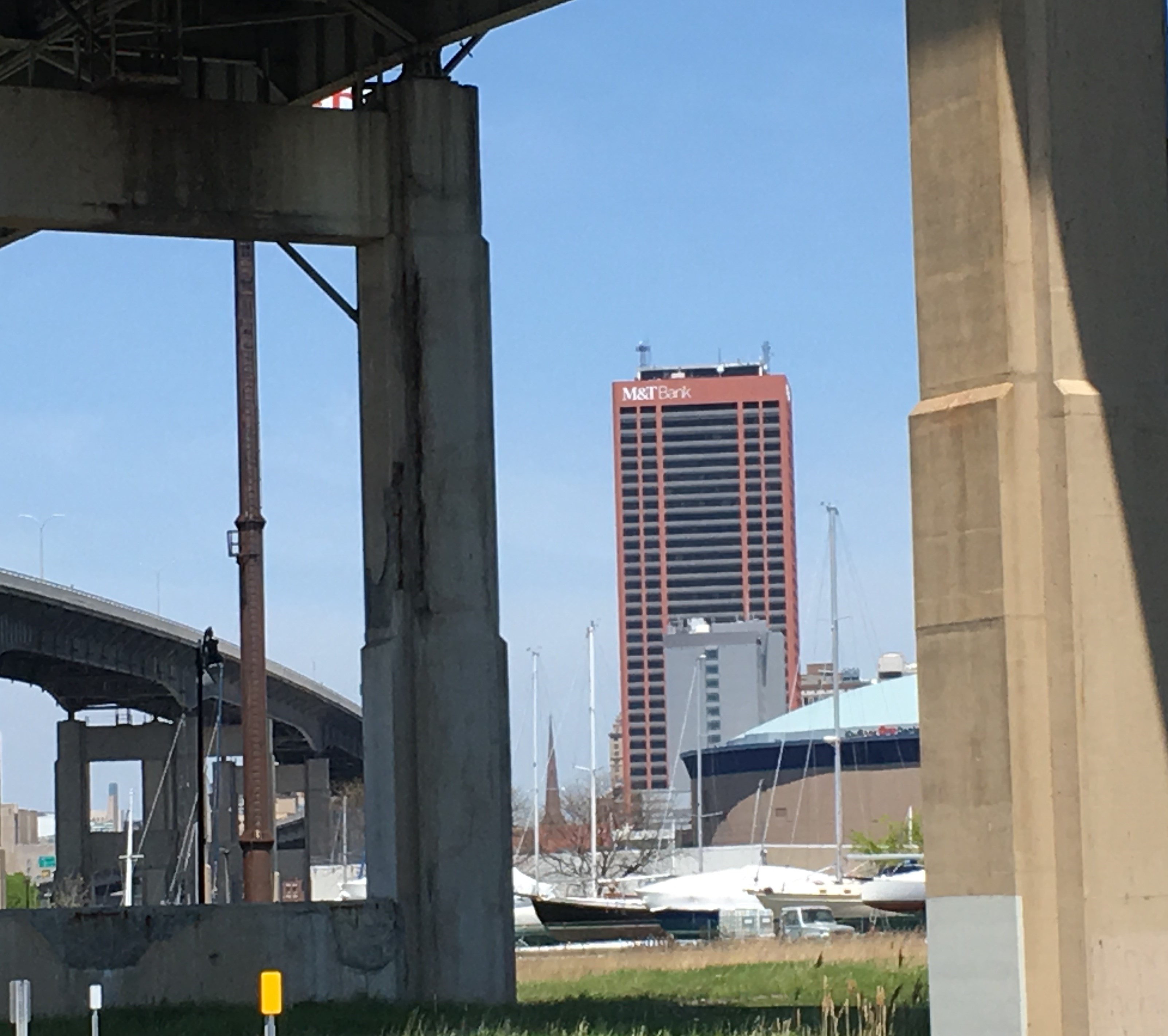


With All Due Respect,
Art Giacalone
[CAVEAT: When this post was initially written, I incorrectly believed that the City of Buffalo Common Council had not rezoned land at the Buffalo Lakeside Commerce Park in furtherance of the subject cannabis cultivation facility. In fact, on May 14, 2019, Buffalo’s Common Council did approve Zephyr Partners’ request to rezone four parcels of land on Laborer’s Way from D-C (“Flex-Commercial”) to D-IL (“Light Industrial”). On March 30, 2021, when I investigated the zoning status of 15, 51, 87 and 125 Laborer’s Way, in preparation for writing this series of posts, the City of Buffalo’s on-line “Property Information” site incorrectly listed the zoning status of each of the four parcels as “D-C.” I regret any confusion this post may have caused regarding the Common Council’s action in May 2019 in furtherance of Zephyr Partners’ plans.]
[UPDATE: What was a theoretical threat when I wrote this post this past April was become a reality. Zephyr Partners has applied for a Major Site Plan Review for Phase 1 of its proposed 1.375 million square-foot cannabis cultivation/processing/ distribution facility at the Buffalo Lakeside Commerce Park on Buffalo’s Outer Harbor. The City of Buffalo Planning Board will conduct a virtual public hearing during its October 25, 2021 meeting (which starts at 4 PM) to allow the public an opportunity (most likely its only opportunity) to address the proposed project. It appears on the agenda as 15 Laborers Way and 310 Ship Canal Parkway. The applicant’s submissions in support of its request can be found at pages 144-162 of the Planning Board’s 10/25/2021 Journal (the SEAF is at pp. 147-149). Note: The Common Council rezoned 15 Laborers Way and three adjoining parcels from D-C to D-IL on May 14, 2019. [The papers before the Common Council at that time can be found at pages 819-1,022 of the “Proceedings” for the May 14, 2019 regular meeting.]
[Note: This posting is the third in a three-part series regarding the development of cannabis cultivation facilities in Buffalo, NY, and will discuss how SEQRA provides the investigatory tools to assist Buffalo’s Common Council in assessing the potential environmental impacts of a marijuana grow facility. The first post, titled “South Buffalo Cannabis Facility is not in the Public Interest, ” provides my concerns regarding a marijuana cultivation-processing-shipping facility proposed in 2019 for the southern end of Buffalo’s Outer Harbor by Zephyr Partners (and, that is expected to be resurrected now that NYS has an adult-use marijuana law). The second, “Buffalo’s Green Code Prohibits Cannabis Cultivation Facilities,” explains how I reached the conclusion that the City of Buffalo’s zoning ordinance does NOT currently permit a cannabis “grow” facility within its borders.]
Zephyr Partners applied in early 2019 to rezone about 15 acres of land at the Buffalo Lakeside Commerce Park [BLCP] in South Buffalo as part of its larger plan for a 47-acre, 1.375 million square-foot cannabis cultivation, processing, and shipping facility a short distance from the Lake Erie shoreline. The developer proposed rezoning four parcels from D-C Flex Commercial to D-IL Light Industrial. [CORRECTION: On May 14, 2019, Buffalo’s Common Council did approve Zephyr Partners’ request to rezone 15, 51, 87 and 125 Laborer’s Way from D-C (“Flex-Commercial”) to D-IL (“Light Industrial”) in furtherance of the project.]
I do not doubt the good intentions of the Common Council or its staff when they reviewed the proposed project two years ago and attempted to assess its potential environmental impacts. But, I assume that no one involved in the review is an environmental scientist, licensed engineer, or architect. In effect, this complex and critical task – concerning what is for Buffalo a new and unregulated industry – was performed with a proverbial mask over their eyes and arm tied behind their backs. In essence, the scope of the environmental review was defined by Wendel, the engineering and architectural firm hired by Zephyr, and virtually all of the information the Common Council and its staff relied upon when assessing potential impacts came from the folks least likely to be objective and totally forthcoming, the project sponsor’s consultants.
Without adequate tools, the Common Council members unanimously adopted, a “Determination of Non-Significance” or “Negative Declaration” under the State Environmental Quality Review Act [SEQRA]. That document, which was approved on May 14, 2019, declared that the proposed 1.375 million-square-foot cannabis cultivation facility “will not have an adverse impact on the quality of the environment,” and ended environmental review by concluding that “a Draft Environmental Impact Statement [DEIS] will not be prepared.”
Here are principles and factors I urge the City of Buffalo to keep in mind if and when the recent enactment of New York’s Cannabis/Marijuana Regulation & Taxation Act (MRTA) motivates Zephyr Partners to revive its dormant project:
1. There is a presumption under SEQRA that the proposed facility – a “Type 1 action” – “is likely to have a significant adverse impact on the environment and may require a DEIS” (Draft Environmental Impact Statement). [See 6 NYCRR 617.4(a)(1).] Zephyr’s massive cannabis cultivation/processing/shipping facility does not just barely meet SEQRA’s thresholds for a “Type 1 action.” It obliterates those standards:
(a) The proposed 1,375,000 square-foot facility is nearly six times the footprint of the 240,000 square feet of gross floor area for non-residential construction that triggers SEQRA’s Type 1 status in a city the size of Buffalo. [Zephyr’s March 5, 2019 letter of intent does not mention this category of Type 1 actions.]
(b) The plan to physically disturb 47.6 acres of the site is nearly five tines SEQRA’s 10-acre threshold for a Type 1 action.
Additionally, the fact alone that the proposed cannabis facility is “substantially contiguous to any publicly owned or operated parkland, recreation area or designated open space” – that is, immediately abuts the Ship Canal Commons – makes it a Type 1 action carrying with it the presumption that it is likely to have a significant adverse impact on the environment. [Zephyr’s March 5, 2019 letter of intent also does not mention this category of Type 1 actions.]
2. The obligation of a lead agency to issue a Positive Declaration and require the project sponsor to prepare a DEIS is triggered by “a relatively low threshold” – that is, the DEIS is needed if the action MAY have a significant effect on any one or more aspects of the environment. [See 6 NYCRR 617.7(a)(1), 617.1(c).] Under SEQRA, the Common Council has the obligation – as “stewards of the air, water, land and living resources” – to not shy away from requiring a DEIS, and to not rationalize why a Negative Declaration should be issued. SEQRA mandates that a Positive Declaration be issued whenever a proposed project may have a significant adverse impact on any aspect of the environment (including aesthetic resources or neighborhood character).
3. The Environmental Impact Statement is “the heart of SEQRA”. SEQRA has designed the Draft EIS and Final EIS process to ensure that the lead agency undertakes a full review of the adverse environmental effects of a project, provides the public with access to the review and the ability to assist the agency in the decision-making process, considers alternatives to the project, and carefully considers meaningful and practicable mitigation measures. [See, for example, Miller v. City of Lockport, 210 AD2d 955 (4th Dept. 1994).] It is an effective tool to help guarantee an informed decision whether to approve or deny a proposed action.
4. As lead agency, the Common Council has the authority under SEQRA to hire environmental, engineering, or planning consultants to review the project sponsor’s DEIS, and to charge the applicant a fee to recover the actual costs of that review. SEQRA anticipates that members of a lead agency often may lack the technical expertise needed to fully assess the potential impacts pf a proposed project. It is for that reason that the SEQRA regulations not only require a lead agency to inform other interested agencies of a proposed action and solicit their input, but also empowers the lead agency to hire consultants with the requisite expertise, and to pass on the expense to the project sponsor. [See 6 NYCRR 617.13(a), (c).]
Application of these principles to Zephyr Partners’ proposed facility demonstrates the important role of the DEIS process. Here are several examples:
A. Odors.
As noted in my April 6, 2021 post, Zephyr’s engineering consultant mentions in its Full Environmental Assessment Form [FEAF] that there are “odors associated with processing” cannabis – an accessory use at the site – but they say nothing about the strong skunk-like odor associated with the growth of the plant, the primary activity to be conducted 24/7 throughout the entire year. The pervasive and offensive nature of the odors resulting from marijuana cultivation (acknowledged by Public Health Ontario, and the Air-Conditioning, Heating and Refrigeration industry, and even in the Cannabis Industry Times) mandates a “hard look” that goes beyond the self-serving, anecdotal, non-scientific claim in Zephyr’s supporting papers that a California marijuana facility where Chlorine Dioxide is used for odor mitigation reports no complaints. Given the fact that the City of Denver’s 2018 “Cannabis Environmental Best Management Practices Guide” (BMP) strongly recommends the use of carbon filtration, not ClO2, as the best odor-control technology for cannabis cultivation, the DEIS process would allow an assessment and comparison of alternative mitigation measures by experienced engineering professionals. This is especially needed given Zephyr’s plans to construct multiple “greenhouses” immediately adjacent to the walking/biking/nature trails of the Ship Canal Commons, and in close proximity to the existing companies at the Buffalo Lakeside Commerce Park (Sonwil Distribution, CertainTeed, and Cobey, Inc.).
B. Impacts on Aesthetic Resources, Parkland, and Existing Character.
As also noted in my April 6th posting, the proposed project is not an idyllic “pot farm.” Zephyr plans a massive industrial facility, with seven “high tech greenhouses” 30 feet tall, and ranging from 94,000 to 168,500 square feet in area. This project would not only reside across Tifft Street from the Tifft Nature Preserve, and be visible from the Seaway Trail (a national scenic by-way), its southern boundary would adjoin the Ship Canal Commons – a public park and nature trail. SEQRA considers a proposed project’s location that is “substantially contiguous” to a public park, recreation area, or open space, to be of such potential concern that it makes it a “Type 1 action” as long as it “exceeds 25 percent” of its designated Type 1 thresholds. The southernmost cannabis cultivation (“grow”) facility alone, at 94,080 square feet, is 50% larger than the 60,000-square-foot minimum needed to trigger the Type 1 status when a project is adjacent to a public park/recreation area/open space.
When the Common Council issued its March 2019 Negative Declaration, concluding that the proposed action would not have a significant adverse impact on aesthetic resources, open space or recreational resources, or existing neighborhood character, the determination of non-significance incorrectly stated that “properties that are industrial in nature border the new development on the south…” This characterization contrasts starkly with two descriptions of the adjacent Ship Canal Commons found at the website of Wendel, Zephyr’s engineering consultant: “a 22-acre interpretive greenspace” and “a pastoral passive activity space.” With the issuance of a Positive Declaration, the lead agency would be in a position to require the project sponsor to provide objective evidence of the potential impacts of 30-foot tall, 94,080-square-foot and larger greenhouses located immediately to the north of this 22-acre public park and open space. That evidence could include, for example, “view shed analysis” and computer-generated images. With such documentation, the Common Council and the public would be in a position to reach fully-informed conclusions regarding the project’s potential adverse impacts on aesthetics, parkland, and neighborhood character. [Click on an image to enlarge it.]

C. Impacts on Human Health.
The creation of a hazard to human health is one of the “indicators of adverse impacts on the environment” found in the SEQRA regulations. [See 6 NYCRR 617.7(1)(vii).] When addressing this criterion, both Zephyr’s 2019 submission in support of its rezoning request, and the Common Council’s Negative Declaration, are silent on the topic of worker health at a cannabis cultivation facility. However, had a Positive Declaration been issued in 2019, members of the public would have been in a position to advise Buffalo’s legislative body of an article prepared by the American Institute of Architects’ risk-management arm, AIA Trust, entitled, “Guide to Marijuana Facilities Design.” That document attributes to “grow facilities” temperature and humidity comparable to indoor swimming pool centers, conditions that expose employees to fungi and other undesirable results. Moreover, under the subheading, “Worker Safety,” the AIATrust article states: “At marijuana grow facilities, workers are also subject to chemical exposure from fertilizers and pesticides, from sulfur dioxide as a result of fumigation, and from carbon dioxide asphyxiation.” [See AIATrust Guide-Marijuana-Facilities-Design.]
Given Zephyr’s claim that its facility would ultimately employ 500 to 1,000 workers, the human health implications of the proposed cannabis cultivation complex is an important topic for consideration under SEQRA.
D. Conflict with Official Goals and Plans. There are a number of significant ways in which the proposed action contradicts the March 2019’s conclusions that the proposed action is “consistent with the current Land Use Plan and the goal of further developing the Industrial Park,” and “with the character of the neighborhood”:
(1) The zoning map adopted by the Common Council in December 2016 is nuanced. It places the land to the south of Laborers Way and immediately adjacent to the Ship Canal Commons – a public park zoned D-OG – in the less intrusive, less dense D-C Flex Commercial zone. The land to the north of Laborers Way is zoned D-IL. The proposed rezoning would do away with that rational distinction.
(2) The goal expressed by the Buffalo Urban Development Corporation when Laborers Way and surrounding infrastructure was completed was not merely to further develop the Industrial Park, but the specific goal of “attracting green companies to the City of Buffalo.” As addressed below in “Impacts on Energy,” a cannabis cultivation project is anything but “green.” Additionally, the BUDC divided the 47-acres adjoining Laborers Way into eight (8) medium-sized parcels, referred to as “Available Sites,” not one large assemblage serving one company.
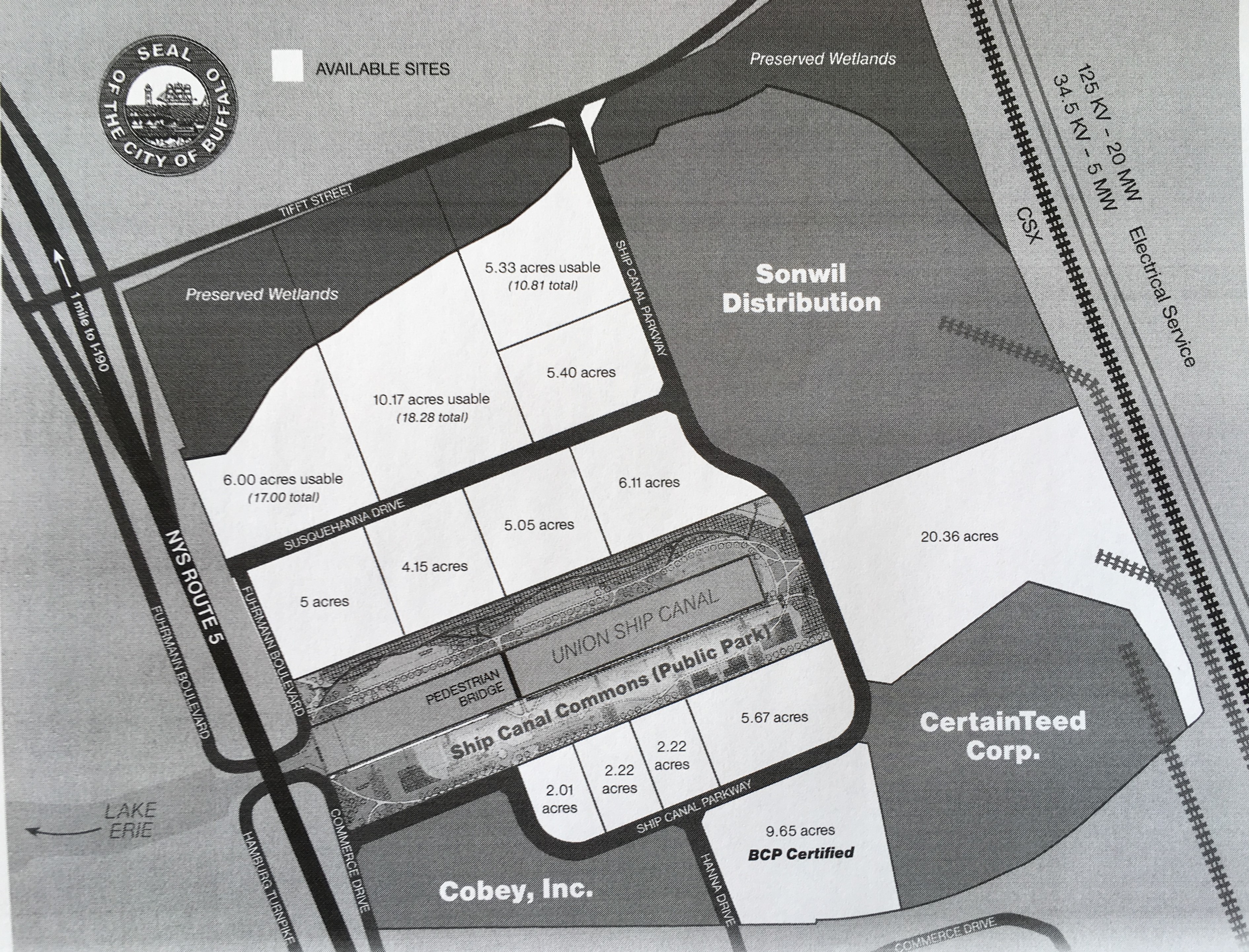
(3) The proposed project, with 1,375,000 square feet of development on 47.6 acres, has a developed density of 28,888 square feet per acre. That proposed density is greatly out-of-character with the existing businesses at the Buffalo Lakeside Commerce Park: Sonwil Distributor consists of 300,000 square feet of structures on 52 acres, for a density of 5,769 square feet per acre; CertainTeed has 270,000 square feet on 25 acres, or 10,800 square feet per acre; and, Cobey’s building contains 90,000 square feet (which is a smaller footprint than Zephyr’s smallest greenhouses) on 12 acres, with a density of 7,500 square feet per acre.
(4) The adopted plans and maps envision the existence of a public right-of-way, Laborers Way (which was constructed with taxpayers’ money). Zephyr Partners’ plan eliminates Laborers Way.
E. Impacts on Energy.
Zephyr Partners states in its FEAF that its facility would generate an estimated annual demand of 25 MW of electricity. Currently the site uses none. When the infrastructure was installed (at taxpayer expense) for the portion of the Buffalo Lakeside Commerce Park where the proposed cannabis cultivation project would be located, the Buffalo Urban Development Corporation expressed its goal of “attracting green companies to the City of Buffalo.” According to Denver’s 2020 Best Management Practices guidelines, the cannabis cultivation industry is far from a “green” industry. It is a “resource intensive process,” largely due to energy demands for lighting, HVAC and dehumidification, which are a leading driver of greenhouse gas emissions, and result in the industry’s sizeable environmental footprint. The DEIS process would allow the gathering of objective data so that the Common Council can compare the proposed project’s impact on energy with that of “green companies.”
The above list of environmental concerns relating to cannabis cultivation facilities is not meant to be exhaustive. Nonetheless, as long as any of these areas of adverse environmental impacts “may” be considered significant, the Common Council is obligated under SEQRA to issue a Positive Declaration and require preparation of a Draft Environmental Impact Statement.
With All Due Respect
Art Giacalone
[CAVEAT: When this post was initially written, I incorrectly believed that the City of Buffalo Common Council had not rezoned land at the Buffalo Lakeside Commerce Park in furtherance of the subject cannabis cultivation facility. In fact, on May 14, 2019, Buffalo’s Common Council did approve Zephyr Partners’ request to rezone four parcels of land on Laborer’s Way from D-C (“Flex-Commercial”) to D-IL (“Light Industrial”). On March 30, 2021, when I investigated the zoning status of 15, 51, 87 and 125 Laborer’s Way, in preparation for writing this series of posts, the City of Buffalo’s on-line “Property Information” site incorrectly listed the zoning status of each of the four parcels as “D-C.” I regret any confusion this post may have caused regarding the Common Council’s action in May 2019 in furtherance of Zephyr Partners’ plans.]
[Note: This posting is the second in a three-part series regarding the development of cannabis cultivation facilities in Buffalo, NY. The first post, titled “South Buffalo Cannabis Facility is not in the Public Interest, ” provides my concerns regarding a marijuana cultivation-processing-shipping facility proposed in 2019 for the southern end of Buffalo’s Outer Harbor by Zephyr Partners (and, that is expected to be resurrected now that NYS has an adult-use marijuana law). Today I explain why I have reached the conclusion that the City of Buffalo’s zoning ordinance does NOT currently permit a cannabis “grow” facility within its borders.]
Zoning ordinances are an attempt by cities, villages and towns to protect and promote the public health, safety and welfare by establishing standards intended to ensure the orderly and compatible use of land. These local laws divide a municipality into geographical areas called zones or zoning districts, and spell out the uses, and scale of buildings and lots allowed in each zone. [For a basic overview of land use and zoning laws, see the citizen’s guide that I helped to write, published by Partnership for the Public Good, Buffalo, in December 2018: click here.]
The City of Buffalo’s zoning ordinance is officially called the Unified Development Ordinance (UDO), and is unofficially known as the “Green Code.” It was adopted by the city’s legislative body, the Common Council, in late 2016, and went into effect in early 2017. The UDO contains twenty-two zones, and spells out the activities or uses that are allowed in each zone. The UDO/Green Code’s list of permitted uses is found at ”Table 6A, PRINCIPAL USES,” and identifies eighty-six (86) categories of uses, organized under eight (8) subheadings: Residential, Civic, Lodging, Retail & Service, Employment, Agriculture, Transportation, and Infrastructure.
[Click on an image to enlarge it.]


The term “principal use” refers to the main or primary use or uses conducted on a lot or within a building; in contrast, an “accessory use” is a use located on the same site as a principal use that is incidental or subordinate to the principal use. Buffalo’s zoning ordinance allows a site to have more than one principal use, as long as each principal use is permitted in the zone.
The UDO’s “Principal Uses ” table divides uses into two categories: “permitted uses,” which are uses permitted “by right” in the particular zone, that is, that are in compliance with the UDO and may be processed administratively by the city without the need for a public hearing; and, “special use” uses, which are activities considered to have increased potential for incompatibility in a zone, and, for that reason, require the approval of a “special use permit” by the Common Council – after a public hearing – before being allowed in the zone.
Under the UDO/Green Code, a land owner or developer who wishes to conduct an activity at a particular site needs to first identify the zone within which the site is located (by checking out the UDO/Green Code’s Citywide_Zoning_Map_January2017, or by going to the Property Information tab at the City’s website). If the use is listed as a “permitted use” on the UDO’s Table 6A, it is allowed “by right” in the zone. Additionally, if an activity is not included as a permitted use in any of the twenty-two zones, but the City’s “Zoning Administrator” concludes that it is “similar in nature and impact” to a use listed in Table 6A, the activity may be treated as a permitted use. On the other hand, “If a use is not listed and cannot be interpreted as similar in nature and impact to a use that is listed in Table 6A, the use is deemed prohibited.” [See, UDO, Section 6.1.1(B), (D) & (E).]
With this understanding of the UDO, we can apply these rules to Zephyr Partners’ March 2019 proposal for a cannabis cultivation project on eight parcels of land on Laborers Way in South Buffalo.
Zephyr’s design team provided the following “Project Description” in its March 5, 2019 correspondence to the Common Council:
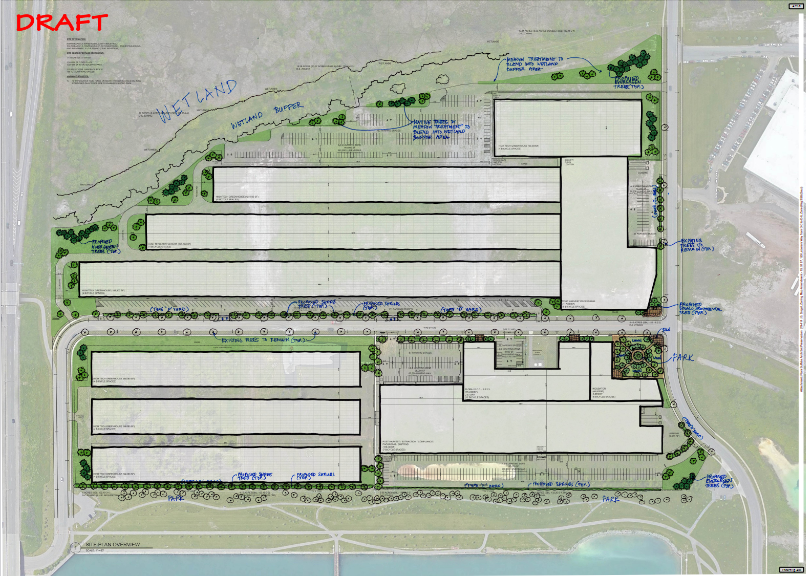
The proposed action is to develop 1.375 million square feet of cannabis cultivation facilities along with processing, quality control, extraction, research, and shipping/ receiving facilities. The proposed development makes use of eight existing sites to the north and south of Laborers Way in the City of Buffalo (north of Union Ship Canal in the Lakeside Commerce Park). Roughly 65% of the built structures will house the growing facilities while the other 35% will house the accessory functions. Protected wetlands are immediately north of the site and the Union Ship Canal is to the south across a public park.
Four of the eight parcels – located on the north side of Laborers Way – are zoned “D-IL Light Industrial,” and total about 27 acres The four parcels on the south side of Laborers Way are in the “D-C Flex Commercial” zone, and comprise roughly 20.5 acres. With its March 5, 2019 submission, Zephyr asked the Common Council to rezone the four D-C Flex Commercial parcels to D-IL Light Industrial, claiming that their proposed cannabis production facility was permitted by right in the D-IL zone, and with a special use permit in the D-C zone. [CORRECTION: On May 14, 2019, Buffalo’s Common Council rezoned 15, 51, 87 and 125 Laborer’s Way from D-C to D-IL.]

I can find no evidence in the public record that City Hall administrators – or the Common Council – ever questioned the project sponsor’s assertion that a cannabis cultivation facility is a permitted use in the D-IL and D-C zones. As explained below, I have concluded that Zephyr’s assertion is incorrect. The growing or cultivation of marijuana envisioned by Zephyr – its principal use – neither fits into any listed permitted use in the D-C or D-IL zones (or, any of Buffalo’s 22 zones), nor can be reasonably treated as similar in nature and impact to a permitted use.
At first glance, the terminology used for two of the UDO/Green Code broad categories of “principal uses” – Agriculture and Employment – might appear as potential candidates for allowing marijuana cultivation activities. But the integrity of the zoning process mandates that the City’s zoning administrators look beyond Table 6A’s subheading when treating a proposed activity as a permitted use.
“Cannabis cultivation facility” is not expressly listed as a permitted activity in the UDO. That’s not a surprise given the illegality of cannabis usage by the general public when the Green Code was adopted in late 2016. Consistent with the urban character of the City of Buffalo, there are only two activities – and both limited in scope – permitted as an “Agriculture” use in the UDO: “Community Garden” and “Market Garden.” Neither category envisions a massive, for-profit, commercial farm within the city limits, and neither can be reasonably thought of as a commercial-scale marijuana “grow” facility. Here is what the Green Code provides:
6.1.7 Agriculture
A. Community Garden. A site where food, ornamental crops, or trees are grown for group, shareholder, or lessee use, or for donation.
1. Seed, fertilizer, and feed must be stored in sealed, rodent-proof containers.
2. No equipment, process, or other practice may be employed at a community garden that creates dust or odors detectable off the property, or any other effect determined by the Commissioner of Permit and Inspection Services to be detrimental to the public health, safety, or welfare.
B. Market Garden. A site where food, ornamental crops, or trees are grown for sale to the general public.
1. A special use permit for a market garden may be granted in an N-4-30 or N-4-50 zone only
if located east of Jefferson Avenue, south of Best Street/Walden Avenue, west of Bailey
Avenue, and north of Clinton Street.
2. Seed, fertilizer, and feed must be stored in sealed, rodent-proof containers.
3. No equipment, process, or other practice may be employed at a market garden that
creates dust or odors detectable off the property, or any other effect determined by
the Commissioner of Permit and Inspection Services to be detrimental to the public
health, safety, or welfare.
4. Agricultural products, plants, eggs, and honey grown or produced on or within the
subject property or within the City of Buffalo may be sold on the premises if the market
garden use is the only use of the subject property or occupies at least 50% of the area
of the property. In addition, foods prepared on site or off site may be sold if the principal
ingredients are grown or produced on the subject property or within the City of Buffalo.
5. On-site sales within an N-2R, N-3R, N-4-30, or N-4-50 zone must comply with the following:
a. No structure or building except for a maximum of one market stand may be
used to sell produce or other goods. b. On-site
The massive quantity of marijuana Zephyr plans to grow at the South Buffalo site certainly is not the “food, ornamental crops, or trees” envisioned in the UDO’s description of “Community Garden.” And, under New York’s newly enacted adult-use marijuana law – the Cannabis/Marijuana Regulation & Taxation Act (MRTA) – licensed growers and processors are prohibited from owning retail stores that sell their product directly to the consumer. In light of MRTA’s restrictions, one could not logically treat the proposed cannabis growing facility as a site selling its crop to the general public.
Given the pervasive skunk-like odors associated with cannabis crops, and the energy-intensive nature of the business (see the discussion and links in “South Buffalo Cannabis Facility is not in the Public Interest”), it would be arbitrary and irrational to interpret cannabis cultivation operations as similar in nature and impact to either a community garden or market garden.
While a cannabis grow facility will generate jobs, it is not an activity that falls within the uses in the UDO/Green Code’s “Employment” category. None of the Employment listed uses involve the growing of crops. And, as the following description of “Industrial, Light” demonstrates, a non-manufacturing activity such as the growing of crops was not what the Common Council considered “light industrial” when the UDO was enacted:
6.1.6 Employment
…
While the various “accessory functions” included in Zephyr Partners’ project description – processing, quality control, extraction, research, and shipping/receiving facilities – may be permitted uses in the D-IL and D-C zones, the proposed “primary use” – over 800,000 square feet of marijuana cultivation facilities – is neither listed as a permitted use or special use in any of the Green Code’s 22 zoning districts, nor can be reasonably treated as similar in nature and impact to a permitted use.
To quote UDO Section 6.1.1(D)(2), “If a use is not listed and cannot be interpreted as similar in nature and impact to a use that is listed in Table 6A, the use is deemed prohibited.”
With All Due Respect
Art Giacalone
[CAVEAT: When this post was initially written, I incorrectly believed that the City of Buffalo Common Council had not rezoned land at the Buffalo Lakeside Commerce Park in furtherance of the subject cannabis cultivation facility. In fact, on May 14, 2019, Buffalo’s Common Council did approve Zephyr Partners’ request to rezone four parcels of land on Laborer’s Way from D-C (“Flex-Commercial”) to D-IL (“Light Industrial”). On March 30, 2021, when I investigated the zoning status of 15, 51, 87 and 125 Laborer’s Way, in preparation for writing this series of posts, the City of Buffalo’s on-line “Property Information” site incorrectly listed the zoning status of each of the four parcels as “D-C.” I regret any confusion this post may have caused regarding the Common Council’s action in May 2019 in furtherance of Zephyr Partners’ plans.]
[Note No. 1: The Buffalo News published an abbreviated version of this post in its April 5, 2021 “Another Voice” column, which expresses my first impressions of a marijuana cultivation-processing-shipping facility proposed by Zephyr Partners for the southern end of Buffalo’s Outer Harbor. You can read it on-line at https://buffalonews.com/opinion/another-voice-south-buffalo-cannabis-facility-not-in-public-s-interest/article_f3402e72-93e6-11eb-99ba-171d122736f3.html. The newspaper’s version does not include what I had intended as the op-ed’s next-to-last paragraph concerning what I consider an ironic coincidence. My post below includes the omitted paragraph, adds a brief discussion on worker safety, and inserts links and images not included in the Another Voice article.]
[Note No. 2: Today’s posting will be the first in a series of at least three pieces I plan to share this week regarding the development of cannabis cultivation facilities in Buffalo, NY. The second in the series will explain why I have concluded that the City of Buffalo’s zoning ordinance does NOT permit a cannabis “grow” facility within its borders. If things go as planned, the third post will discuss how SEQRA provides the investigatory tools to assist the City of Buffalo both in making an informed decision whether or not to add such an activity to its list of permitted uses, and to adequately assess the potential environmental impacts of a particular marijuana grow project.]
Now that New York has enacted its Cannabis/Marijuana Regulation & Taxation Act (MRTA), we can expect Zephyr Partners to revive its application to rezone about 15 acres of land at the Buffalo Lakeside Commerce Park [BLCP] in South Buffalo as part of its larger plan for a 47-acre, 1.375 million square-foot cannabis cultivation, processing, and shipping facility. [CORRECTION: On May 14, 2019, Buffalo’s Common Council did approve Zephyr Partners’ request to rezone 15, 51, 87 and 125 Laborer’s Way from D-C (“Flex-Commercial” to D-IL (“Light Industrial”).]
[Click on an image to enlarge it.]
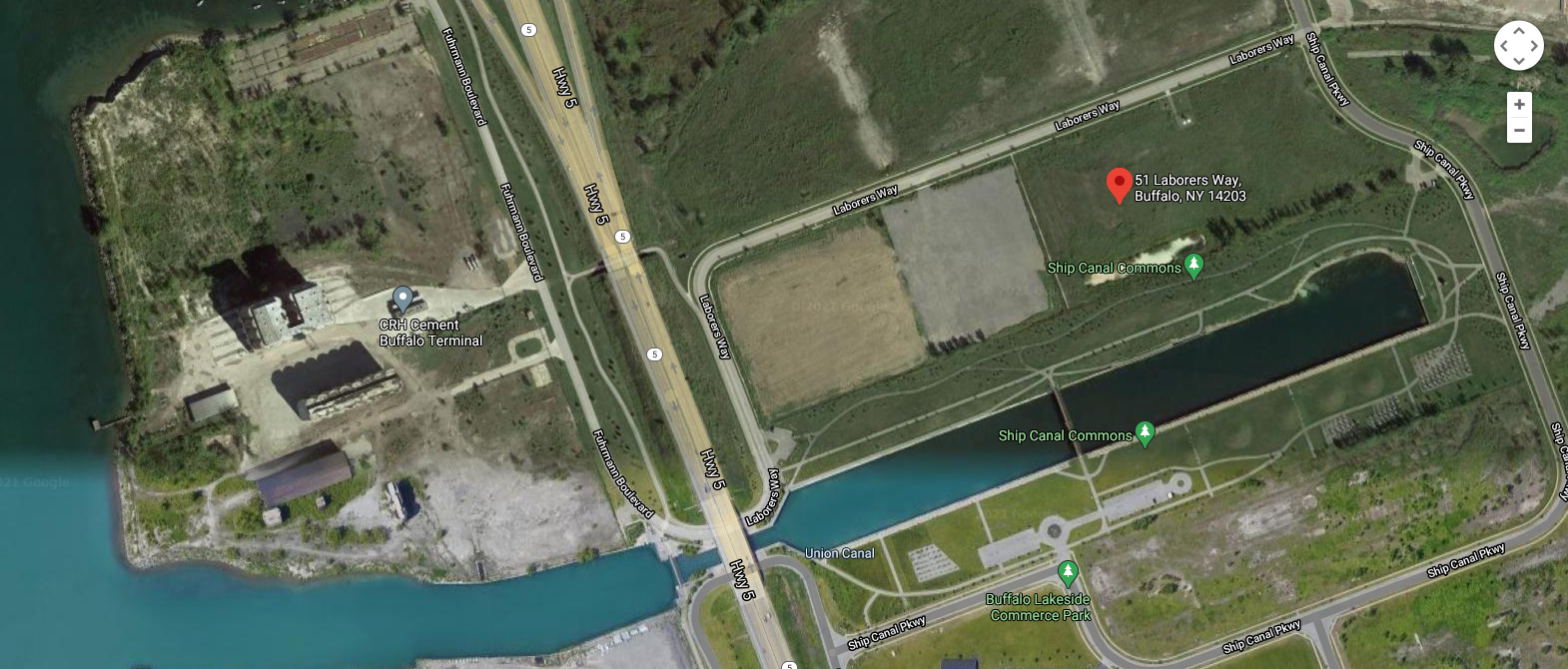
Buffalo’s Common Council will face a major decision with long-term environmental, ecological, aesthetic and social justice impacts.
The proposed project is not an idyllic “pot farm” or attractive “cannabis campus.” Zephyr plans a massive industrial facility. Seven of its buildings would be “high tech greenhouses” 30 feet tall and ranging from 94,000 to 168,500 square feet in area. (A football field covers a mere 57,600 square feet.) This project would loom over the Ship Canal Commons – a public park and nature trail –– reside across Tifft Street from the Tifft Nature Preserve, and be visible from the Seaway Trail, a national scenic by-way.

Unfortunately, Zephyr’s engineering consultant, Wendel, has downplayed the adverse impacts of this project.
Wendel admits that there are “odors associated with processing” cannabis, and claims that Chlorine Dioxide will “neutralize” any unpleasantry. They say nothing, however, about the strong skunk-like odor associated with the growth of the plant. The pervasive and offensive nature of the odors resulting from marijuana cultivation has been acknowledged by entities as diverse as Public Health Ontario, the Air-Conditioning, Heating and Refrigeration industry, and the Cannabis Industry Times. To address this pervasive problem, the City of Denver’s Cannabis Environmental Best Management Practices Guide (BMP) strongly recommends the use of carbon filtration, not ClO2, as the best odor-control technology for cannabis cultivation. [See, in particular, pages 49-50 in Denver’s October 2018 BMP.]
While Zephyr’s engineers state that, “there will be an increase in electrical demand,” they fail to acknowledge that cannabis cultivation is a very energy-intensive process. According to Denver’s BMP, the energy demands for lighting, HVAC and dehumidification are a leading driver of greenhouse gas emissions, and result in the industry’s sizeable environmental footprint. [See Denver’s BMP, pages 9 et seq.] To allow Zephyr to develop this energy-intense complex would contradict an express goal announced by Buffalo Urban Development Corporation and Buffalo Lakeside Commerce Park at the time construction of the roadway and infrastructure the cannabis facility proposes to use was completed: “attracting green companies to the City of Buffalo.”
The brief discussion of impacts on human health provided to the city on behalf of Zephyr was silent on the topic of worker safety. In contrast, an article prepared by the American Institute of Architects’ risk-management arm, AIA Trust, entitled, “Guide to Marijuana Facilities Design,” describes “grow facilities” as having temperature and humidity comparable to indoor swimming pool centers, exposing employees to fungi and other undesirable results. Under the subheading, “Worker Safety,” the article states: “At marijuana grow facilities, workers are also subject to chemical exposure from fertilizers and pesticides, from sulfur dioxide as a result of fumigation, and from carbon dioxide asphyxiation.” See AIATrust Guide-Marijuana-Facilities-Design.]
Coincidentally, Wendel was the landscape architect for the Ship Canal Commons. The firm’s website describes the Commons as “a 22-acre interpretive greenspace” located “at the southern end of Buffalo’s burgeoning Outer Harbor park system.” It characterizes the park’s trails that would adjoin the cannabis facility as “a pastoral passive activity space.” Nonetheless, Wendel’s submission to the City contends, incredibly, that the existence and operation of the massive cannabis facility would not affect the aesthetic or recreational resources at the Ship Canal Commons.
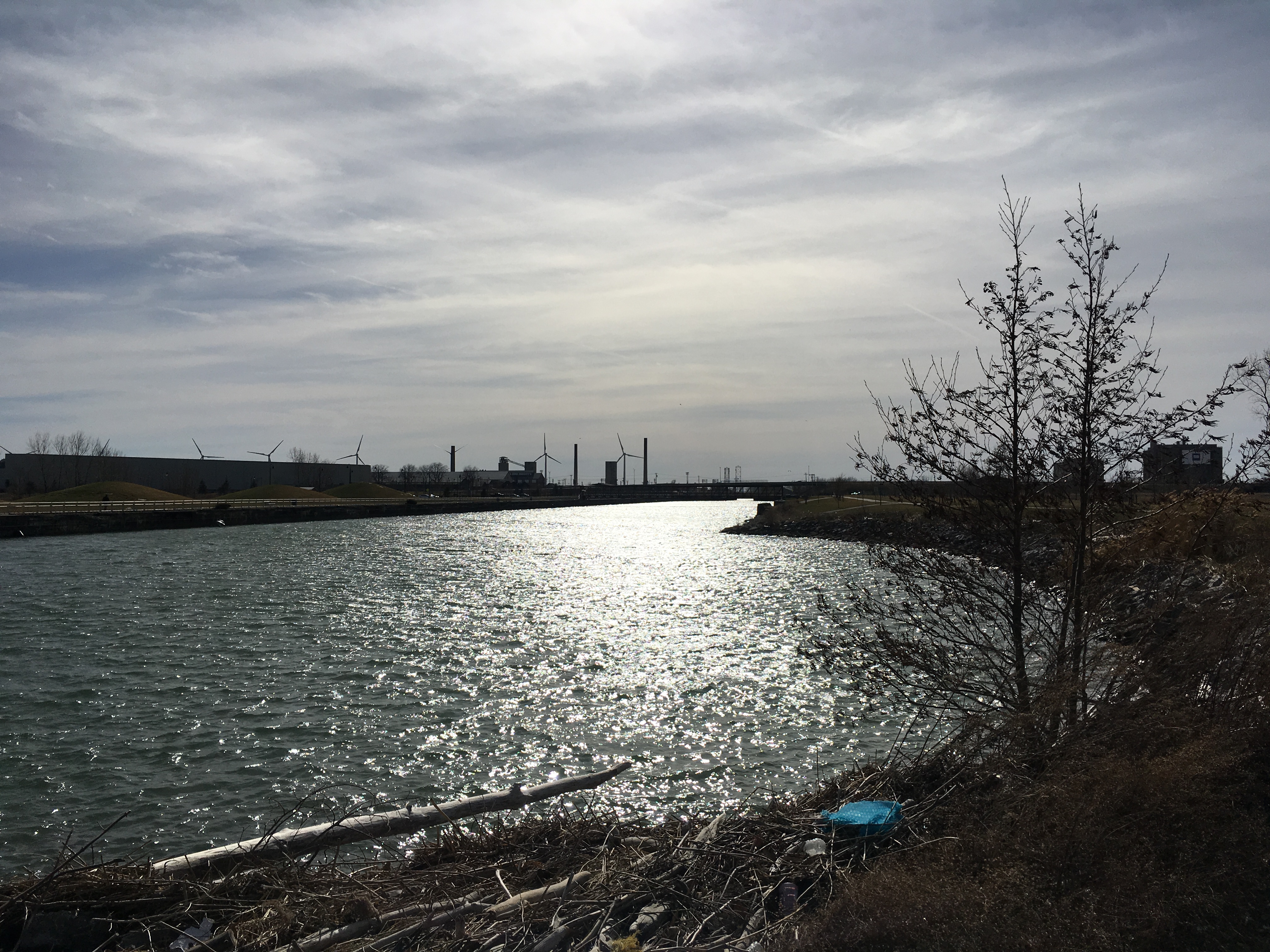

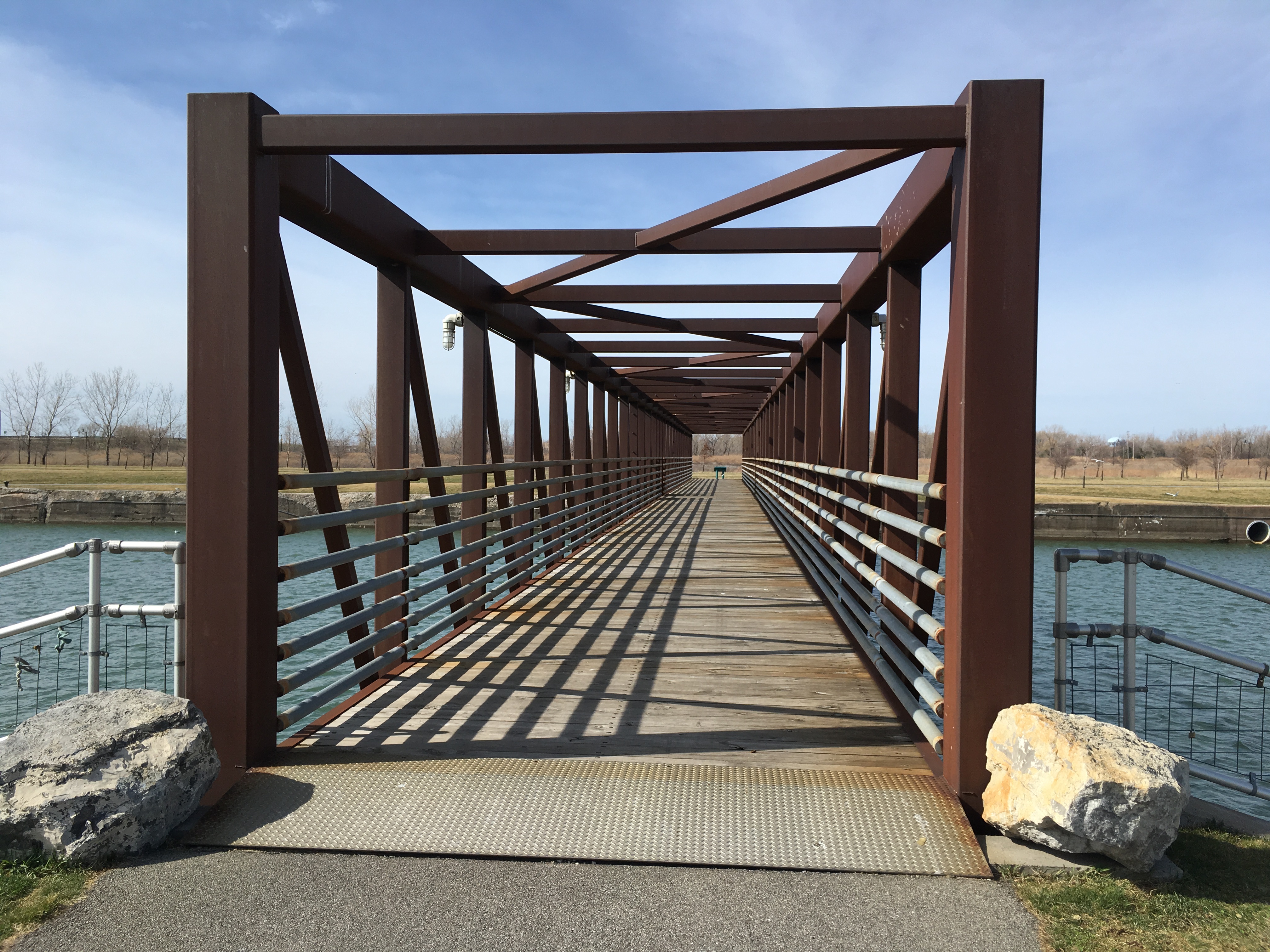
A primary motivating force behind New York’s enactment of a comprehensive law to regulate the adult-use of marijuana is a desire to create a social and economic equity program to assist individuals disproportionately impacted by cannabis enforcement that want to participate in the industry. Allowing Zephyr Partners – headed by Brad Termini, son of developer Rocco Termini – the huge competitive advantage of operating such a massive cannabis production facility would neither further MRTA’s goal, nor enhance our environment.
With All Due Respect,
Arthur J. Giacalone
[Update: At its February 8, 2021 public meeting, the City Planning Board “tabled” the application of RCR Yachts, Inc., to rezone 9 & 11 City Ship Canal – the site of RCR’s marina and boat sales, storage an dockage business – from N-3E to D-IL. In response to questions from Planning Director Nadine Marrero, RCR agreed to the tabling of its requested zoning map amendment while it seeks variances on February 17, 2021 from the City’s Zoning Board of Appeals. RCR’s pending application at the ZBA requests area variances from N-3E’s building setback and transparency requirements to allow construction of a 4,300-square-foot boat storage and display building. At the 2/8/2021 meeting, the Planning Board did approve, with no substantive discussion, RCR’s Coastal Consistency Application. Note: Don’t quote me, but I presume that RCR’s rezoning application will not be considered at the Common Council’s February 9, 2021 Legislation Committee.]
An application currently pending at Buffalo City Hall to rezone a 14-acre site at 9 & 11 City Ship Canal has highlighted an issue that I believe needs to be addressed by Buffalo’s legislative body: The Common Council must comprehensively consider and publicly express its long-term vision for the Outer Harbor, with and without the Skyway.

By necessity, the Common Council’s analysis should include reconsideration of what I believe is an arbitrary limitation in the UDO/Green Code’s definition of the “Outer Harbor boundaries.” As currently delineated, the “Outer Harbor Review Area” [OHRA] abruptly ends at the southern boundary of the former NFTA Terminal buildings. As a result, the current zoning/development ordinance precludes from the protections provided by the OHRA standards all the shoreline properties extending southerly from the former Freezer Queen site (where the 23-story Queen City Landing tower was proposed) to the Lackawanna city line.
The rezoning application for 9 & 11 City Ship Canal was filed by RCR Yachts, Inc. , which describes itself as “an active business providing sales, storage, dockage and service to the recreational community on the waterfront.” RCR seeks to alter the property’s zoning classification from N-3E (Mixed-Use Edge) to D-IL (Light Industrial).
The D-IL zoning district allows “by right” many uses and activities not permitted in the N-3E zone, including solar farm, major utilities facility, light and heavy industrial use, heliport, freight and passenger terminals, drive-thru facility, and outdoor amusement facility. While pondering this list, note that the subject parcel is located along the west shore of the City Ship Canal, to the east and in close proximity to Outer Harbor land and shoreline zoned D-OG (Green) and D-ON (Natural), and “developed” as open space, park, and ecologically sensitive preserves. [RCR’s zoning application refers to the Outer Harbor parcels as “undeveloped green space and then Lake Erie.”] Only Fuhrmann Blvd. separates RCR’s 14-acre property from the D-OG and D-ON zones.
RCR’s N-3E property is part of the narrow strip of beige-colored land running north-to-south in this zoning map excerpt:

The need for a clear understanding of the Common Council’s vision for the Outer Harbor is underscored by the criteria the Common Council (as well as the City Planning Board, in its advisory capacity) is obliged to consider when presented with a request to amend the UDO/Green Code’s zoning map. Those approval standards include whether the proposed rezoning “corrects an error” or “reflects a change in policy” by the Common Council, whether the proposed zoning map amendment is “compatible with existing form, pattern, use and zoning of nearby property,” and whether the proposed rezoning is “consistent with the trend of development, if any, in the general area of the property.”
The Planning Board’s February 8, 2021 agenda includes its consideration of the proposed rezoning of 9 & 11 City Ship Canal. That issue is also on the February 9, 2021 agenda of the Common Council’s Legislation Committee. I am not certain when the rezoning application will be back before the entire Common Council for a vote, but I assume it will be soon. I am inserting below an email message that I sent on February 6, 2021 to the City Planning Board (by way of the Planning Director, Nadine Marrero), and to each of the nine Common Council Members. I’ll include the email addresses, and urge you to contact the City of Buffalo decision-makers if the issue raised in either this posting or my email correspondence are important to you.
With All Due Respect,
Art Giacalone
From: “Arthur Giacalone”
To: “cscanlon@city-buffalo.com”, “nmarrero@city-buffalo.com”, “jferoleto@city-buffalo.com”, “darivera@city-buffalo.com”, “dpridgen@city-buffalo.com”, “mnowalkowski@city-buffalo.com”, “jgolombek@city-buffalo.com”, “uwingo@city-buffalo.com”, “rwyatt@city-buffalo.com”, “bbollman@city-buffalo.com”
Cc: “mshea@city-buffalo.com”
Sent: Saturday February 6 2021 11:12:58AM
Subject: Deny Rezoning of 9-11 City Ship Canal from N-3E to D-IL
Dear Common Council Members and Planning Board Members:
I request that this correspondence be made a part of the record of the Planning Board’s February 8, 2021 meeting, the Legislation Committee’s February 9, 2021 meeting, and any future Common Council meeting where the rezoning of 9 & 11 City Ship Canal is under consideration.
For the following reasons, I respectfully ask that the City Planning Board and Common Council Legislation Committee recommend against the application to rezone 9 & 11 City Ship Canal from N-3E to D-IL, and that the Common Council disapprove the application when the matter comes before it for a vote:
First, it would be shortsighted to make any decision to rezone the 14-acre subject parcel – or any land in the Outer Harbor area in the vicinity of the Skyway – unless and until plans for the Skyway’s removal or alteration are finalized. The presence, absence, or alteration of the Skyway would not only have a significant impact on the 9 & 11 City Ship Canal property, it would also determine the most appropriate future activities on the subject parcel and Outer Harbor lands and shoreline to the west of the site.
Second, the decision to approve or disapprove the requested rezoning must be preceded by a clear understanding of the Common Council’s vision for the Outer Harbor as a whole, and, in particular, the land in the vicinity of 9 & 11 City Ship Canal. The members of the Planning Board and Common Council cannot protect the best interests of the City as a whole – in contrast to the narrow interests of the rezoning applicant – unless and until the following questions are answered:
(a) What was the Common Council’s reasoning when enacting the UDO and classifying the subject parcel and the land directly to its north as N-3E?
(b) Has the Common Council concluded that either it was a mistake to place the narrow strip of land along the western edge of the City Ship Canal in the 3-NE district, or that recent and anticipated future development in the vicinity of the subject parcel and Outer Harbor area calls for a change in policy?
Third, the proposed rezoning to D-IL is inconsistent with the trend of “development” – and, the increasingly popular goal of retaining as much of the Outer Harbor as parkland and open space – in the general area of the property in question, especially to the northwest, west, and southwest of the site.
Fourth, no matter what the applicant expresses as its current plans, the rezoning from N-3E to D-IL would mean that the following uses, which are not allowed in N-3E, and are incompatible with the existing form, pattern, use, and zoning of nearby property, would be:
(a) Permissible “by right” in the D-IL zone: solar farm; major utilities facility; light and heavy industrial; freight terminal; heliport; railway facilities; passenger terminal; tobacco/hookah/vaping establishment; outdoor amusement facility; drive-thru facility; and, heavy retail and service; and
(b) Permissible with a Special Use Permit in the D-IL zone: wind farm; gas station (due to C-W); car wash (due to C-W); halfway house; helistop.
Fifth, pursuant to Chapter 12.1 (Noncomformities) of the UDO, the current uses and structure(s) at 9 & 11 City Ship Canal are legal and may continue, unless the use is discontinued for one year. Furthermore, the rights conferred under the UDO “run with the property and not not affected by changes in tenancy or ownership.” Therefore, the N-3E zoning status does not place an undue burden on the applicant.
Thank you for your thoughtful consideration of these comments.
Sincerely,
Arthur J. Giacalone
17 Oschawa Avenue
Buffalo, NY 14210
(716) 436-2646
AJGiacalone@twc.com
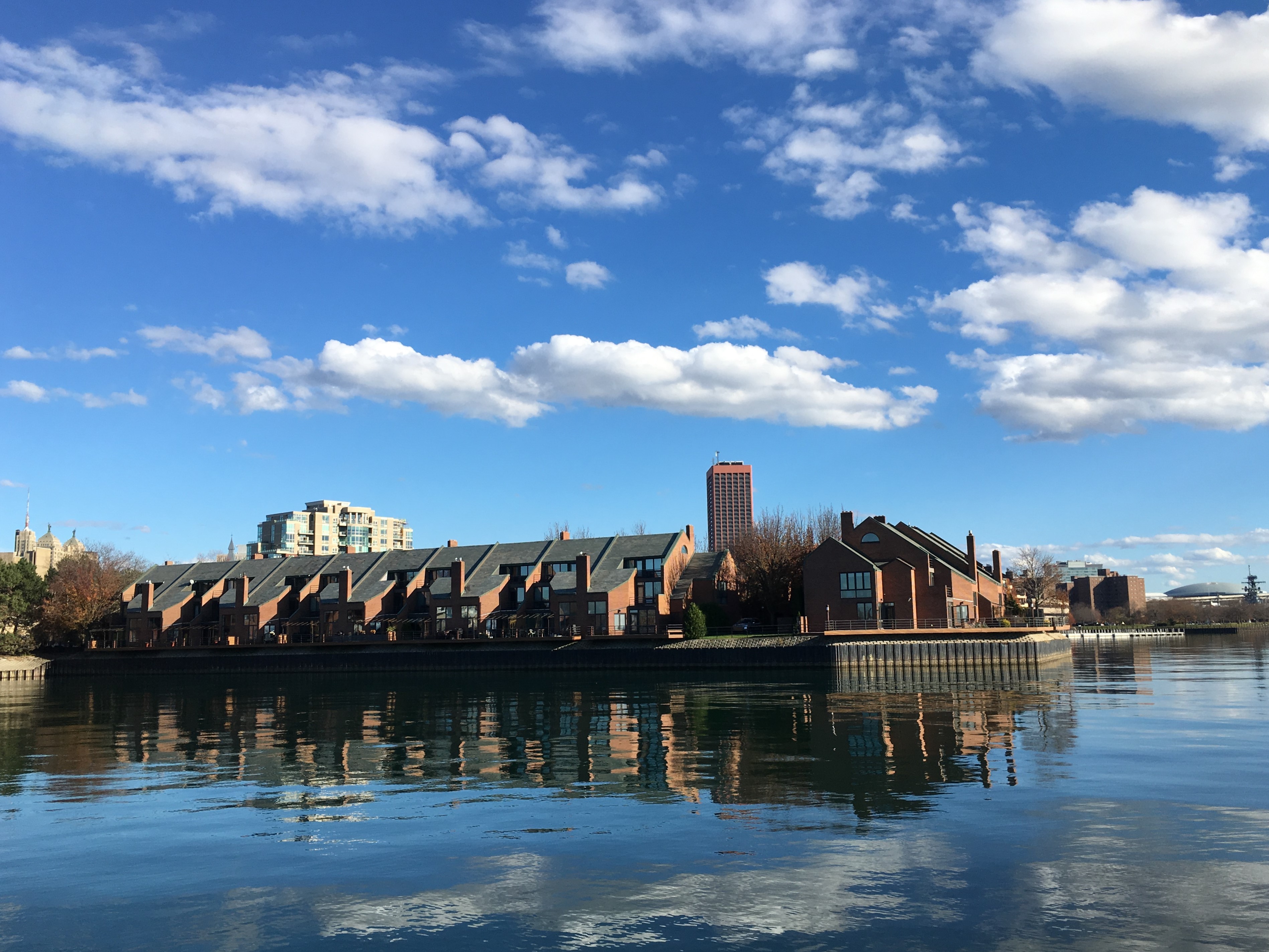
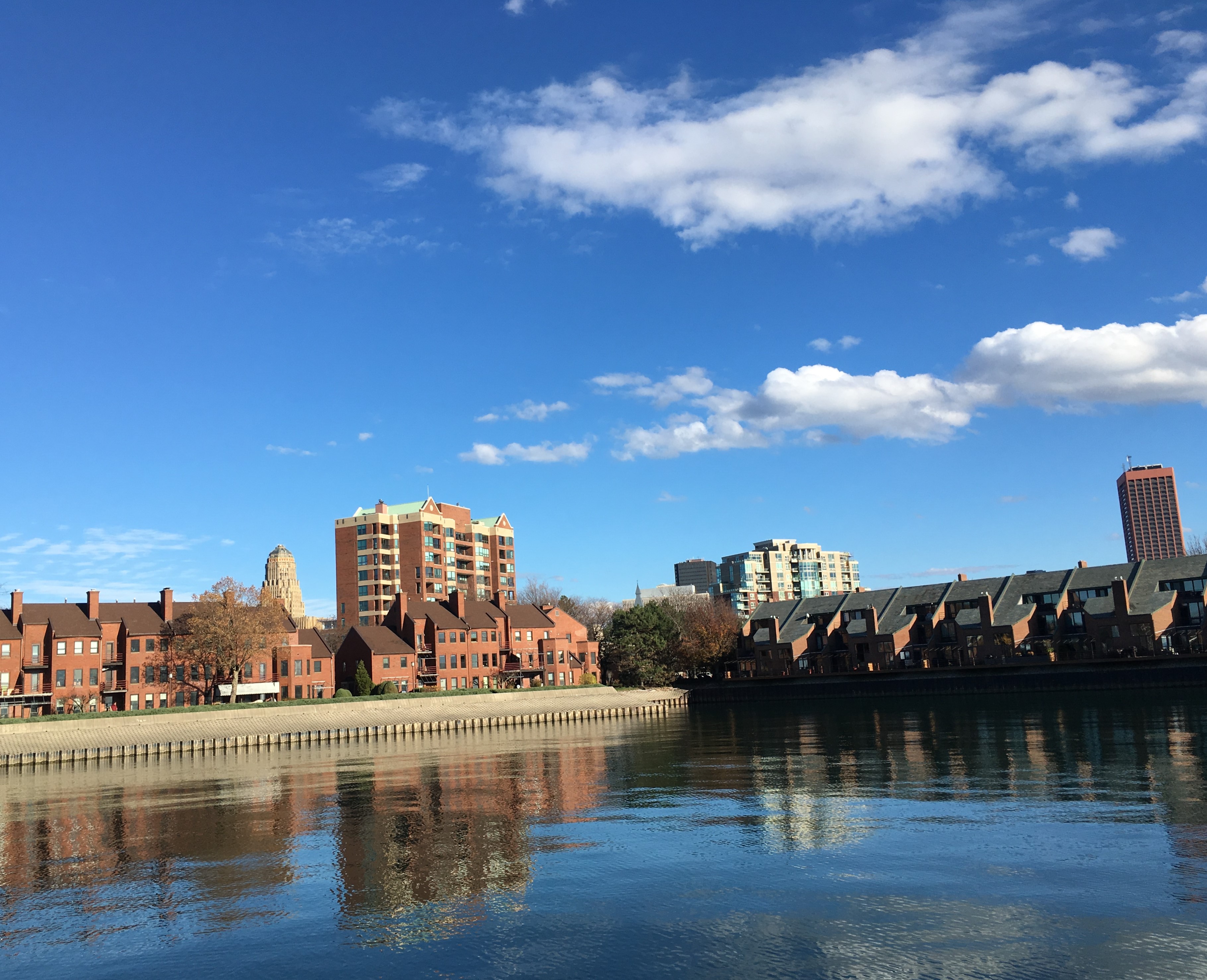
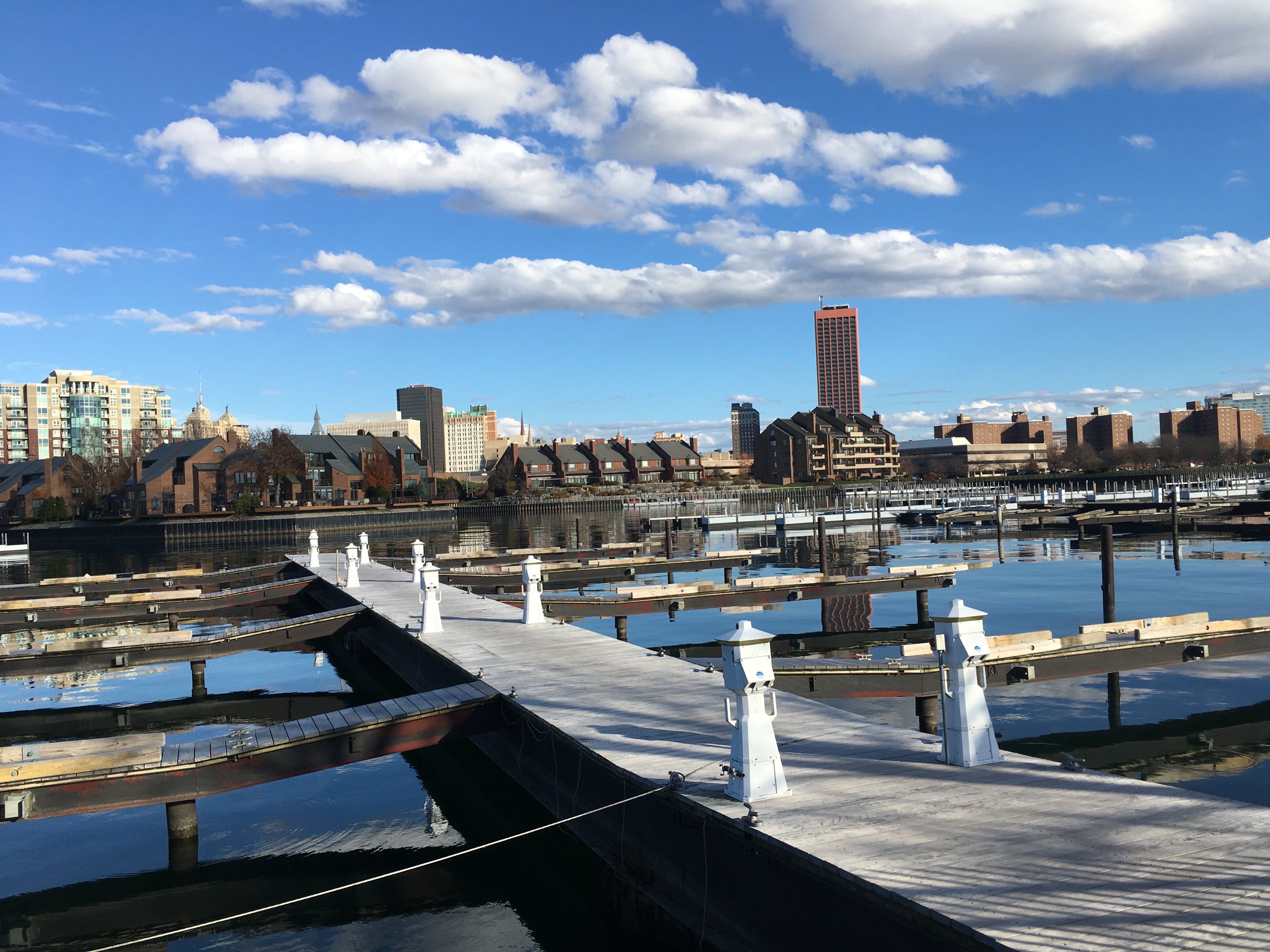
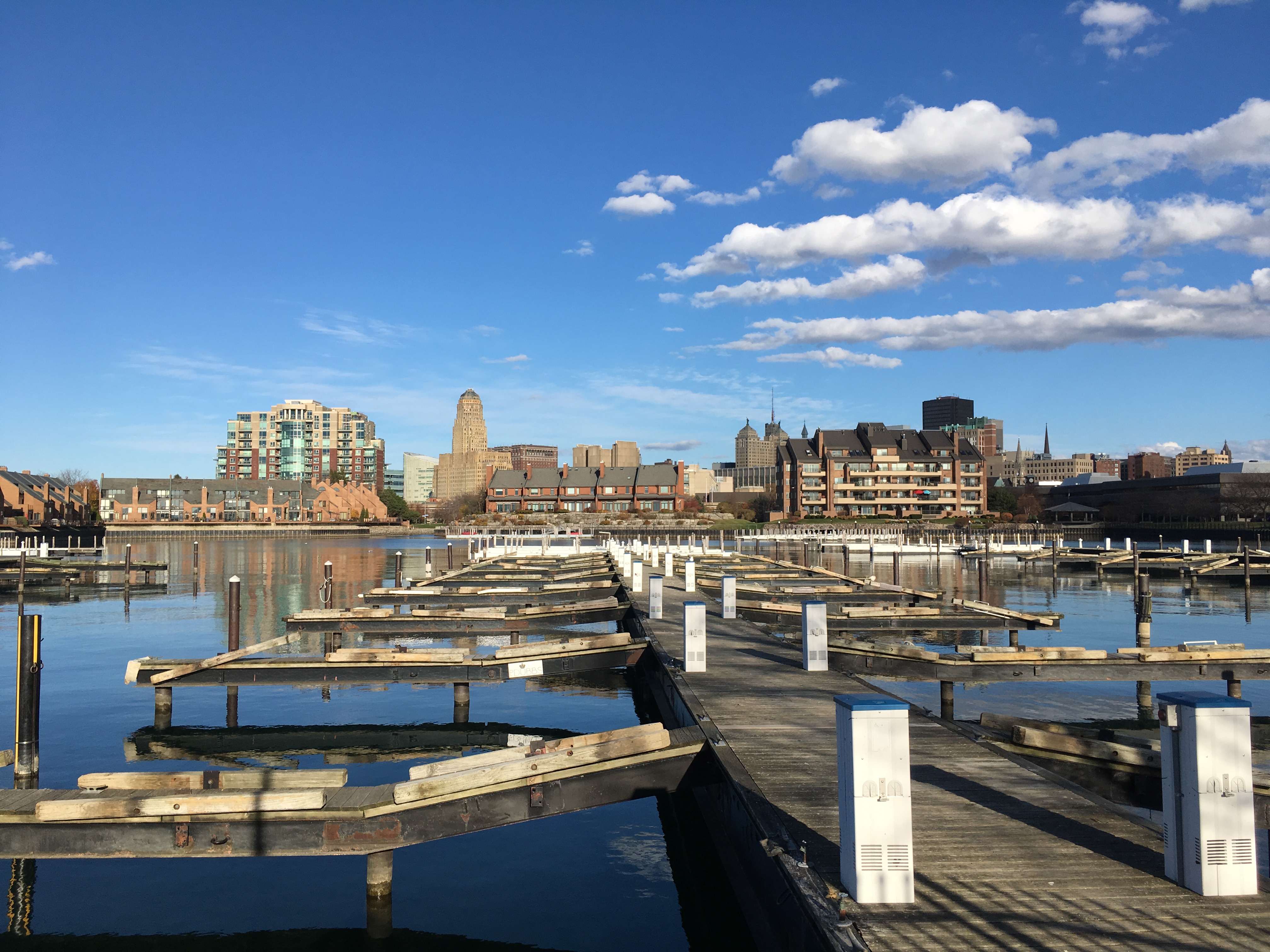
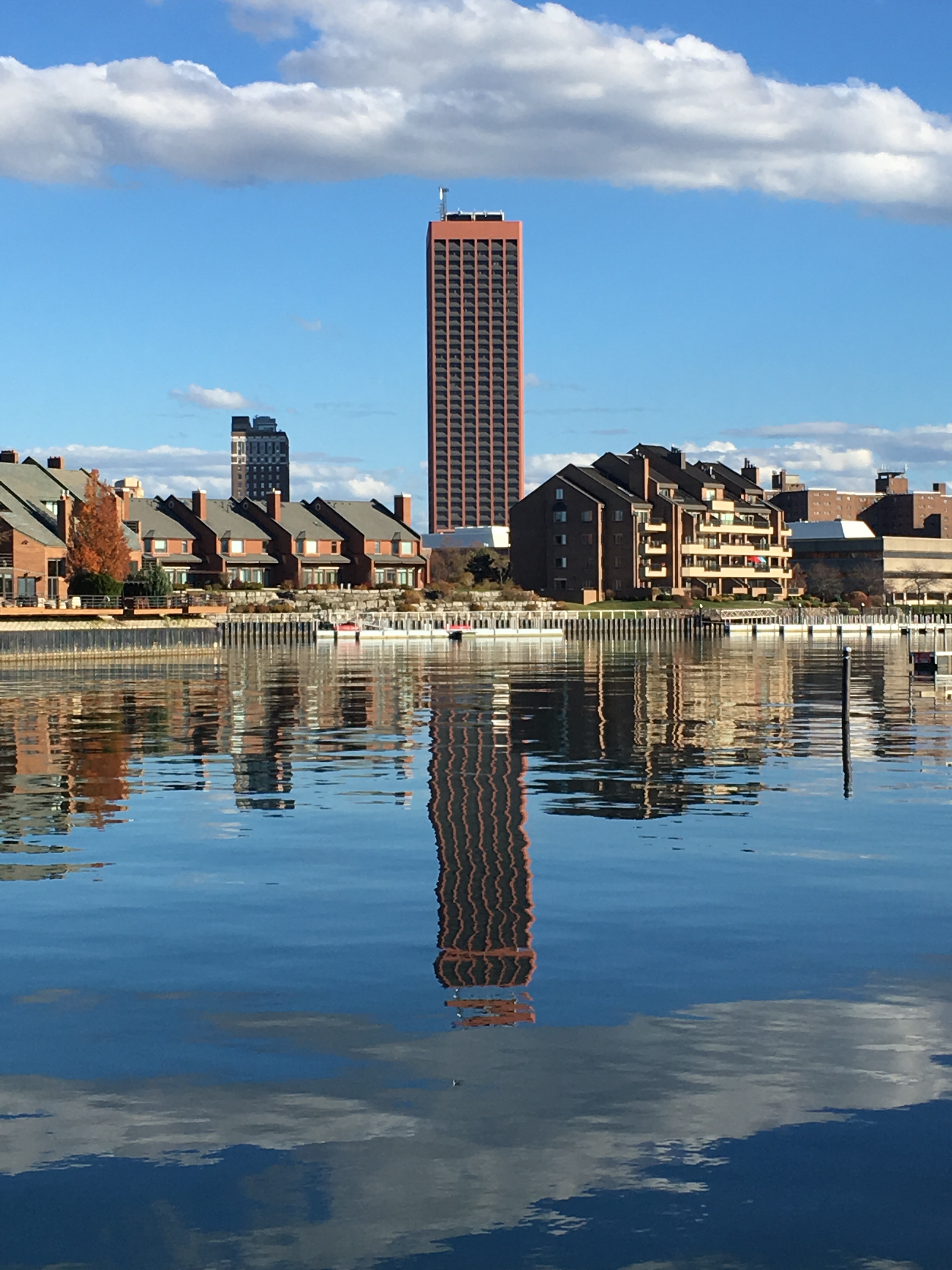
I lack the verbal dexterity needed to adequately describe the beauty and peacefulness I experienced at Buffalo’s Erie Basin Marina on the afternoon of November 10, 2020.
The results of the 2020 Presidential election announced a few days earlier had already brought a sense of relief to my political- and pandemic-pummeled psyche. The string of 70-plus degree November days was forecast to come to an end, so a final “summery” visit to the lakeshore seemed like the perfect outing. But the pervasive quiet that awaited me – the result, apparently, of a windless day, and the absence of the cacophony of sounds normally accompanying boating activities on a warm, sunny day – brought a palpable calm I hadn’t been expecting.
I’ll let the following images recapture some of what I experienced.



With All Due Respect,
Art Giacalone
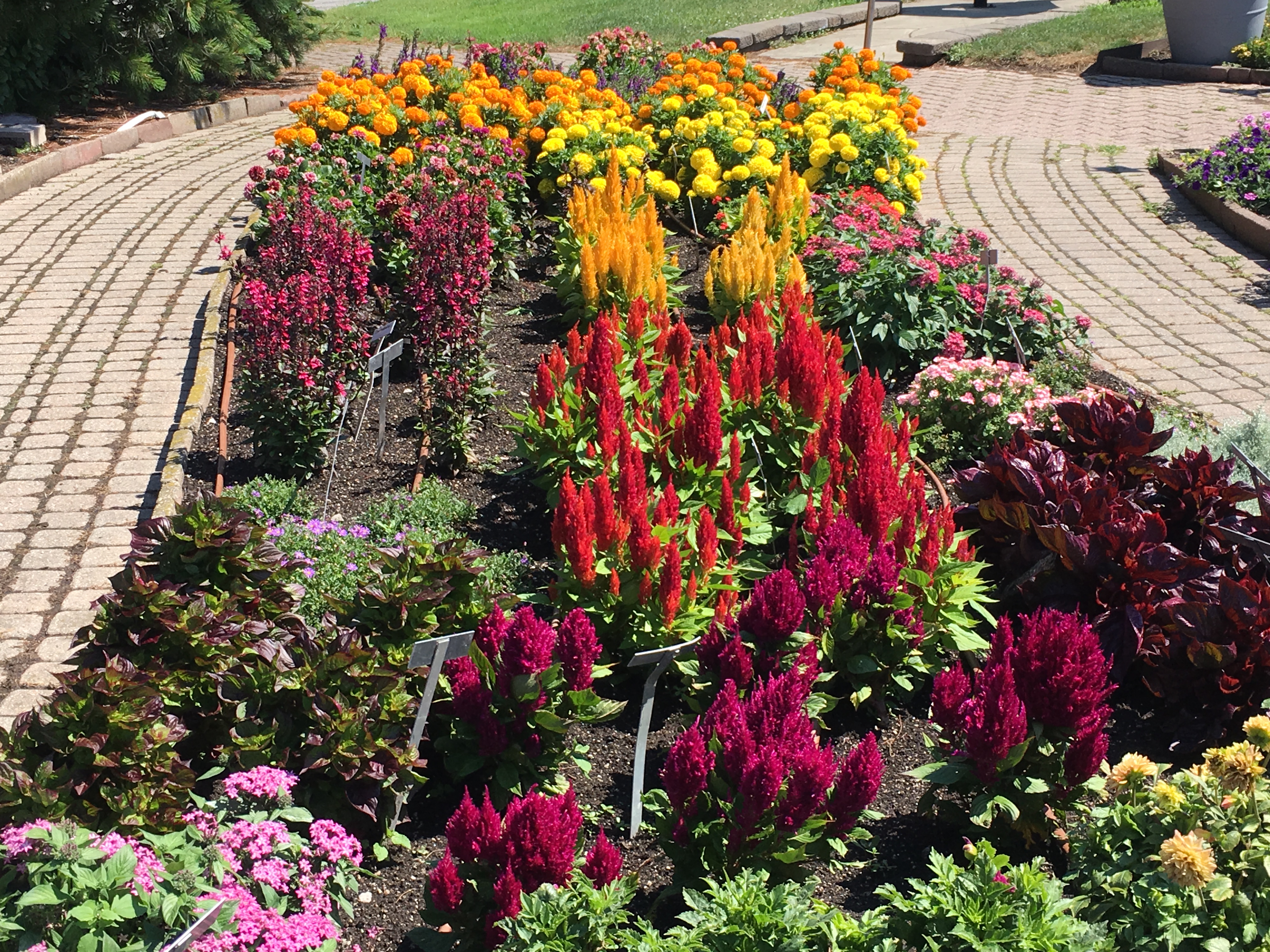
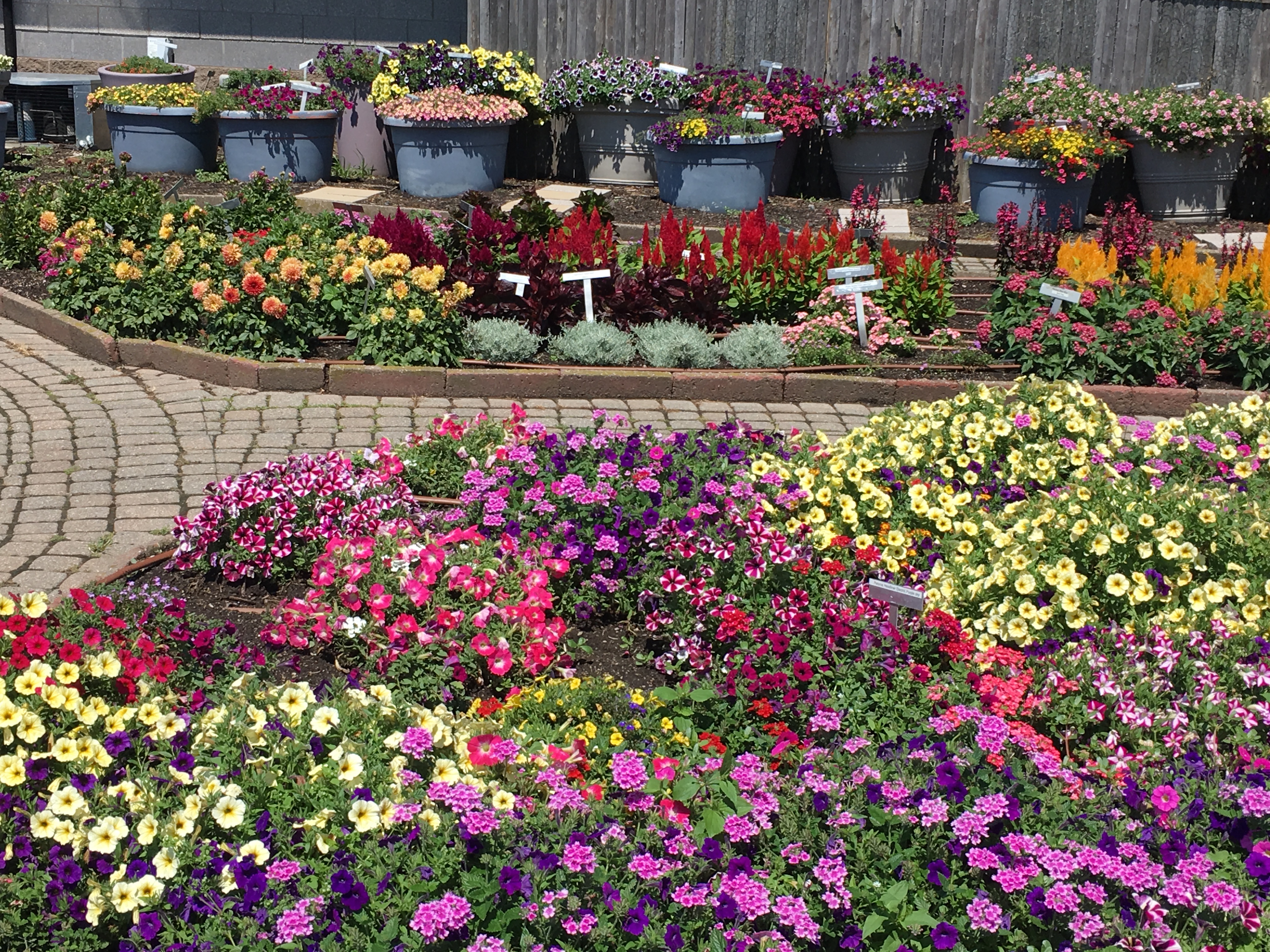
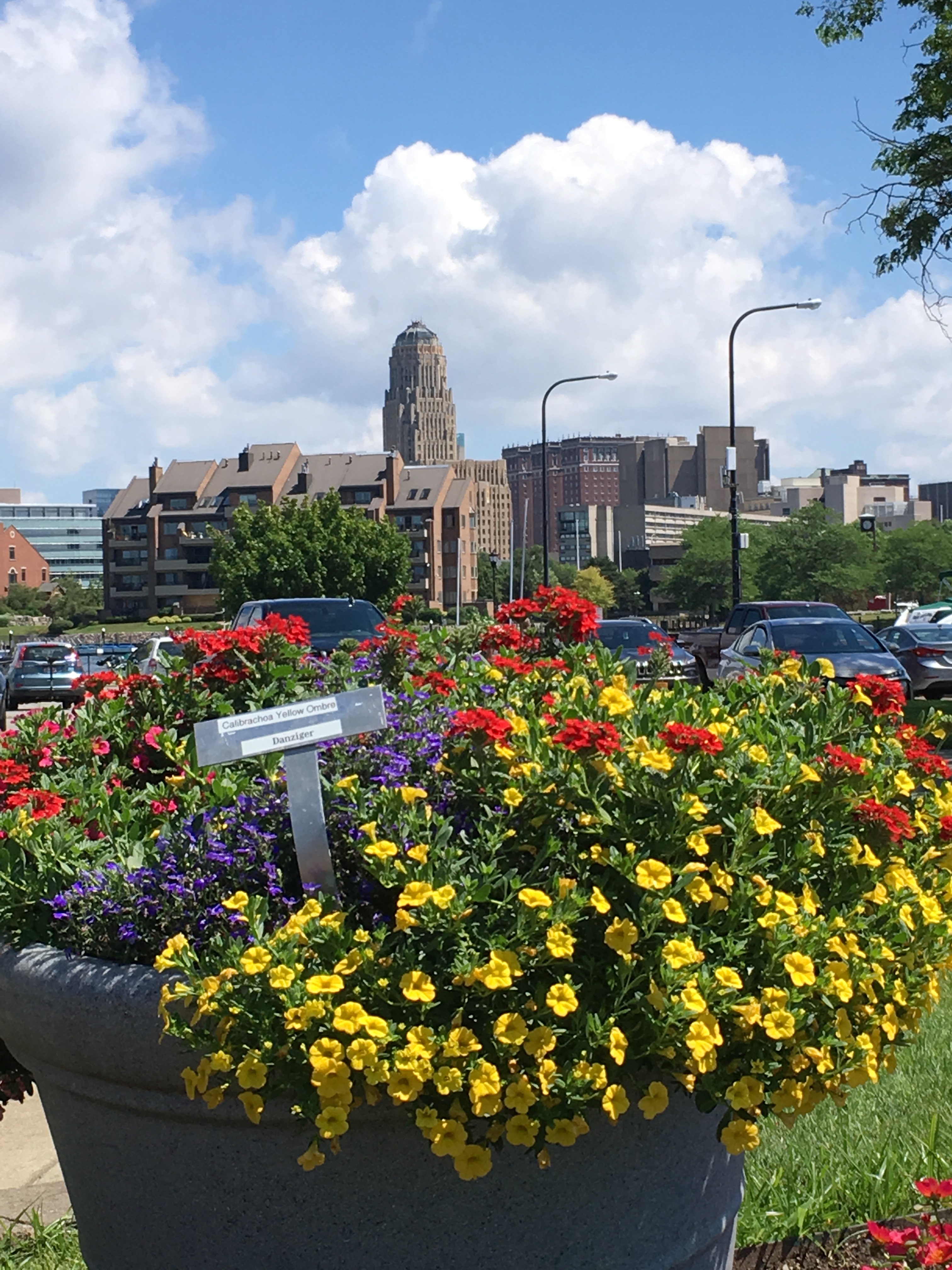
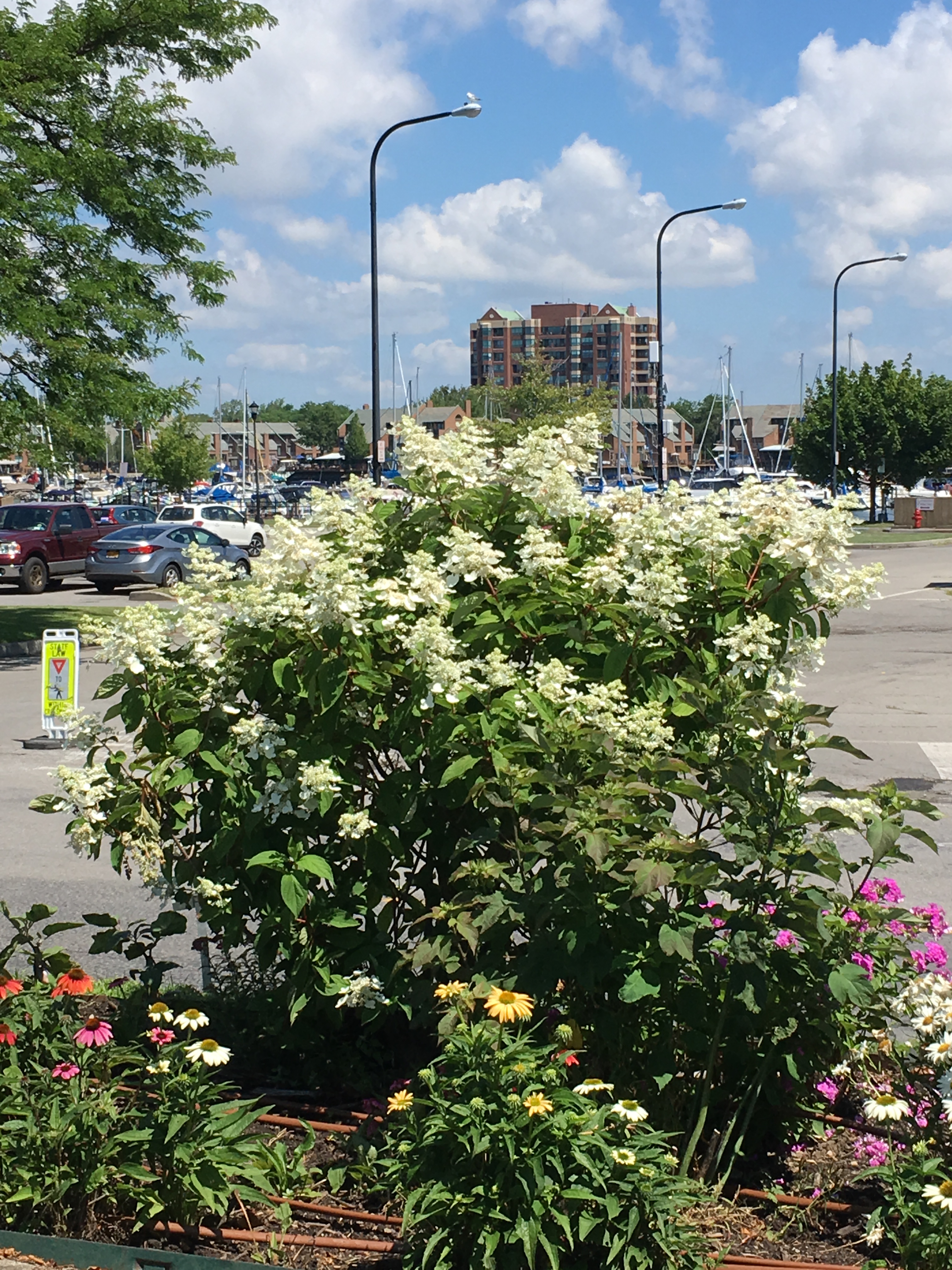
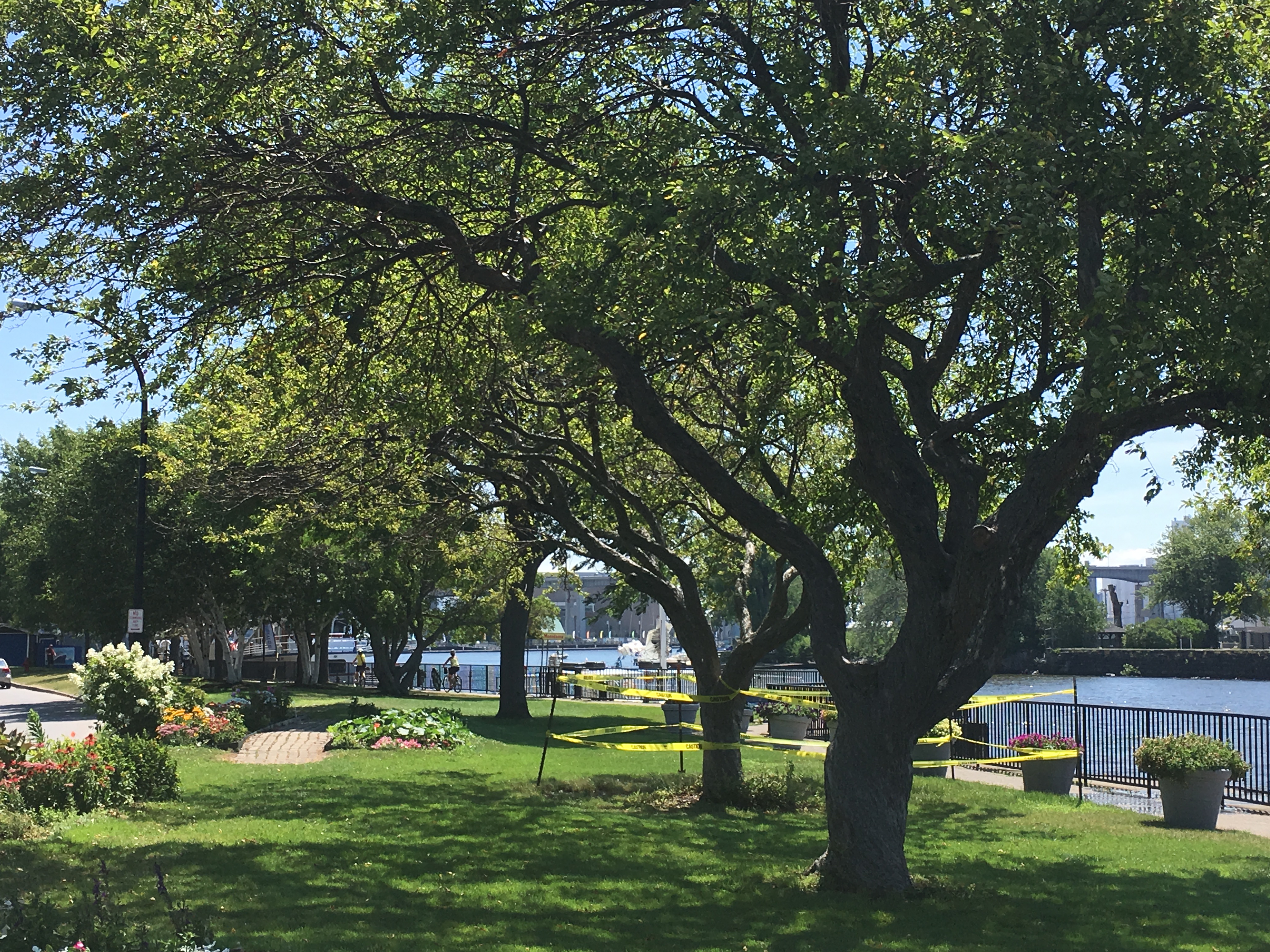
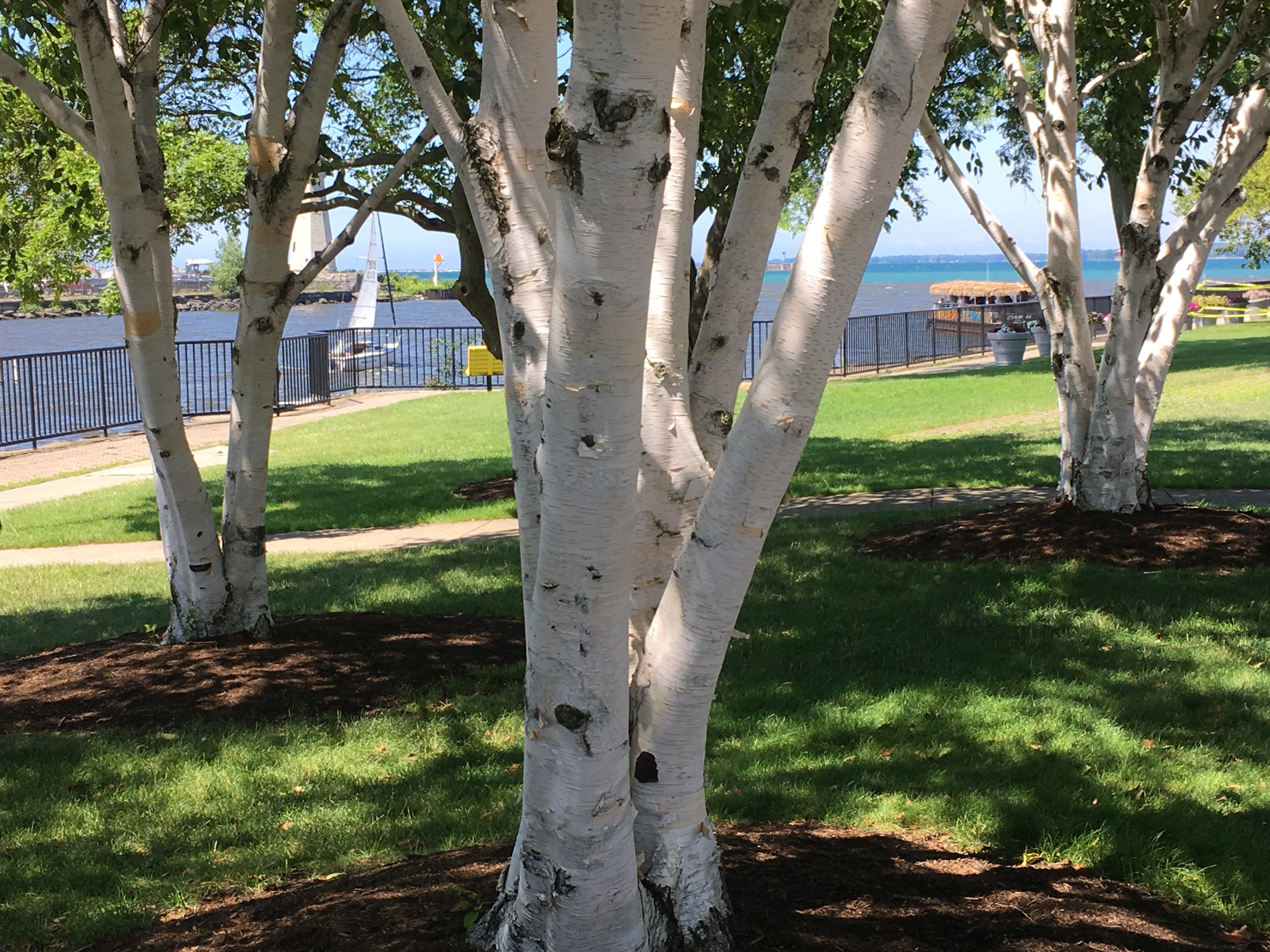
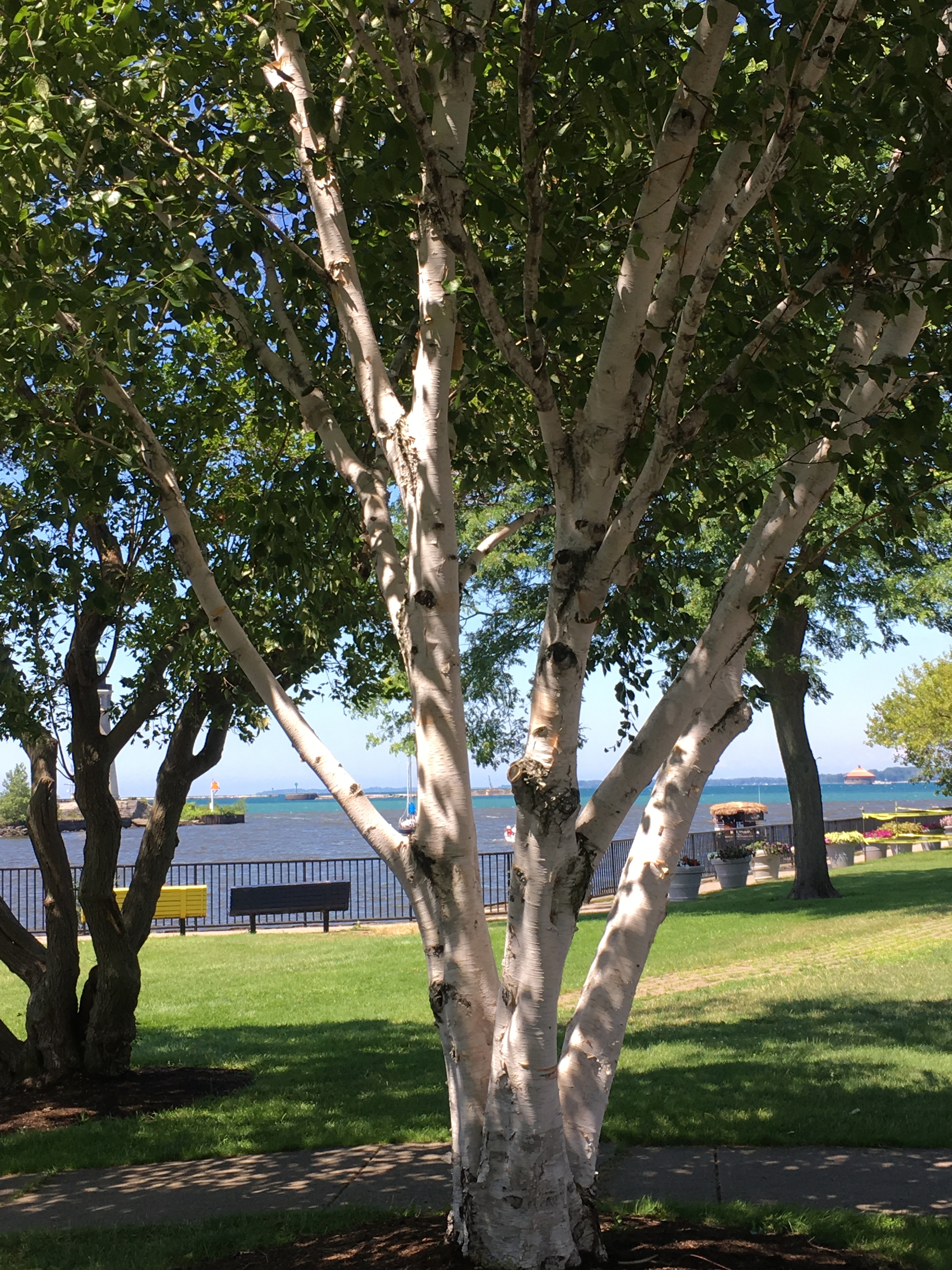
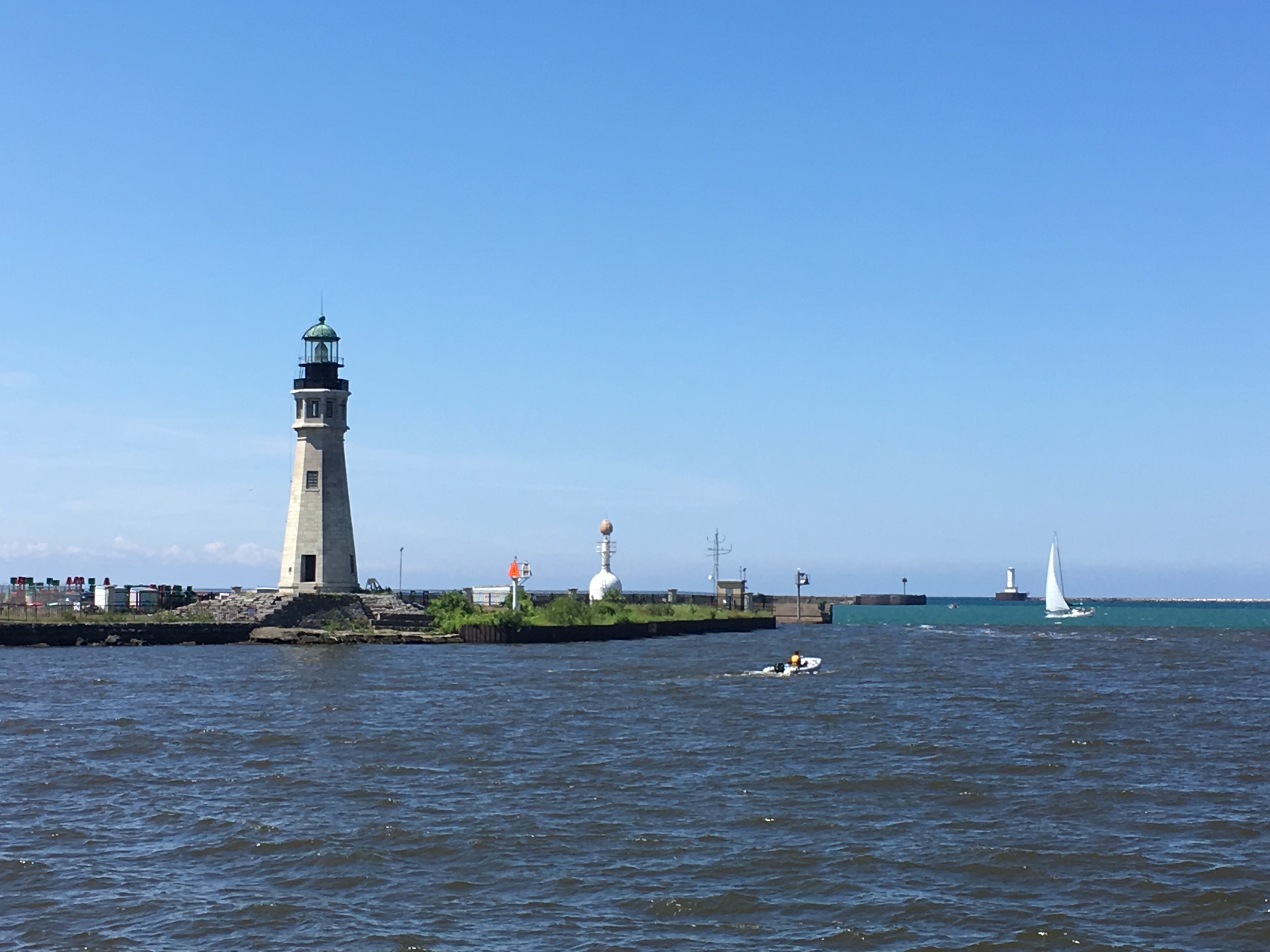
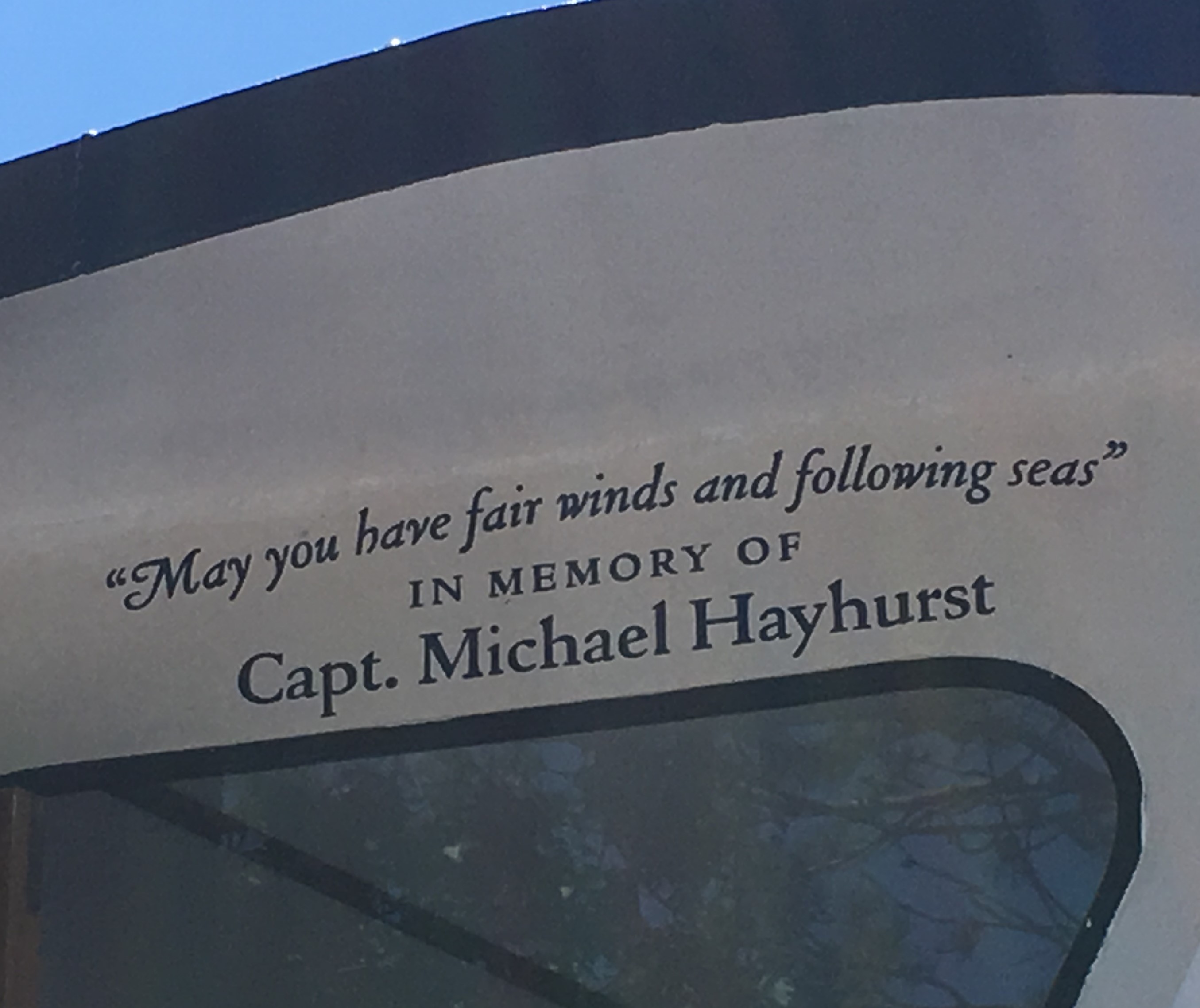
I wasn’t certain where I was headed as I drove away from my South Buffalo home today. But I’m pleased that I ended up at the Erie Basin Marina (alongside The Hatch). Here’s why:

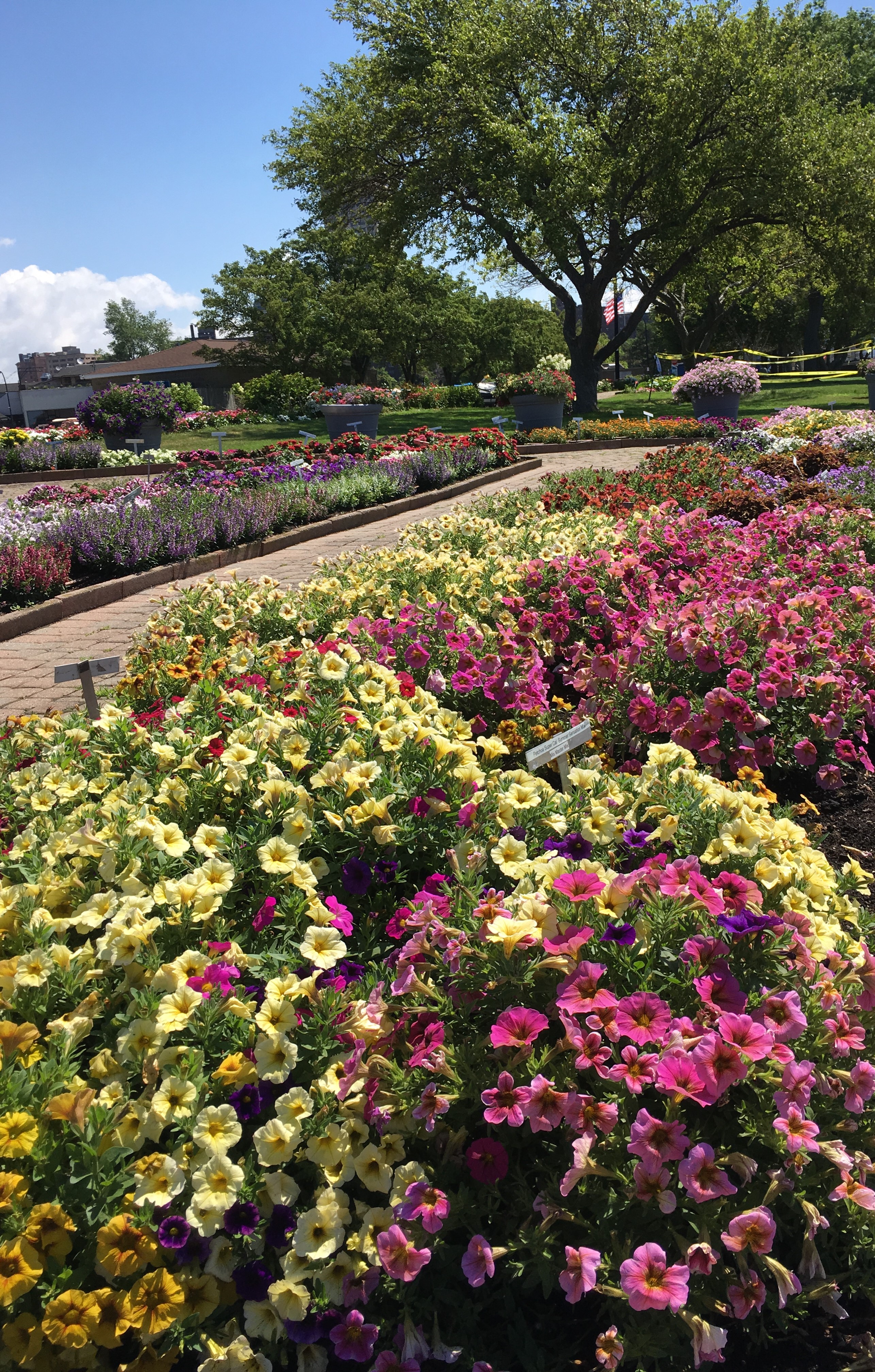

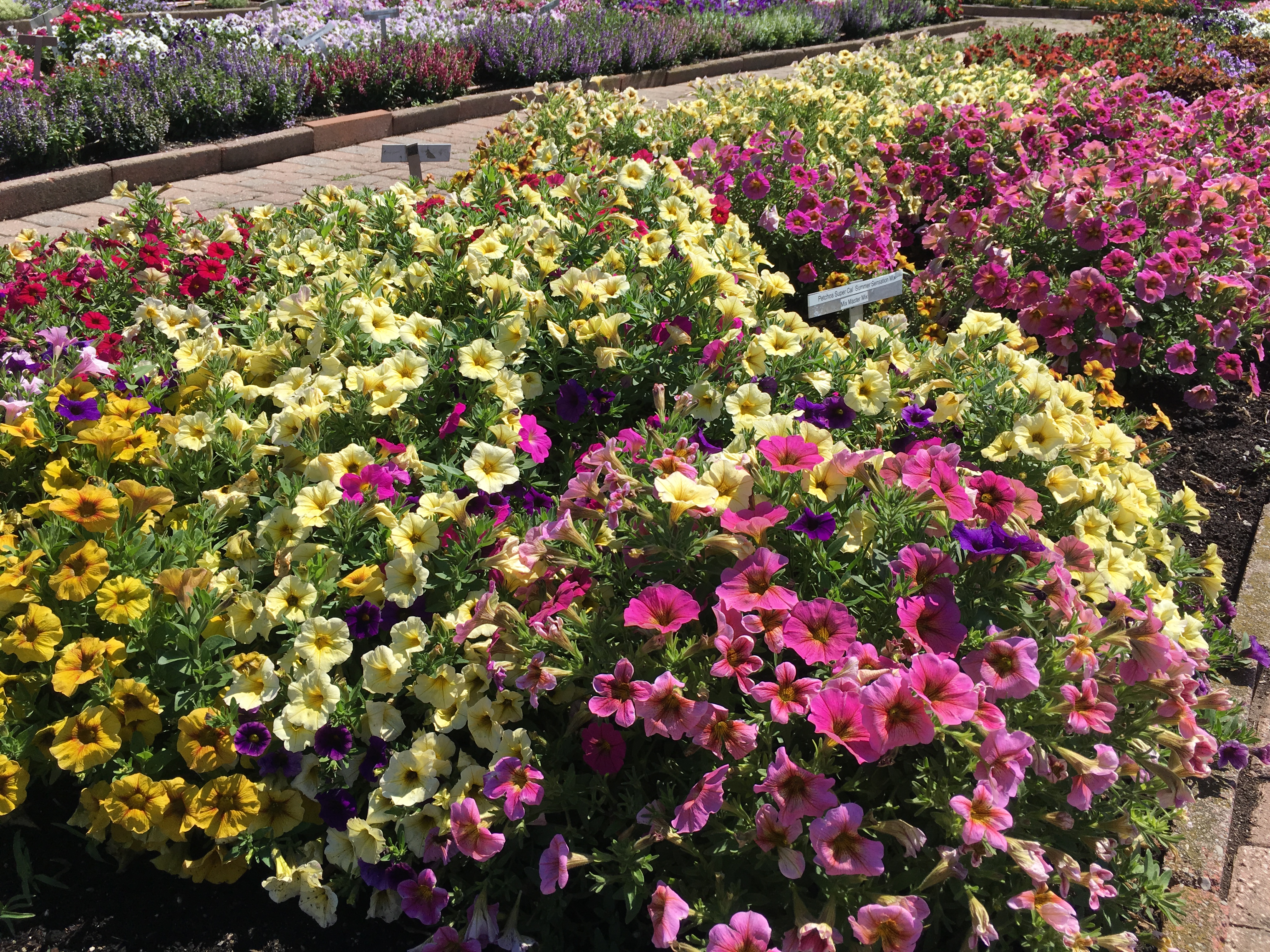
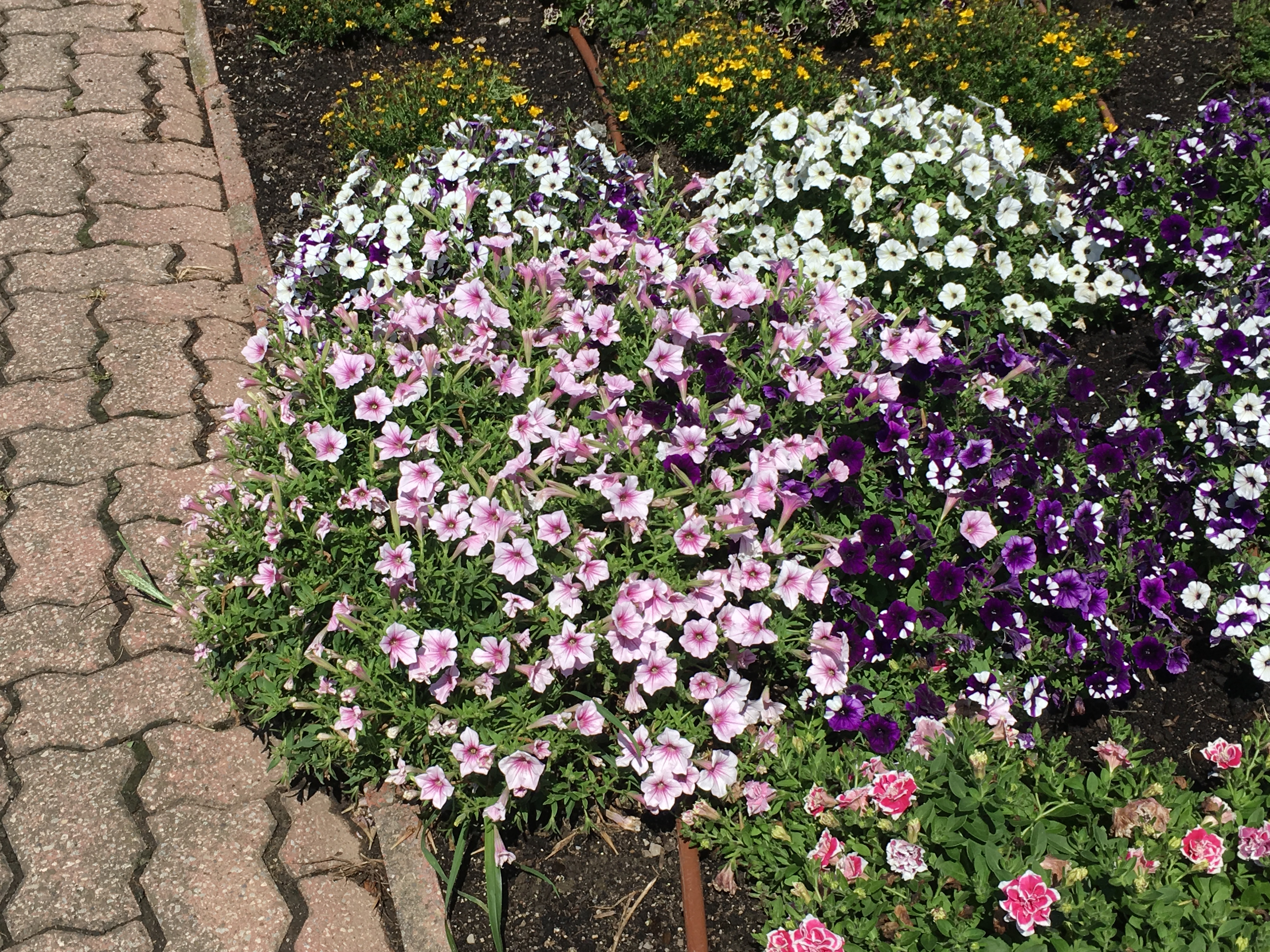

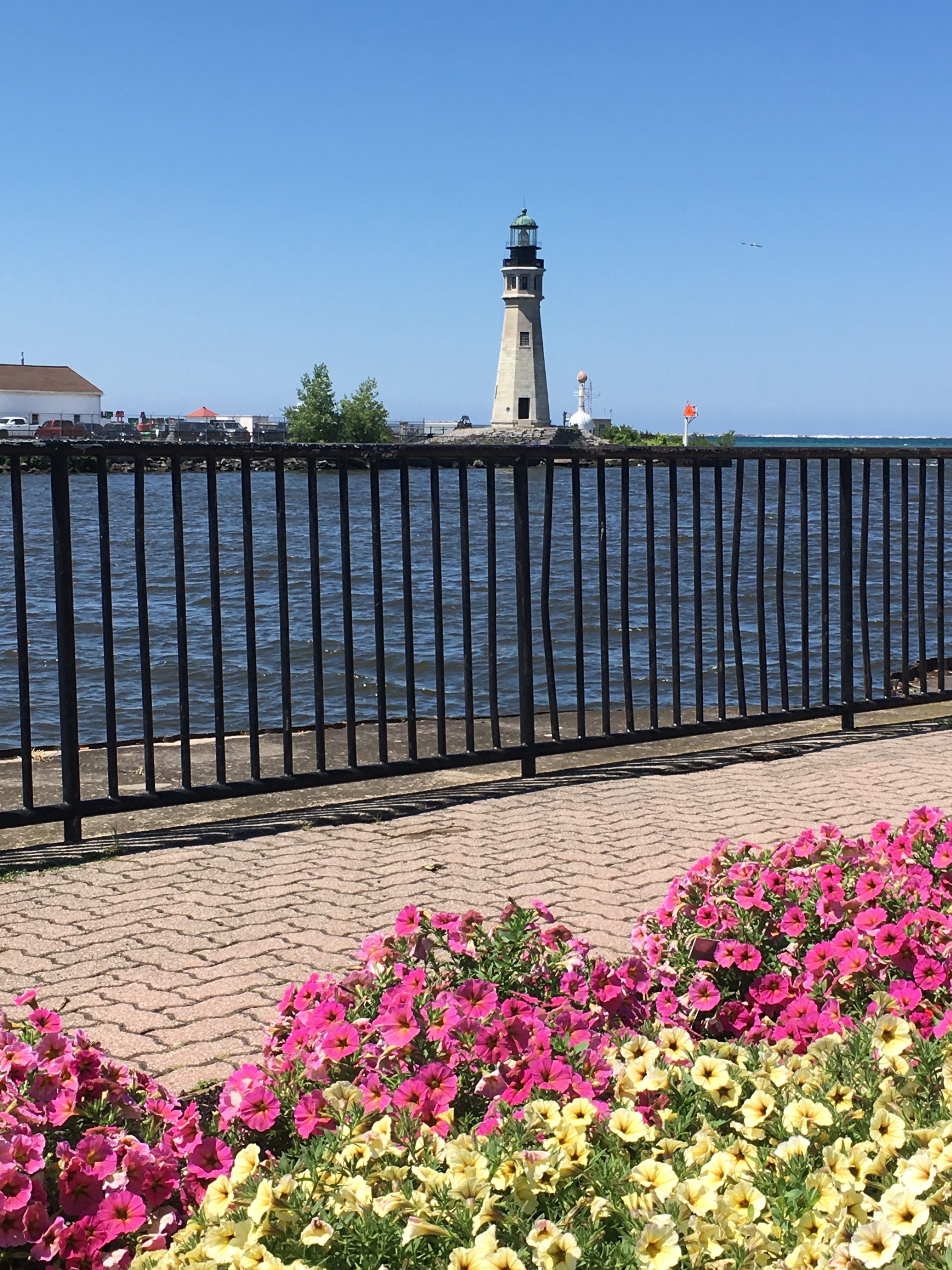


With All Due Respect,
Art Giacalone
Gerald Buchheit is the “main man” at Queen City Landing. [It’s a limited liability company, so we don’t know who he is or isn’t partnering with these days.]
It was less than three months ago that Buchheit’s spokesperson, Phil Pantano, was quoted in the Buffalo News claiming that “Jerry” had used the two years since the city’s 2016/2017 approvals for his 23-story tower “… to really review and refine his vision and plan for the project.” Then, a couple weeks later, on December 4, 2019, Buffalo’s Common Council was sent a Letter of Intent [LOI] by Mr. Buchheit’s counsel, Adam Walters, admitting that (despite two years of reviewing and refining his vision) Queen City Landing had zero plans for the rear 12-acres of the 20-acre Fuhrmann Boulevard site:
“… Any future redevelopment of the remaining approximately 12 acres of the site will be designed and progressed on market demand in a way that furthers QCL’s overall redevelopment goals consistent with the PUD. However, at this time, no further redevelopment plans for the site have been developed.” [Emphasis added.]
The same admissions were made on behalf of QCL/Buchheit at January 2020 proceedings – in furtherance of Queen City Landing’s flawed PUD application – before the City Planning Board and the Common Council’s Legislation Committee.
But now – just a month or so later – we all are asked to believe that Mr. Buchheit and his team have a sincere, carefully crafted, and doable “master plan” for the entire 20-acre QCL site. Why, we have even been provided a rendering of what Jim Fink and Business First Buffalo say is Buchheit’s intention “to create a village” (with a $180M price tag):
 [a/k/a “Buchheit Village”]
The Buffalo News recently reported on this latest iteration of Mr. Buchheit’s “vision” for the former Freezer Queen site. Here’s how the BN’s business reporter, Jonathan D. Epstein, describes Mr. Buchheit and his plans:
The developer behind the controversial Queen City Landing residential tower on the Outer Harbor is doubling-down on his bet, proposing two more six-story apartment buildings and a cluster of 32 townhouses on the rest of the peninsula that juts into the water.
Gerald Buchheit, whose pending proposal for a 20-story building is still mired in controversy, now says he wants to add two more phases to the project, located at 975 Fuhrmann Blvd.
His concept would ultimately add another 178 apartments – on top of the 206 he already plans in the first phase – along with additional restaurants, terraces and parking, according to documents that Buchheit has submitted to the city. …
But I really don’t think the Buffalo News, or the Queen City Landing website, provides anyone who might be curious about the proposed project the full picture. So I wrote a letter to the editor, and my tongue-in-cheek musings were included in the February 22, 2020 print version of our region’s largest newspaper under the headline, “Queen City Landing is not the gem it seems.”
If you’re interested n reading my “Everybody’s column” submission, I’m inserting it below – with the title I had proposed – and adding links to various assertions that I make.
Living the high life at Buchheit Village
Dear Editor,
WANTED: 384 adventurous renters and condominium owners to live in “Buchheit Village” on Buffalo’s Outer Harbor. The views are great, and you’ll have the opportunity to enjoy a variety of extras:
First, impress your friends by pointing to your home on FEMA’s flood plain maps and bragging about the “Special Flood Hazard Area” designation. See. FEMA FIRMETTE QCL-Small Boat Harbor Area Site_Specific[22528] (You might refrain from telling them about the sky-high annual premium for your mandatory flood insurance policy.)
Second, when the meteorologists warn that a wind-driven, 8- 12- or 15-foot wall of water or seiche will be crushing the Lake Erie shoreline, invite your friends over to hunker down with you and experience the awesome power of nature.
[Here’s how Our Outer Harbor‘s website describes the recent “seiche” activity along Buffalo’s Outer Harbor:
Third, if you enjoy using your car every time you need groceries, when it’s time to refill a prescription, or your clothes need dry-cleaning, you’ll be in heaven living in a development that QCL’s traffic consultant describes as “Car-Dependent” with a “Walk Score” of 1 (on a scale of 0 to 100, with 100 being most walkable).


Fourth, if you enjoy a constant parade of cars and the unpleasant smell of exhaust fumes, you can pack a picnic basket, sit on a park bench near the site’s entrance, and watch your neighbors and the public pulling in and out of the development’s 777 parking spaces.
Fifth, if you’re a bit morbid, you can entertain yourself most mornings counting the carcasses of migrating birds who got disoriented by the lights of the 20-story tower the previous evening. [See, for example, HuffPost article re Galveston bird kill May 2017.]
You better hurry. This perfect place to live will fill up fast.
Sincerely,
Arthur J. Giacalone
With All Due Respect,
Art Giacalone
[Note: QCL’s 2018 Brownfield cleanup of the site only involved the front 8 acres, where the 20-story tower and 222-vehicle parking lot are proposed. Neither the City of Buffalo, nor the public, has adequate information to determine what type of development the DEC will consider appropriate for the rear 12 acres.]

 With All Due Respect