With All Due Respect

Photos and musings by Arthur J. Giacalone

  • About The Author
  • About This Blog
  • Pre-WADR Archives

Our long lackluster lingering winter

Posted by Arthur J. Giacalone on May 14, 2020
Posted in: Cazenovia Park, East Aurora NY, Giacalone family, Olmsted Parks, Snovember 2014, South Buffalo, WNY Photos. 1 Comment

Here we are.  Mid-May, longing to spend time outdoors, and dealing with snowflakes and overnight temperatures at or below freezing.

Perhaps our situation wouldn’t feel quite so uninspiring if we had experienced a more interesting winter.  But WINTER – the season that helped put Buffalo on the national map back in 1977 with the infamous Blizzard of ’77 and record annual snowfall of 199.4 inches – has been overwhelmingly dull this past season (with a few exceptions along the Queen City’s waterfront).  So I thought I would dig down (shovel?) into my photographic archives and share to two rather extreme and eerily beautiful winter experiences in our not too distant past.

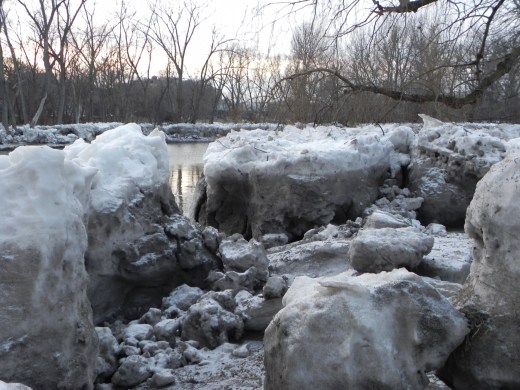
January 2018 Cazenovia Creek ice floes

The casually serene elements of Cazenovia Park – reflected, I hope, in last week’s posting and photos – were transformed into a wintry moonscape in late January 2018.  A prolonged period of frigid temperatures and snow falls created thick, extensive sheets of ice on Cazenovia Creek (and, elsewhere).  The ice floes eventually were pushed over the creek’s banks, leaving behind an intense scene (which fascinated the winter walkers, such as myself, and must have confounded the park’s leashed canines).  Here’s a sampling:

DSCN9215

DSCN9226

DSCN9228

DSCN9234

DSCN9240

DSCN9248

DSCN9253

DSCN9281

DSCN9309

DSCN9316

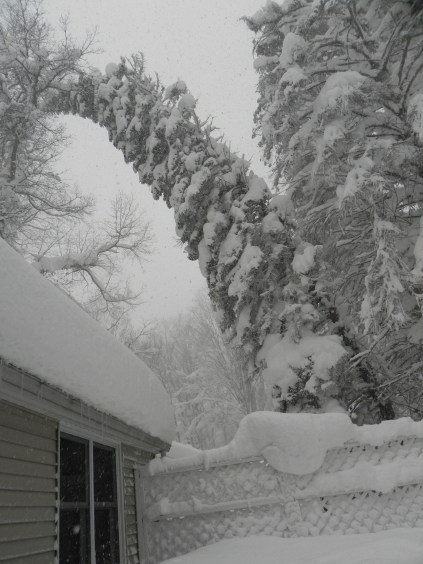
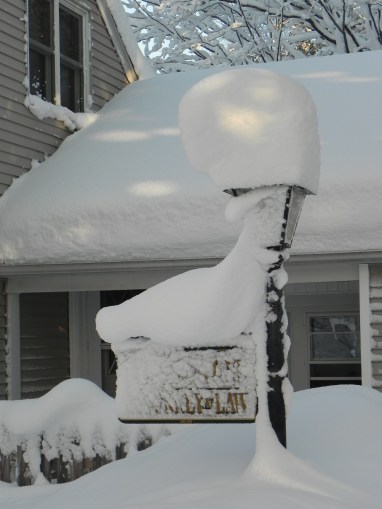
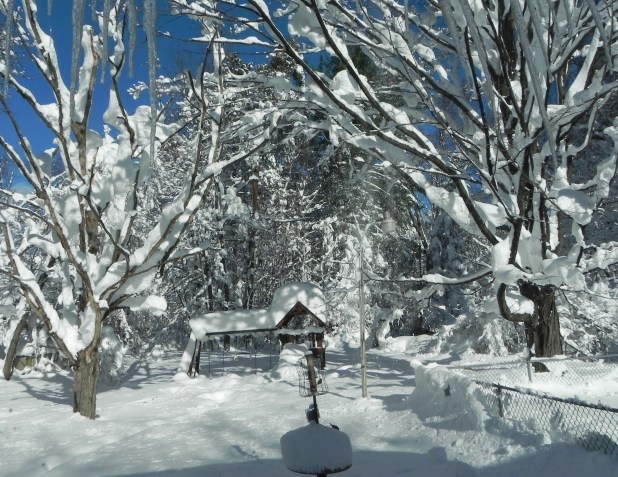
Snovember 2014 – East Aurora endures 90″ of snow in three days

Between the late evening of November 17th and the early morning of November 20, 2014, life for the Giacalone/Clarke family on Knox Road in the Village of East Aurora revolved around one activity:  shoveling and moving approximately seven-and-a-half feet of snow from our 80-foot long driveway.  Although there were Western New York naysayers who refused to believe the figures, a Syracuse-area publication, supported (I hope) by the pictures that follow, reported that the village of 6,000 people southeast of Buffalo indeed received 90.5 inches of snow (that’s 7.5 feet!) that week.  Not that we could venture off our property.  Traveling was banned.  Even huge snow-removal trucks had difficulty driving down Knox Road.  But we knew that failure to keep up with the snowy onslaught would make vehicular liberation nearly impossible once life started to return to normal.

The entire family joined in the task.  I was not quite 65 at the time, youthful enough to handle the hard work, yet old enough to understand the wisdom of pacing myself.  My slender-but-game 14-year-old son James, my seventeen-year-old daughter Lissa (who sat out the first two days of snow removal after suffering a mild concussion in gym class on November 17), and their long-suffering mother, all did their part.

Here are images from my former residence that memorable week of self-isolation, physical exertion, and wonder:

DSCN5365

DSCN5325

DSCN5345

DSCN5405

DSCN5423

DSCN5439

DSCN5490

DSCN5474

DSCN5457

DSCN5397

DSCN5504

DSCN5483

DSCN5478

DSCN5538

DSCN5534

DSCN5535

DSCN5388

DSCN5507

OK.  Now that I’ve got that out of my system, I’m ready for a refreshing spring and mild summer.

Be well.  Be safe.  Be productive.

With All Due Respect,

Art Giacalone


Looking for beauty in my own neighborhood

Posted by Arthur J. Giacalone on May 5, 2020
Posted in: Cazenovia Park, Olmsted Parks, South Buffalo, WNY Photos. 3 Comments

I hope my various photo “tours” the past 4 or 5 weeks have brought some distraction and enjoyment into the lives of those of you who may be spending more time at home than you’re used to.  [To exercise my brain and test my memory, I’m going to try to list my posts (in no particular order):  Buffalo-Erie County’s botanical gardens (I was scolded for originally referring to this wonderful place as “South Buffalo’s”); the Seneca-Iroquois national museum in Salamanca; WNY clouds; Rochester’s Lilac Festival 2019; Beaver Meadow nature preserve; and, the one I, frankly, didn’t initially remember, Buffalo’s Outer Harbor.]

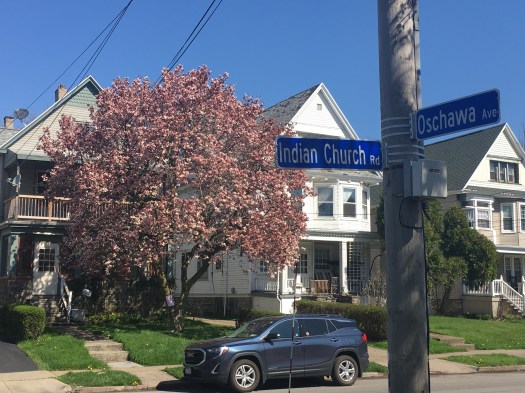
This time, I’ve decided to look for the lovely, serene, or just interesting (at least, to me) right in my own neighborhood (which, fortunately, includes Cazenovia Park, one of Buffalo’s Olmsted jewels).  My home, built in 1910, is on Oschawa Avenue, a one-block long street that awkwardly straddles the Buffalo-West Seneca border.  I’m just two doors down from Indian Church Road.

IMG_5150

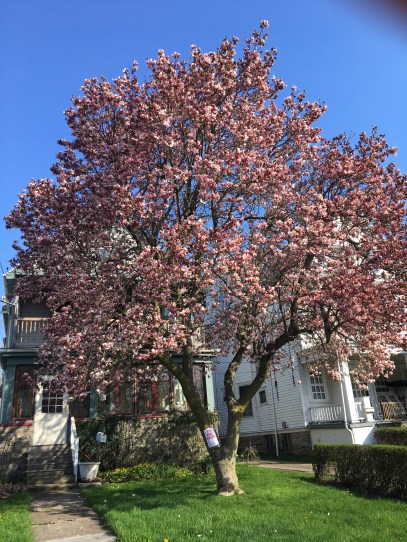
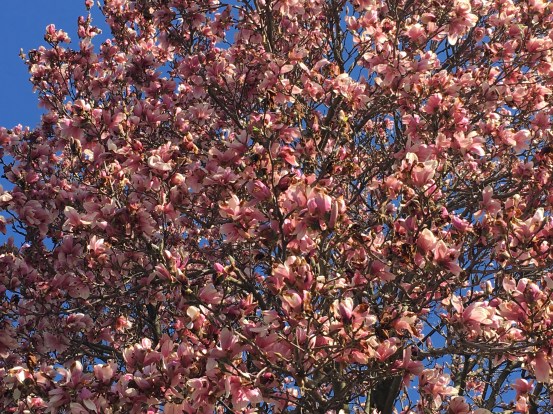
I headed out for a walk early on Sunday morning, May 3rd, with my smart phone in my pocket (it usually remains behind on my desk).  I was pleased that this lovely sight greeted me when I reached Indian Church Road:

IMG_5035

IMG_5036

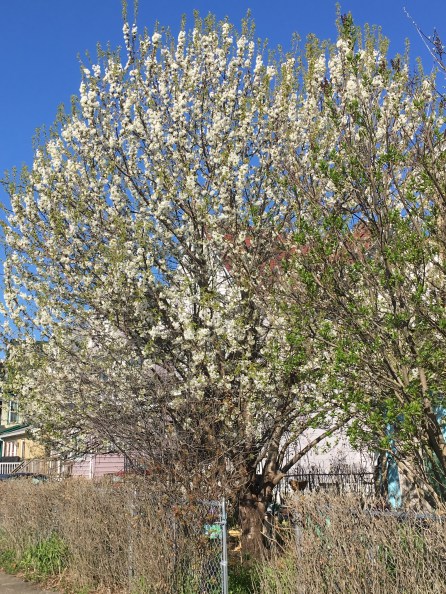
As I headed the four blocks down Indian Church toward Seneca Street, a number of spring time images caught my eye:

IMG_5037

IMG_5038

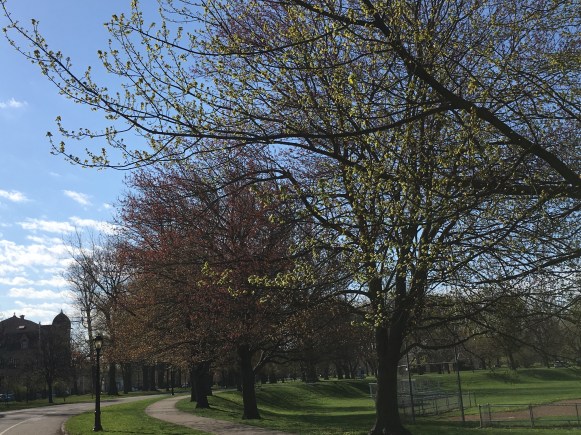
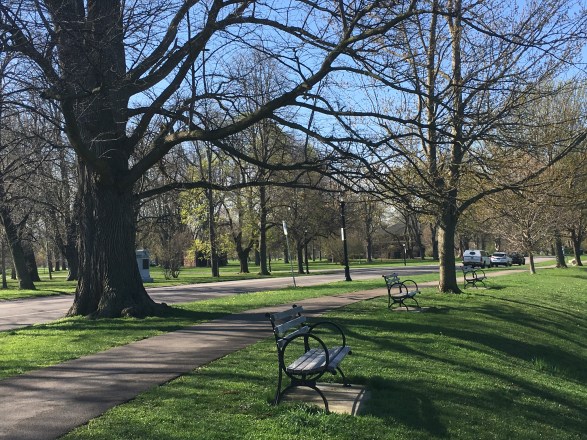
But, as always, it was Cazenovia Park that captured my imagination.

IMG_5041

IMG_5047

IMG_5050

IMG_5051

IMG_5056

IMG_5067

IMG_5085

And, in case you’d like to hear the rushing waters of Cazenovia Creek, here’s a short video:

IMG_5083

IMG_5083

IMG_5065

IMG_5091

IMG_5107

IMG_5104

IMG_5096

IMG_5111

IMG_5114

IMG_5123

IMG_5125


IMG_5120

IMG_5127

IMG_5134

IMG_5137

IMG_5144

IMG_5141

IMG_5148

It was time for me to head home.  Hopefully, you enjoyed these images from my Sunday morning stroll (prior to the arrival of restless Buffalonians, donned with masks and exhibiting various efforts to maintain social distancing).  Please let me know if you’re inspired to head out your front door in search of what’s inspiring in your neck-of-the-woods.

With All Due Respect,

Art Giacalone


Walking Beaver Meadow’s paths – self-isolation at its best

Posted by Arthur J. Giacalone on April 28, 2020
Posted in: Beaver Meadow nature preserve, Covid-19/Coronavirus, WNY Photos. 7 Comments

[Update:  Jay Burney, my friend and someone who for decades has had an immeasurable impact preserving and restoring WNY’s natural resources, sent me two links this morning you may want to click.  The first is to Jay’s Birds on the Niagara Festival website, and the second is his video of Spring Birds 2020 (with helpful bird titles!).  Enjoy seeing and learning from a professional videographer and lifelong naturalist.]

I desperately needed to not only get out of my house last Friday, but to experience something that contrasted starkly with weeks of living alone in my South Buffalo home, and wasn’t overwhelming. Mission accomplished. I drove 32 miles to Beaver Meadow in North Java, New York, and enjoyed “self-isolation” at its finest.

In case you’re not familiar with this 324-acre nature preserve, the Beaver Meadow Audubon Center – 20 minutes or so outside of East Aurora – includes meadows, ponds, wooded uplands, wetlands with a boardwalk trail, and eight miles of trails (as well as an arboretum and hawk watch). And, if the photos that follow inspire you to take your first trip there, or motivate you to revisit this ecological gem, you can quickly brush up beforehand on North America’s second largest rodent by reading the Ontario Parks blog post entitled, “The beaver in winter.”

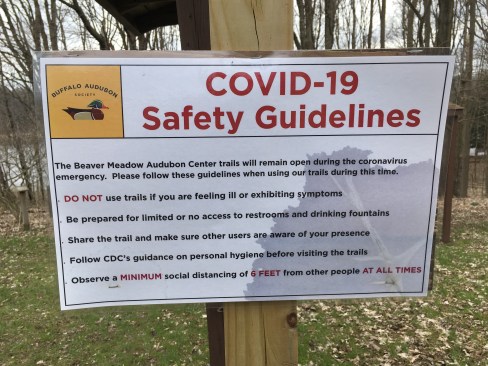
One last comment before sharing images from my 60-minute walk. Except for the following sign upon entering the nature preserve:

IMG_4809 (2)

and, the closing off of a small area meant for collaborative (and, creative) activities:

IMG_4978

there were no reminders of the altered world I had left behind.

IMG_4815

IMG_4958

IMG_4867

IMG_4899

IMG_4875

IMG_4843


IMG_4837

IMG_4881

IMG_4888

IMG_4882

IMG_4869

IMG_4844

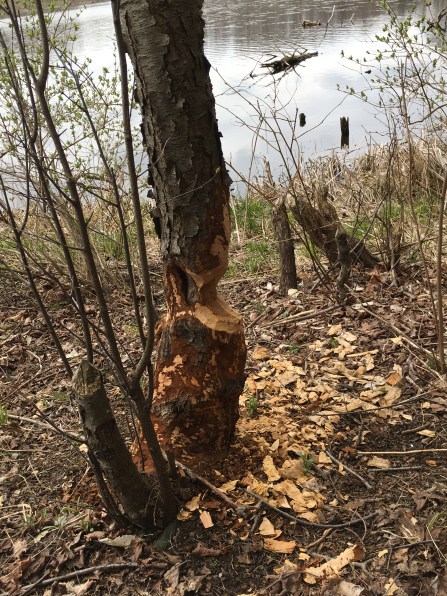
Time for a rest or to quietly wait to sight beavers at work.  But, it turns out, beavers – while they don’t hibernate – tend to be more active at night this time of year.  They also locate their den a distance from shore to help protect themselves from predators:

IMG_4905 (2)

IMG_4877

IMG_4927

IMG_4903

IMG_4912

IMG_4944

IMG_4942

IMG_4949

IMG_4928

IMG_4931

IMG_4924

The currently-closed visitor’s center (but, the trails remain open!):

IMG_4987

With All Due Respect,

Art Giacalone

P.S.  By the way, Beaver Meadow nature preserve is a remarkable place to visit when autumn brings a change in colors.  I’d like to think our world will have returned to some semblance of “normalcy” by then.  Here’s a few images from perhaps 20 or 30 years ago:

img299

img304

img300


Unmasked and checking out the clouds

Posted by Arthur J. Giacalone on April 16, 2020
Posted in: COVID-19/Coronavirus pandemic, WNY Photos. 2 Comments

I’m most likely in the minority, but I have always enjoyed doing my weekly grocery shopping.  Not today.

I wore a mask for the first time today while shopping at Wegmans.  It wasn’t pleasant, physically or mentally.  But I do fully understand the need to cover our faces to protect one another.

My adventure lasted only an hour.  So I was amazed at how stressed and tired I felt when arriving back home.  And I couldn’t help but wonder how exhausting and draining it must be for the employees who stock the shelves, check out and bag our purchases, and carrel the shopping carts.

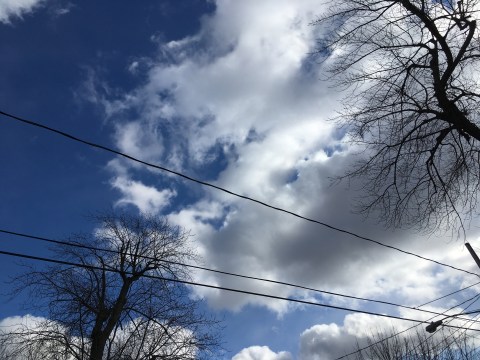
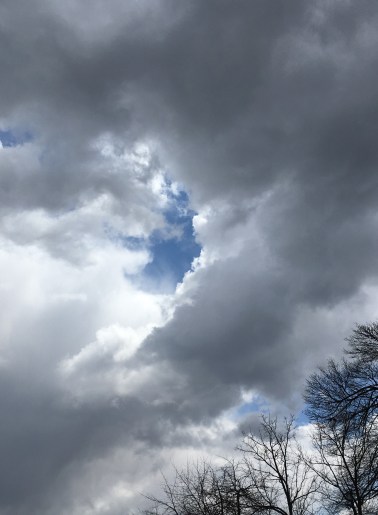
I did find a “healthy” way to relieve – at least for the short term – that queasy feeling at the pit of my stomach.  I remembered to do what has helped me keep my feet firmly on the ground the past month or two.  I looked up and checked out the amazing clouds that adorn our Western New York skies.  That simple act is free, without adverse side effects, and can be done from a house window, back porch, or while taking a neighborhood stroll.  I highly recommend it.

So, as a public service to those of you who may be feeling a bit overwhelmed or anxious these days, here’s some images captured recently either from my home or while walking my South Buffalo neighborhood.  Please enjoy.

Regards,

Art Giacalone

IMG_4522 (1)

IMG_4709

IMG_4707

IMG_4521 (1)

IMG_4777

IMG_4723

IMG_4721

IMG_4768

IMG_4762

IMG_4767 (2)

IMG_4730

IMG_4733

IMG_4734

IMG_4705


Front-line health care workers have my gratitude and – if needed – my ventilator

Posted by Arthur J. Giacalone on April 13, 2020
Posted in: COVID-19/Coronavirus pandemic, Uncategorized. Leave a comment

[Update:  I am grateful to the Buffalo News for publishing a much-abbreviated version of this posting as a letter-to-the-editor in its Sunday print edition on April 26, 2020, under the headline, “Give health care workers more than just praise,” and then, on April 29, a more personal expression of my sentiments on this topic as a “My View” column, under the headline, “My living will is a way to aid medical workers.”  Here’s the on-line version of the letter-to-the-editor, as well as the on-line publication of the My View piece, under the headline, “Health care workers have my gratitude and – if needed – my ventilator.”]

CAVEAT: I’m a semi-retired lawyer, not a medical doctor or bioethicist. I have never represented health care officials, medical professionals, or other scientists concerning their legal and ethical duties. And, about 44 years have slipped by since I last thought about bioethical issues in an academic setting. In other words, I’m not an expert on bioethics or the subject matter of this post, and I’m certainly not attempting to give legal, ethical, or, for that matter, personal advice.

The Sunday edition of the Buffalo News includes an “Another Voice” column authored by the heads of three major Western New York health insurance companies. If you haven’t already, please read this thoughtful article. [Here’s a link, “Heroic health care workers deserve our gratitude.”]

I agree wholeheartedly with the premise and sentiment of the piece, aptly summarized in its final paragraph:

Each day – from prior to this pandemic, to well after it is resolved – we benefit from the selfless dedication of the people across our community who stand ready, when needed, to serve and care for the sick and injured. We owe them our thanks and our gratitude.

I also concur with the broad description of health care workers identified in the column as especially worthy of our gratitude during the coronavirus pandemic: doctors, nurses, health care aides, laboratory professionals, pharmacy personnel, the staff who clean and disinfect, the food service professionals, the staff that keep the buildings operational, the guards who keep the facilities safe and secure, and, importantly, the providers who serve the needs of the sick, injured and frail in patients’ own apartments and homes.

But, I would add the following risk-takers to that list: emergency medical technicians (EMTs), paramedics and ambulance personnel who transport the sick to acute care facilities.

And, along with thanking health care workers, I intend to show my gratitude by updating my “living will” to include the following advance care directive: If, during the pandemic, I become ill – due to Covid-19, an accident, or other health issue – and I require access to ventilator therapy to keep me alive, and, at that time, there is a scarcity of ventilators, I request that a front-line health care worker have priority over me to an available ventilator.

I encourage each of you to consider whether you are willing and able (given your personal situation) to join me in taking this tangible expression of gratitude.

This step – giving health care workers priority to a ventilator during the coronavirus pandemic – is consistent with a well-reasoned and comprehensively researched article published on March 23, 2020 in the New England Journal of Medicine, “Fair Allocation of Scarce Medical Resources in the Time of Covid-19,” by Ezekiel J. Emanuel, M.D., Ph.D., et al. This insightful piece convincingly argues that the “most important” ethical value when rationing limited resources in the context of a pandemic is “maximizing benefits” – that is, saving the most individual lives – and that this paramount goal is promoted by “giving priority to those who can save others.” As expressed by Dr. Emanuel et al.:

Critical Covid-19 interventions — testing, PPE, ICU beds, ventilators, therapeutics, and vaccines — should go first to front-line health care workers and others who care for ill patients and who keep critical infrastructure operating, particularly workers who face a high risk of infection and whose training makes them difficult to replace. These workers should be given priority not because they are somehow more worthy, but because of their instrumental value: they are essential to pandemic response. If physicians and nurses are incapacitated, all patients — not just those with Covid-19 — will suffer greater mortality and years of life lost…

Certainly, our first goal in addressing the Covid-19 pandemic must be to take appropriate steps to reduce the spread of the virus. To the extent the viral spread is limited (or, at a minimum, slowed), we, in the words of Dr. Emanuel et al., “may make resource shortages less severe by narrowing the gap between medical need and the available supply of treatments.”

Each of us can assist in this effort by engaging in the well-publicized public health measures: self-isolation, social distancing when we do venture out of our homes, frequent washing of hands, wearing of face masks when appropriate, and the “cough etiquette” we teach our school-age children, coughing and sneezing into our elbows.

There is an additional action that we all can take – if we haven’t already – beyond the public health measures noted above, to limit the scarcity of ventilators, and to ensure that this critical life-saving therapy will be available when needed by a front-line health care worker: Make certain that you have an up-to-date health care proxy form – specifying the person who will make health care choices for you when you are unconscious or no longer mentally competent to communicate your health care wishes to your doctor – and document in a living will or advance directives the circumstances when you would refuse mechanical ventilation (or other life-sustaining interventions). By doing so, you will help to ensure that the staff at an acute care facility facing an onslaught of Covid-19 patients can more swiftly and efficiently utilize scarce resources.  [In the words of a resident currently caring for patients infected with COVID-19: “the worst allocation of a ventilator, is to a patient who wishes not to be ventilated.”]

If, like me, you need to take steps to update or create your health care proxy designation, “living will”/advance directives, etc., I suggest that you avail yourself to the information regarding Specific Advance Directives, prepared by End of Life Choices New York. This highly regarded not-for-profit organization can be reached on-line or by phone at (212) 726-2010. And, fortunately, the task of updating or creating a living will/advance directive in this time of self-isolation has been made a bit easier by the witness-related provisions in Gov. Andrew Cuomo’s Executive Order No. 202.14.

One final point. Not every effort to establish guidelines to address the allocation of ventilators in the midst of a pandemic has recommended that health care workers be given priority. In 2015, the N.Y.S. Department of Health issued, a 272-page document, “Ventilator Allocation Guidelines,” prepared by the New York State Task Force on Life and the Law. The goal of these voluntary guidelines is to “provide an ethical, clinical, and legal framework [to] assist health care workers and facilities and the general public in the ethical allocation of ventilators during an influence pandemic.” [Without providing a detailed explanation, the task force determined that prioritizing health care workers or other patient categories would be too “subjective” a method for allocating scarce resources. See Ventilator Allocation Guidelines 2015 Update, p. 13.] While these guidelines are not mandatory, their existence as a framework to aid decisions made by health care workers and facilities underscores the need to expressly include in your advance care directives – if you so desire – your request that health care workers (defined broadly) be given priority over you to an available ventilator during the Covid-19 pandemic.

Thank you.

With All Due Respect (and, Gratitude),

Art Giacalone

P.S.  If the topic of bioethics and the Covid-19 pandemic is of interest, you may also want to read another piece published on March 23, 2020 in the New England Journal of Medicine, “The Toughest Triage – Allocating Ventilators in a Pandemic,” by Robert D. Truog, M.D., Christine Mitchell, R.N., and Gregory Q. Daley, M.D.,PhD.

Exploring the Seneca-Iroquois National Museum in Salamanca NY

Posted by Arthur J. Giacalone on March 27, 2020
Posted in: Native American, South Buffalo, WNY Photos. Leave a comment

As a “non-essential” and semi-retired 70-year-old, I’m self-isolating these days at my 110-year-old home in South Buffalo, around the corner from Indian Church Road.  I’ve lived here for nearly five years on a one-tenth acre plot of land that was, until the so-called Treaty of 1842, part of the Seneca Nation of Indians’ Buffalo Creek Reservation.

Map from 1797 showing reservation land            1979 Map of reservation land

IMG_4714                From Abstract of Title for 17 Oschawa Ave., Buffalo, NY

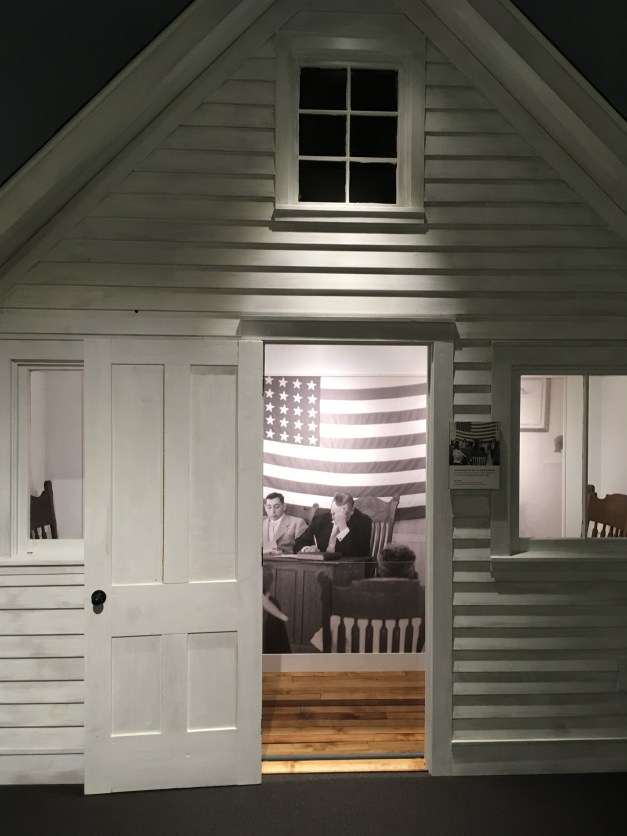
While the circumstances that brought me to Oschawa Avenue were not joyful, there’s been an unexpected silver lining.  I’ve taken small steps to learn about the culture and history of the indigenous peoples who lived throughout this region long before the Europeans arrived on the shores of what is now called North America.  As part of that nascent process, I drove to Salamanca, New York on August 4, 2018, to attend the festive grand opening of the Seneca-Iroquois National Museum.  [If interested in my posting regarding that visit, click here.]

DSCN9906

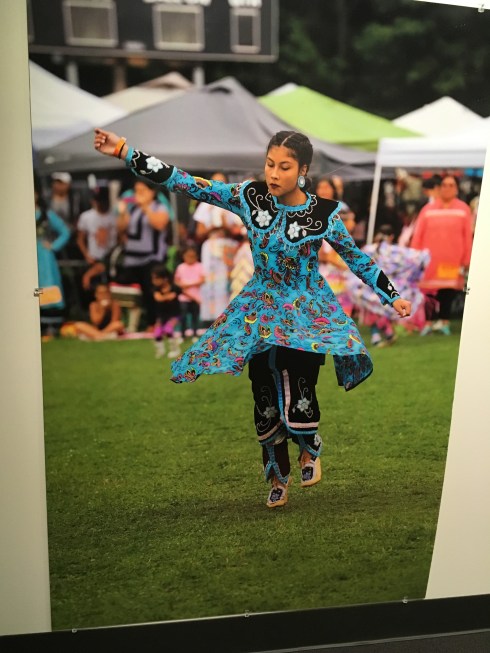
Wanting the opportunity to experience this living, breathing cultural center – located at 82 W. Hetzel Street, Salamanca, NY 14779 – on a quiet day, I returned to the museum on a weekday afternoon this past September.  I’d like to share with you images from that excursion to help you past the time during the COVID-19 pandemic, and, of equal importance, to motivate as many of you as possible to travel to Salamanca – once we’re liberated from our crucial self-isolation – to thoroughly explore the history and culture of the Keepers of the Western Door, the People of the Great Hill.  What follows will merely skim the surface.

IMG_3033 (2)

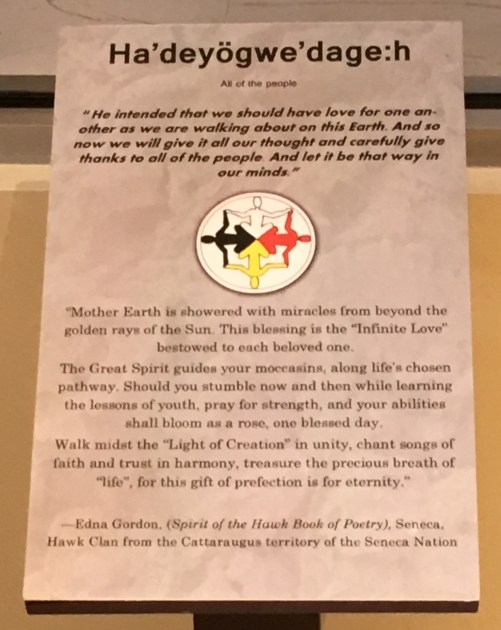
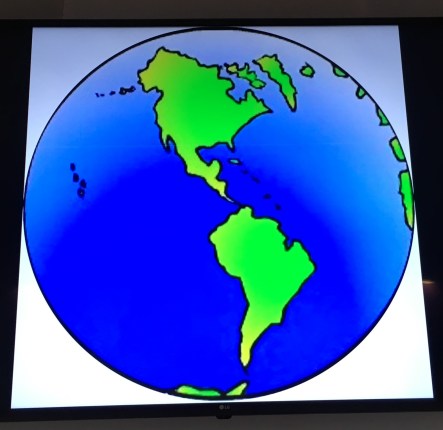
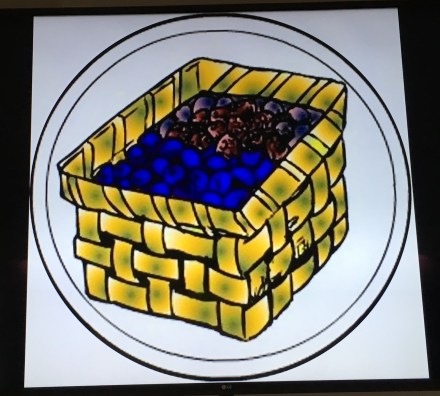
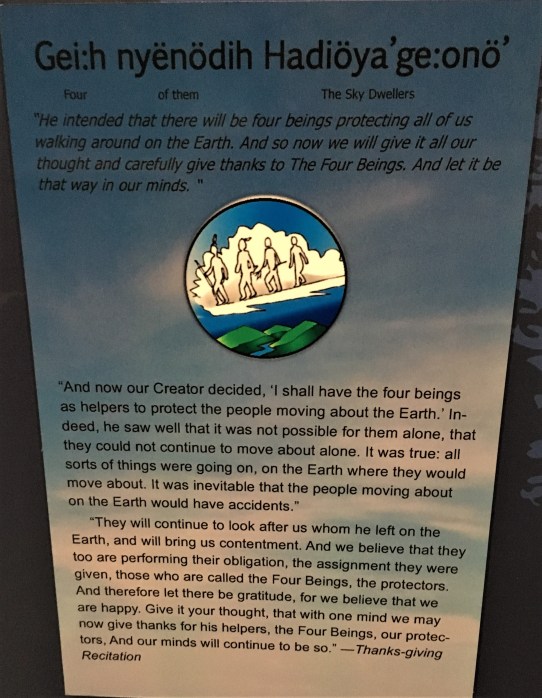
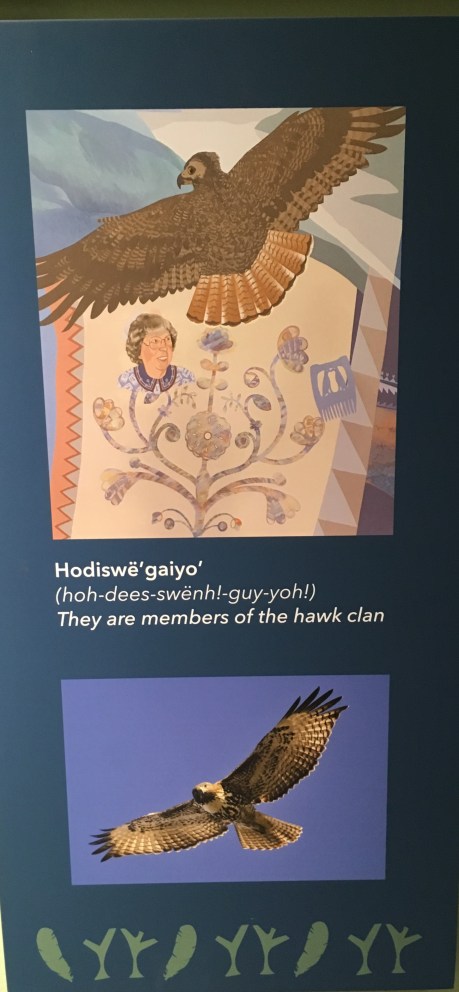
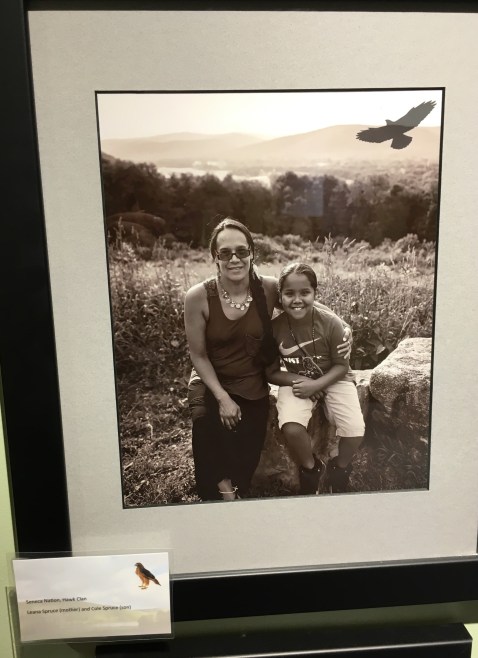
This tour starts with several images (by Bill Crouse, Seneca Nation, Hawk Clan) from the museum’s exhibit, “Ganö:nyök” (Giving Thanks for Everything), with occasional text to help one better understand the symbols.  [For the entire “Thanksgiving Address,” please peruse  “Ganö:nyök – Thanksgiving Address” , with words by Sandra Jimerson-Dowdy and illustrations by her son, the afore-mentioned Bill Crouse.]

IMG_3010

IMG_3034 (2)

IMG_3011

IMG_3058 (2)

IMG_3012

IMG_3014

IMG_3015

IMG_3025

IMG_3042 (2)

IMG_3028

IMG_3146 (2)

IMG_3029

The cultural center has a plethora of Seneca-Iroquois crafts and artistry on display.  Here’s a sampling:

IMG_3086

IMG_3041

IMG_3078

IMG_3072

IMG_3099

IMG_3174 (2)

IMG_3071 (2)

Not surprisingly, the walls overflow with information on the significant role of creation myths, clans, and both historical and contemporary figures and events (uplifting and heartbreaking).

IMG_3035 (2)

IMG_3039 (2)

IMG_3036 (4)

IMG_3038 (2)

IMG_3040 (3)

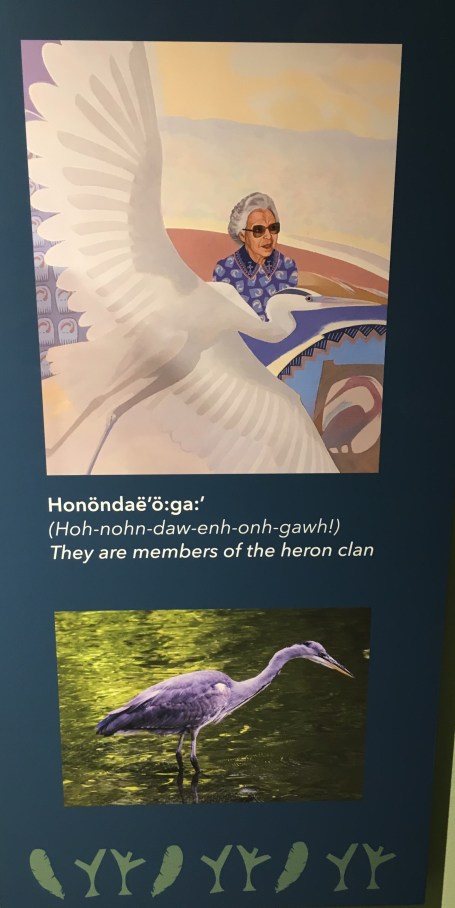
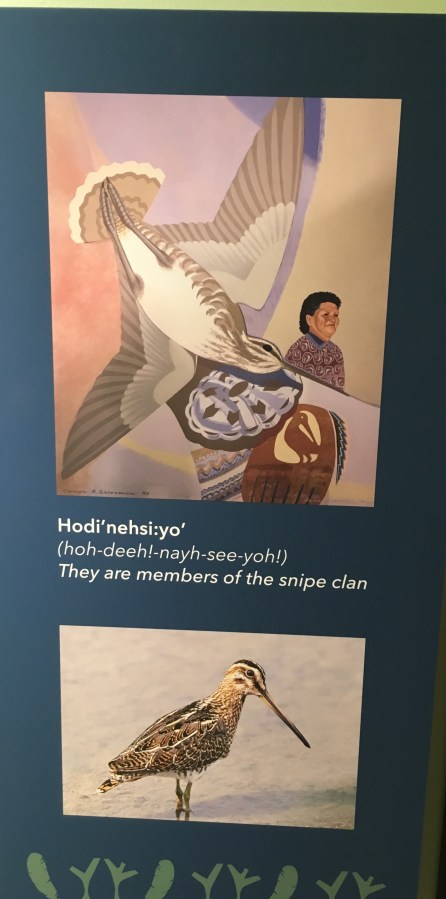
The 8 Seneca Clans:

IMG_3047 (2)

IMG_3046 (2)

IMG_3049 (2)

IMG_3055 (2)

IMG_3054 (2)

IMG_3053 (2)

IMG_3056 (2)

IMG_3048 (2)

IMG_3050 (2)

IMG_3052 (2)

IMG_3062

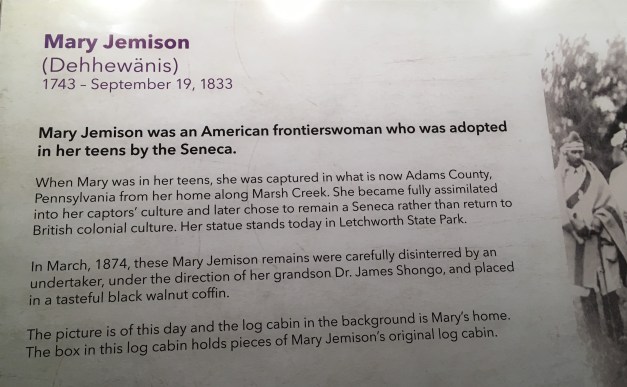
MARY JEMISON [who was once buried on sacred land in what is now called the Seneca Indian Park on Buffum Street, a block-and-a-half from my South Buffalo home]:

IMG_3093 (2)

IMG_3096 (2)

IMG_3095

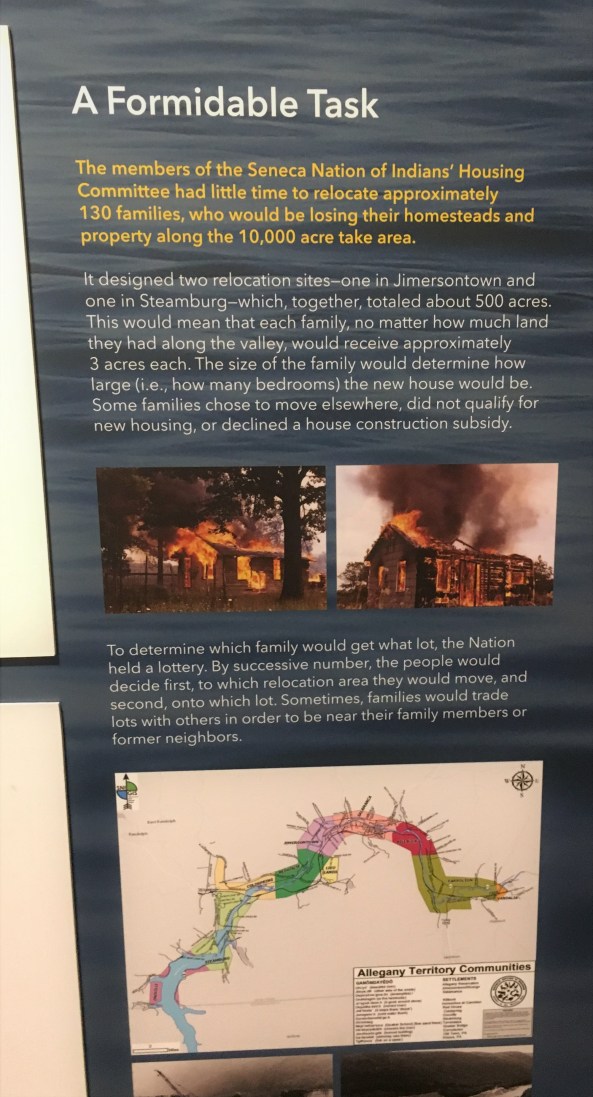
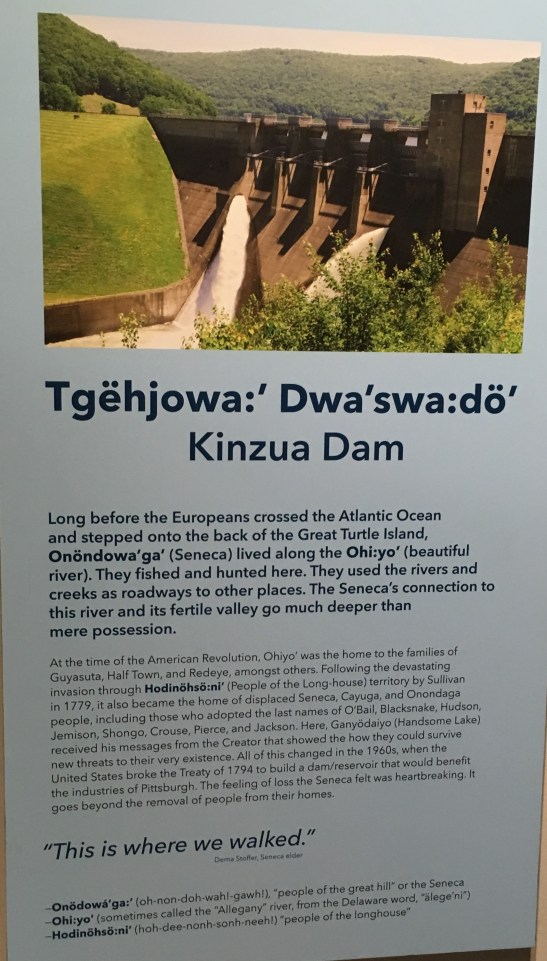
The KINZUA DAMN Travesty (excerpts):

IMG_3119 (2)

IMG_3129 (2)

IMG_3120 (2)

IMG_3136 (2)

IMG_3162

IMG_3139 (2)

IMG_3128 (2)

IMG_3140 (2)

With the positive expression, “Continuing To Be,” I’ll bring my amateurish-but-heartfelt tour to an end, hoping that it has whetted your appetite for the full experience at the Salamanca, NY museum and cultural center.

With All Due Respect,

Art Giacalone


Buffalo’s Zoning Board is entrusted with safeguarding the Fruit Belt neighborhood

Posted by Arthur J. Giacalone on March 11, 2020
Posted in: City of Buffalo, Development, Fracking, Gentrification, Green Code. Leave a comment

Open letter to Buffalo’s Zoning Board of Appeals:

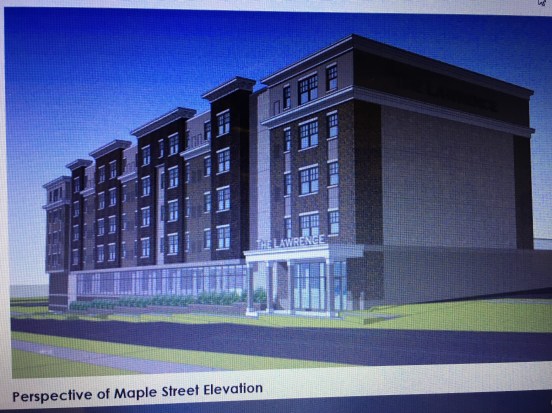
On March 18th you will be conducting a new public hearing (and, if I’m remembering correctly, your 5th meeting) regarding “The Lawrence” – the 133-unit, 4-to-5-story apartment complex proposed by Timothy LeBoeuf and Symphony Property Management. If approved, the facility would straddle Michigan Avenue and Maple Street, and constitute a significant encroachment into the traditional Fruit Belt neighborhood.

Anyone getting their information about this project solely from the Buffalo News might feel sympathy for the poor developer. After all, according to business reporter Jonathan D. Epstein, LeBoeuf has revised the project a number of times “in response to community feedback,” but just can’t make the opposition go away. But this one-sided perspective can’t hide the facts: The original proposal was so monstrously out-of-scale and character with the Maple Street side of the project that repeated tweaking of the dimensions, setbacks, and façade still leaves a proposed development grossly out of character with the adjoining Fruit Belt neighborhood, and out of compliance with the standards set forth in the Unified Development Ordinance (a/k/a “Buffalo Green Code”).

IMG_4288 (3)

IMG_4063

As you approach the March 18, 2020 public hearing, please keep the following comments in mind:

  1. Your primary obligation as Buffalo’s zoning board is to protect our city’s neighborhoods and the integrity of our zoning laws. In the words of our state’s highest court, a zoning board of appeals “is entrusted with safeguarding the character of the neighborhood in accordance with the zoning laws.” You are responsible, not for bailing out land speculators or misguided developers overly eager to profit off of land near the Buffalo Niagara Medical Campus, but for preserving the character of the Fruit Belt neighborhood.
  2. The important issue is not the number of times the developer has altered its plans for “The Lawrence,” but the extent to which the current proposal remains jarringly out-of-compliance with the UDO/Green Code requirements (in particular, with Maple Street’s “N-2R” residential zoning status).
  3. And the standard to apply is not the developer’s manufactured and amorphous measuring stick – “more in line with the spirit” of the Green Code. The standard to be applied should be the lot width, density, yard requirements, and height limitations established by the Common Council for this residential district.
  4. The developer’s proverbial “lipstick-on-a-pig” masquerade will not fool the neighborhood residents. They will know and feel the palpable difference between what the zoning law calls for – several three-story residential structures separated by side yards and green space – and a single, four-story building, 254-feet wide, with two recessed sections, consuming what had been nine Maple Street parcels.
  5. Our state’s highest court has acknowledged multiple times that lot size and the architectural style of nearby homes are relevant factors when considering impacts on the character of a neighborhood. The Maple Street neighborhood consists almost exclusively of century-old, one- and two-family homes (with a smattering of 3-unit newer builds). None of these houses exceeds two stories in height. These traditional residences average less than 1,900 square feet in area, and sit on lots averaging 37 feet in width. In stark contrast, Mr. LeBoeuf’s development company, unconcerned that the Maple Street side of “The Lawrence” would dominate – but not invite in – its Fruit Belt neighbors, would shoehorn its proposed apartment complex into what had been 15 parcels of land.
  6. As you know, one of the five mandatory “balancing test” criteria you must consider when deciding whether to approve or deny area variances is whether the requested variance is “substantial.” In 2002, while affirming a zoning board’s denial of two lot size and lot width variances, our state’s highest court made the following declaration: “The area variances – of at least 60% – are undisputably substantial.”  
  7. Given that 60% variances are characterized by our state’s highest court as “undisputably substantial,” how do you plan to describe – and what be the detriment to the neighborhood’s existing character – of the following requested variances for the Maple Street portion of “The Lawrence” proposal:

– A 205% variance from N-2R’s maximum-density-allowed standard (the proposed 64 units per acre vs. the 21 units per acre allowed under the Green Code)?

 – A 333% variance from N-2R’s maximum-lot-width requirement (the proposed 260-foot wide lot, rather than the 60’ lot width allowed under Buffalo’s zoning law)? And,

 – A 767% variance from N-2R’s minimum-total-side-yard requirement (a mere 6’ total of side yards – 3’ at each end – rather than 52-foot total required by the Green Code)?

  1. Please remember, as you perform your “balancing test” (measuring the benefit to the developer against the detriment to the neighborhood) that the “benefit” Mr. LeBoeuf is seeking from you is protection from a self-created difficulty: In 2017, Symphony Development, as speculators, bought just over an acre of land near the Medical Campus, spending approximately $1.7 million dollars for 15 parcels which were assessed at that time at around $4,000 apiece. They knew, or should have known, the limitations for the property established under the Green Code. Now, they are desperate and whining, insisting that they need this out-of-scale and out-of-character apartment complex in order to make what they consider an appropriate profit.
  2. By saying “Yes” to this developer, you will be incentivizing even more speculation and displacement throughout the Fruit Belt. Your duty is to protect the neighborhood, not bail out the developer.

I trust that you will do the right thing, acknowledge your obligation to safeguard the character of the Fruit Belt neighborhood, and deny the Maple Street variances.

With All Due Respect,

Art Giacalone

Barking up the right tree – in Caz Park

Posted by Arthur J. Giacalone on March 8, 2020
Posted in: Cazenovia Park, Olmsted Parks, South Buffalo, WNY Photos. 3 Comments

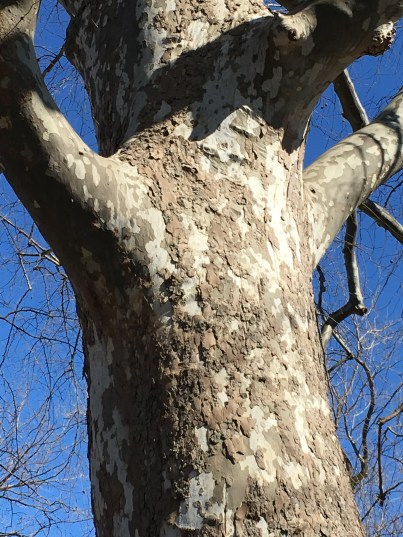
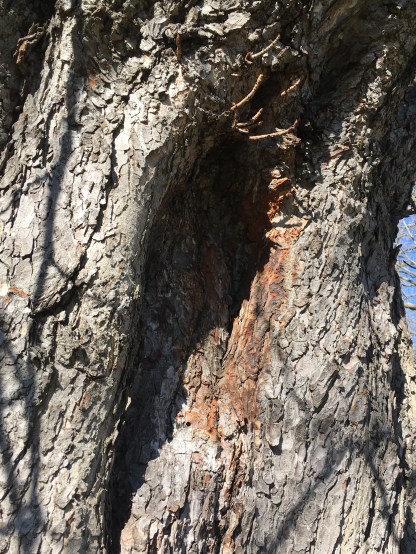
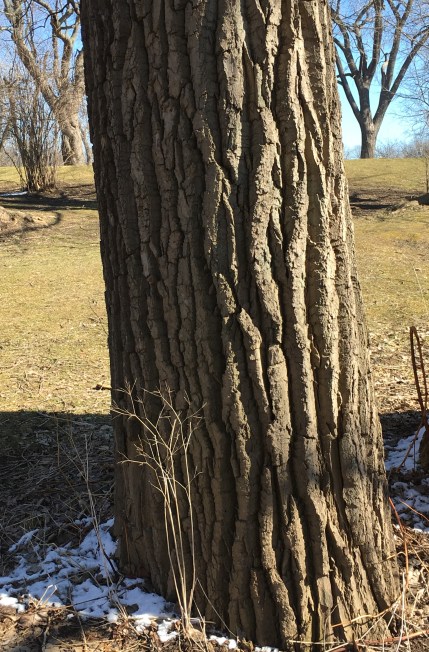
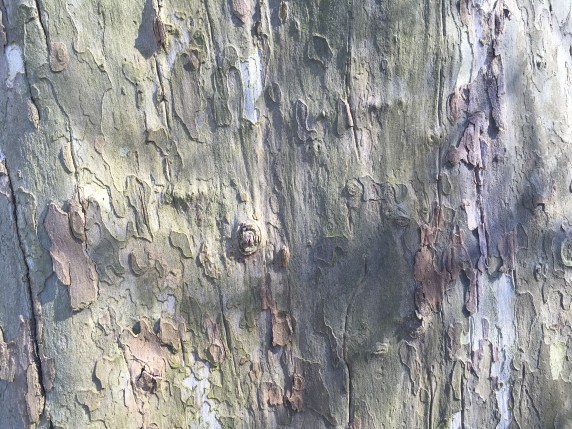
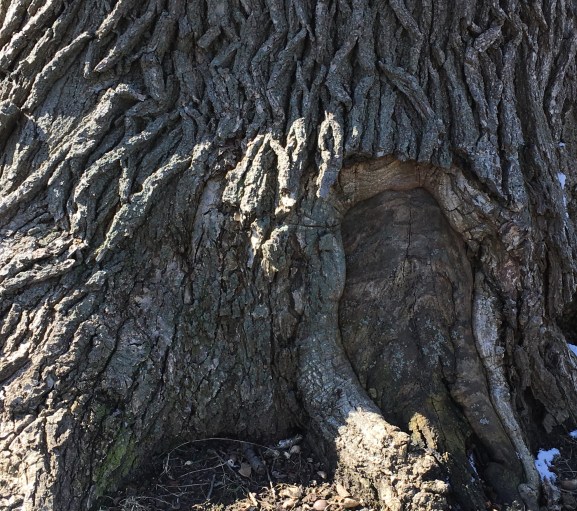
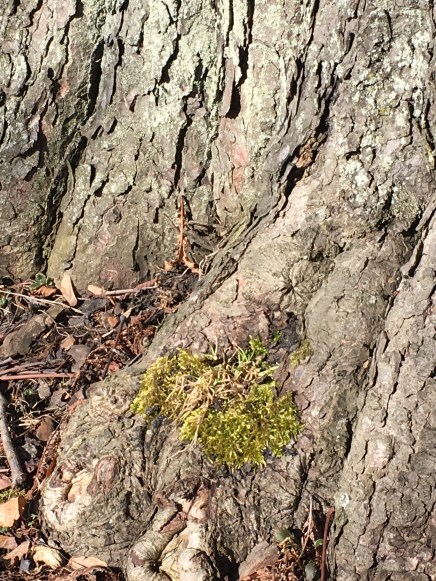
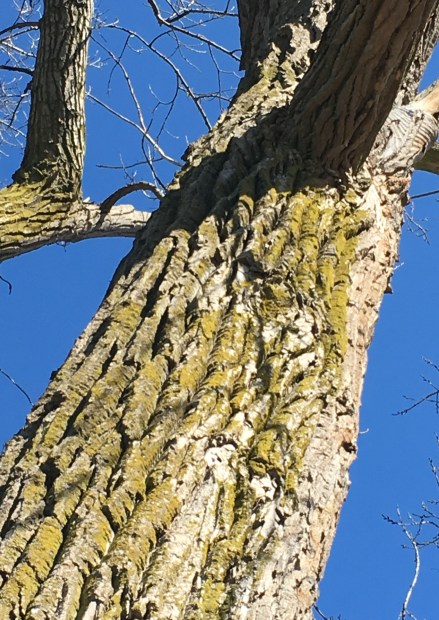
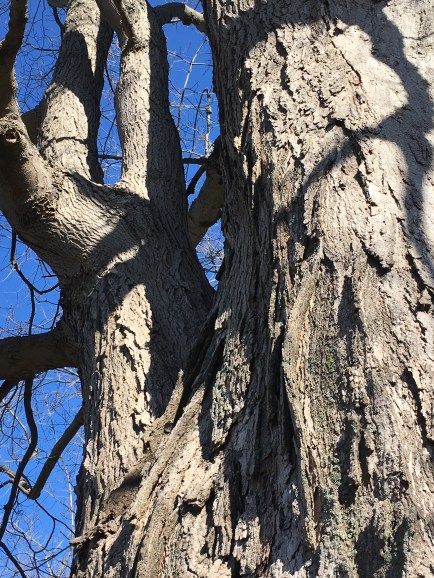
The lawyering side of my multi-fractured personality has spent much too much time of late howling at the moon and tilting at windmills.  So, having dispatched my latest professional task via USPS late Saturday morning, I walked to my neighborhood Olmsted Park – South Buffalo’s Cazenovia Park – on a sunny and brisk March afternoon with my aging iPhone inconspicuously resting in my front pocket.  I tried for a few minutes, but I couldn’t resist the urge to engage in a photo shoot that has been on my mind the past couple of weeks, something I considered calling “Barking up the RIGHT tree in Caz Park.”

I realize that this collection of images may not be for everyone, but I’m taking the risk of sharing it nonetheless in hopes that some of you might enjoy it.  Here it is:

IMG_4610

IMG_4603

IMG_4604

IMG_4606

IMG_4607 (2)

IMG_4608 (2)

IMG_4612

IMG_4614

IMG_4615

IMG_4617

IMG_4601 (2)

IMG_4621 (2)

IMG_4622

IMG_4623 (2)

IMG_4624

IMG_4627 (2)

IMG_4630

IMG_4632 (2)

IMG_4633

IMG_4635

IMG_4638

IMG_4641

IMG_4645

IMG_4642 (2)

IMG_4647

IMG_4649 (2)

IMG_4653

IMG_4654

IMG_4618 (2)

With All Due Respect,

Art Giacalone

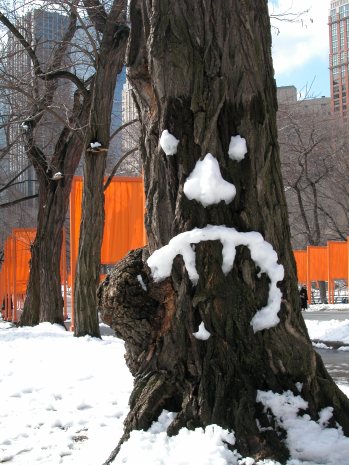
P.S.  Here’s a bonus photo, taken in 2005, of a tree that caught my eye in a fairly well-known Olmsted Park in NYC:

The Gates - Central Park 02-2005 085


Living the high life at Buchheit Village

Posted by Arthur J. Giacalone on February 22, 2020
Posted in: Buffalo News, City of Buffalo, Development, Gerald A. Buchheit Jr., Jonathan D. Epstein, South Buffalo, Waterfront. Leave a comment

Gerald Buchheit is the “main man” at Queen City Landing. [It’s a limited liability company, so we don’t know who he is or isn’t partnering with these days.]

It was less than three months ago that Buchheit’s spokesperson, Phil Pantano, was quoted in the Buffalo News claiming that “Jerry” had used the two years since the city’s 2016/2017 approvals for his 23-story tower “… to really review and refine his vision and plan for the project.” Then, a couple weeks later, on December 4, 2019, Buffalo’s Common Council was sent a Letter of Intent [LOI] by Mr. Buchheit’s counsel, Adam Walters, admitting that (despite two years of reviewing and refining his vision) Queen City Landing had zero plans for the rear 12-acres of the 20-acre Fuhrmann Boulevard site:

“… Any future redevelopment of the remaining approximately 12 acres of the site will be designed and progressed on market demand in a way that furthers QCL’s overall redevelopment goals consistent with the PUD.  However, at this time, no further redevelopment plans for the site have been developed.”  [Emphasis added.]

The same admissions were made on behalf of QCL/Buchheit at January 2020 proceedings – in furtherance of Queen City Landing’s flawed PUD application – before the City Planning Board and the Common Council’s Legislation Committee.

But now – just a month or so later – we all are asked to believe that Mr. Buchheit and his team have a sincere, carefully crafted, and doable “master plan” for the entire 20-acre QCL site. Why, we have even been provided a rendering of what Jim Fink and Business First Buffalo say is Buchheit’s intention “to create a village” (with a $180M price tag):

QCL's rendering total new proposal                              [a/k/a “Buchheit Village”]

The Buffalo News recently reported on this latest iteration of Mr. Buchheit’s “vision” for the former Freezer Queen site. Here’s how the BN’s business reporter, Jonathan D. Epstein, describes Mr. Buchheit and his plans:

The developer behind the controversial Queen City Landing residential tower on the Outer Harbor is doubling-down on his bet, proposing two more six-story apartment buildings and a cluster of 32 townhouses on the rest of the peninsula that juts into the water.

Gerald Buchheit, whose pending proposal for a 20-story building is still mired in controversy, now says he wants to add two more phases to the project, located at 975 Fuhrmann Blvd.

His concept would ultimately add another 178 apartments – on top of the 206 he already plans in the first phase – along with additional restaurants, terraces and parking, according to documents that Buchheit has submitted to the city.                                                             …

But I really don’t think the Buffalo News, or the Queen City Landing website, provides anyone who might be curious about the proposed project the full picture.  So I wrote a letter to the editor, and my tongue-in-cheek musings were included in the February 22, 2020 print version of our region’s largest newspaper under the headline, “Queen City Landing is not the gem it seems.”

If you’re interested n reading my “Everybody’s column” submission, I’m inserting it below – with the title I had proposed – and adding links to various assertions that I make.

Living the high life at Buchheit Village

Dear Editor,

WANTED: 384 adventurous renters and condominium owners to live in “Buchheit Village” on Buffalo’s Outer Harbor. The views are great, and you’ll have the opportunity to enjoy a variety of extras:

First, impress your friends by pointing to your home on FEMA’s flood plain maps and bragging about the “Special Flood Hazard Area” designation.  See. FEMA FIRMETTE QCL-Small Boat Harbor Area Site_Specific[22528] (You might refrain from telling them about the sky-high annual premium for your mandatory flood insurance policy.)

Second, when the meteorologists warn that a wind-driven, 8- 12- or 15-foot wall of water or seiche will be crushing the Lake Erie shoreline, invite your friends over to hunker down with you and experience the awesome power of nature.

[Here’s how Our Outer Harbor‘s website describes the recent “seiche” activity along Buffalo’s Outer Harbor:

Lake Erie Seiche

A seiche is like a tsunami, except that it is not caused by an earthquake. Lake Erie is shaped like a bathtub. Storms from the west push the water toward the east (Buffalo) and this causes a rise in water levels at the eastern end of Lake Erie. Seiches occur frequently on Lake Erie, but they are generally small, and unless you are on the water a lot you may not even notice. We have about 50 seiches a year most of them under 2 feet. Lake water tends to slosh back and forth between the east and west ends of Lake Erie. Currently Great Lakes water levels including Lake Erie’s are at record highs.  Last spring the Outer Harbor experienced a powerful storm that pushed a seiche onto the shoreline and inland.  This storm surge was characterized by huge ice flows and jams that wreaked havoc in places like Times Beach Nature Preserve and Canalside. The October 28-29 2019 seiche appeared to be about 10 feet at the Outer Harbor on top of historic high water in Lake Erie.  The 2nd seiche on October 31- November 1 2019 included high wind gusts of over 70 mph. It created enormous damage along the entire outer harbor, at Fort Erie and along the Niagara River shoreline. Canalside was also and flooded.

Third, if you enjoy using your car every time you need groceries, when it’s time to refill a prescription, or your clothes need dry-cleaning, you’ll be in heaven living in a development that QCL’s traffic consultant describes as “Car-Dependent” with a “Walk Score” of 1 (on a scale of 0 to 100, with 100 being most walkable).

IMG_4557 (2) IMG_4558 (2)

Fourth, if you enjoy a constant parade of cars and the unpleasant smell of exhaust fumes, you can pack a picnic basket, sit on a park bench near the site’s entrance, and watch your neighbors and the public pulling in and out of the development’s 777 parking spaces.

Fifth, if you’re a bit morbid, you can entertain yourself most mornings counting the carcasses of migrating birds who got disoriented by the lights of the 20-story tower the previous evening.  [See, for example, HuffPost article re Galveston bird kill May 2017.]

You better hurry. This perfect place to live will fill up fast.

Sincerely,

Arthur J. Giacalone

With All Due Respect,

Art Giacalone

[Note: QCL’s 2018 Brownfield cleanup of the site only involved the front 8 acres, where the 20-story tower and 222-vehicle parking lot are proposed. Neither the City of Buffalo, nor the public, has adequate information to determine what type of development the DEC will consider appropriate for the rear 12 acres.]

Buffalo’s Zoning Administrator acts like the Facilitator-in-Chief

Posted by Arthur J. Giacalone on January 31, 2020
Posted in: Byron Brown, City of Buffalo, Development, Green Code, Nadine Marrero, SEQRA, Zoning Law. 3 Comments

[Update:  When I wrote this post in late January, I whimsically suggested how nice it would be to hold a forum to discuss the failings of Buffalo City Hall’s approach to zoning and development proposals.  Well, I had my wish substantially come true.  On March 5, 2020, I had the honor of sharing the (politically-correct, non-elevated) dais with Jessie Fisher, Preservation Buffalo Niagara’s Executive Director, and Partnership for the Public Good’s Sam Magavern, for a Buffalo Commons Workshop titled, “Local Land Use, Green Code, and Zoning.”  More than 30 people attended the two-hour lunchtime event, and the discussion was spirited (if not, overly encouraging).  Here’s my hand-out:  March 5 2020 Workshop on Land Use Green Code and Zoning,  where I reflect on how similar the problems were 13 years ago when I first addressed the “uneven playing field” residents face at a Continued Legal Education seminar, and then proceed to the topic of this post:  the role Buffalo’s Zoning Administrator/Director of Planning, Nadine Marrero, plays as the developer’s facilitator-in-chief.

Buffalo’s Division of Planning & Zoning is part of “The Mayor’s Office of Strategic Planning” – that’s Mayor Byron Brown, of course.  The OSP is headed by Brendan R. Mehaffy.  And, the head of the Planning Division is its Director of Planning, Nadine Marrero.  According to the OSP’s home page, “The Division of Planning & Zoning oversees the administration of the City’s development regulatory boards (Planning Board, Zoning Board of Appeals, and Historic Preservation Board) and engages the community in planning initiatives. ”

Director of Planning Marrero wears a number of hats, having been named “Zoning Administrator” under the City of Buffalo’s Unified Development Ordinance (UDO) [unofficially, Buffalo’s Green Code].

Having observed Ms. Marrero’s handling of her responsibilities the past several years [before and after the 2017 adoption of the UDO/Green Code], I was rather astonished recently to read the following “Objective” of the Planning Division:  “Ensure fair and equitable administration of land use policies and regulatory boards.”

Frankly, I would have sworn that the objective – or, perhaps, the job description for Mayor Brown’s Zoning Administrator –  was more akin to: “Serve as facilitator-in-chief to developers as they circumvent the requirements of the UDO and State Environmental Quality Review Act [SEQRA].”

It would be wonderful if we could hold a public forum where residents and community groups would have the opportunity to evaluate the performance of The Mayor’s Office of Strategic Planning and Division of Planning & Zoning in meeting the objective of ensuring fair and equitable administration of land use policies and regulatory boards.  [We could even give city officials and developers’ attorneys three minutes apiece to respond to the public’s comments and concerns.]

Here’s my first draft of a summary of topics to discuss at such a forum:

Title:  Do Residents/Neighborhoods confront an Unfair & Inequitable Zoning/Planning Process?

Purpose of forum:  Evaluate Division of Planning’s Stated Objective to “Ensure fair and equitable administration of land use and regulatory boards.”

Assumption: Residents/Neighborhoods/Community Groups face an uneven playing field.

A Major Cause: The Planning Director/Zoning Administrator, and much of her staff, function as developers’ Facilitators-in-Chief as proposed projects navigate the zoning, planning, and environmental review process.

Surprising Fact:  The Zoning Administrator’s listed duties do not include reviewing applications to determine and/or assure compliance with Uniform Development Ordinance standards.

Observation: Proposed projects are given advantageous treatment at each step in the zoning/planning process:

A.  Prior to Public Announcement of a Zoning Matter

– “Pre-application conferences” serve as strategy sessions where staff and developers’ representatives discuss ways to get around UDO restrictions, and where there is no apparent effort to conform proposals to UDO/Green Code standards.

– E.g., Queen City Landing’s proposed PUD to circumvent 6-story, 90’ height limits

– E.g., 983 Michigan Ave. apartment complex (“The Lawrence”), which requires 11 categories of variances – many of which are substantial – in 2 zoning districts.

– Zoning Administrator prematurely deems applications “complete” – and, therefore, prematurely schedules hearings and meetings – despite errors and omissions in the developers’ submitted papers.

– Zoning Administrator manipulates the order in which a project’s multiple applications are considered.

– E.g., Planning Bd.’s consideration of QCL’s PUD/rezoning application, SEQRA determination and LWRP consistency review separate from the Planning Bd.’s public hearing on major site plan review, thereby eliminating the public’s opportunity to address three critical topics

B. Scheduling and Noticing of Public Hearings/Meetings

– Scheduling back-to-back public meetings/hearings, which places a large burden on the public, and eliminates the likelihood that the Common Council and/or the public will receive the Planning Bd.’s written recommendations prior to the next public hearing.

– E.g., 1/13/20, 4pm, Pl. Bd. public meeting (not “public hearing”) on Queen City Landing’s Planned Unit Development (PUD)/rezoning request, SEQRA determination of significance and & LWRP consistency reviews; the following day, at 1pm, the Common Council Legislation Committee’s public hearing on the proposed PUD.

– Scheduling of Pl. Bd. site plan public hearings despite ZBA’s tabling of variance requests.

– E.g., on 1/27/20, Pl. Bd. conducts public hearing on 943 Michigan Ave. project (“The Lawrence”) despite ZBA’s tabling of variance application 1/15/20. As a result, site plan under consideration violates more than a dozen UDO standards.

– Note: UDO requires the Pl. Bd. to make a written finding on “approval standards,” the 1st of which is: “The project complies with all applicable standards of this Ordinance.”

– Publishing and mailing of inadequate notices for public hearings.

– E.g., no indication “943 Michigan Ave. – Construct multiple-unit residential building” application involved 129 units, needed 11 categories of substantial variances, and included 9 parcels on Maple St.                                                                                                                                                          – N.B. Under UDO, absentee landlords, not tenants, receive mailed notices

– On-line material in a board or committee’s “Journal” are often not available until 3 or 4 days prior to a scheduled public hearing; the “Journals” are frequently modified shortly before a public hearing without the public’s knowledge of the additional material

C.  Last-minute “support” provided by OSP staff to Pl. Bd., ZBA members (but, not available to the public).

– Staff Reports provided to members of Pl. Bd. and ZBA are markedly one-sided (for example), disregarding perspective of neighbors, and community organizations.

– OSP staff, without first receiving instructions from the “lead agency,” draft SEQRA Determinations of Significance, and, nearly 100% of the time, end the SEQRA review by providing a Negative Declaration.

– Neither the Staff Reports, nor Negative Declarations, are informed by the public’s comments, concerns

D.  Public hearings fail to provide the public with an adequate opportunity to address projects.

– Due to the disadvantages noted above, the public is greatly handicapped at public hearings.

– Virtually all public hearings involve a 3-minute limit for each individual opposing a project.

– E.g. Residents and activists were given 3 minutes at the 1/14/20 public hearing on the QCL PUD at the Common Council Legislation Committee’s (conducted by Councilmember Feroleto) to address approximately 600 pages of documents submitted by the applicant. The Chair would not allow the public an opportunity to rebut the “reply” statements made by the applicant’s representatives (but did, reluctantly, leave the public hearing open).

– Public hearings are closed despite board’s request for additional info from developers.

E.  Other examples. …

If you think such a public forum would be useful, or wish to share your comments with the appropriate officials, you can (theoretically) reach Nadine Marrero at nmarrero@city-buffalo.com, and Brendan Mehaffy at bmehaffy@city-buffalo.com.

With All Due Respect,

Art Giacalone
Posts navigation

← Older Entries
Newer Entries →
  • CATEGORIES

  • February 2026
    M T W T F S S
     1
    2345678
    9101112131415
    16171819202122
    232425262728  
    « Nov    
  • DISCLAIMER

    This blog is provided for general informational purposes only. It should not be construed as legal advice and is not intended to be a substitute for legal counsel. Persons requiring legal advice should retain a properly licensed lawyer. No attorney-client relationship will be formed based on use of this site and any comments or posts to this blog will not be privileged or confidential. *************** This blog's author, Arthur J. Giacalone, does not intend or consider the communications at this blog to be ATTORNEY ADVERTISING. The primary purpose of the communication is not for the retention of Mr. Giacalone's legal services. [See definition of "Advertisement" at Part 1200, Rules of Professional Conduct, Rule 1.0(a).] Nonetheless, in case the proper authorities choose to treat this web site as ATTORNEY ADVERTISING, the street address, phone number and email address of the law office of Arthur J. Giacalone are: 17 Oschawa Avenue, Buffalo, New York 14210; (716) 436-2646; AJGiacalone@twc.com.
Blog at WordPress.com.
With All Due Respect
Blog at WordPress.com.
  • Subscribe Subscribed
    • With All Due Respect
    • Join 62 other subscribers
    • Already have a WordPress.com account? Log in now.
    • With All Due Respect
    • Subscribe Subscribed
    • Sign up
    • Log in
    • Report this content
    • View site in Reader
    • Manage subscriptions
    • Collapse this bar
 

Loading Comments...